
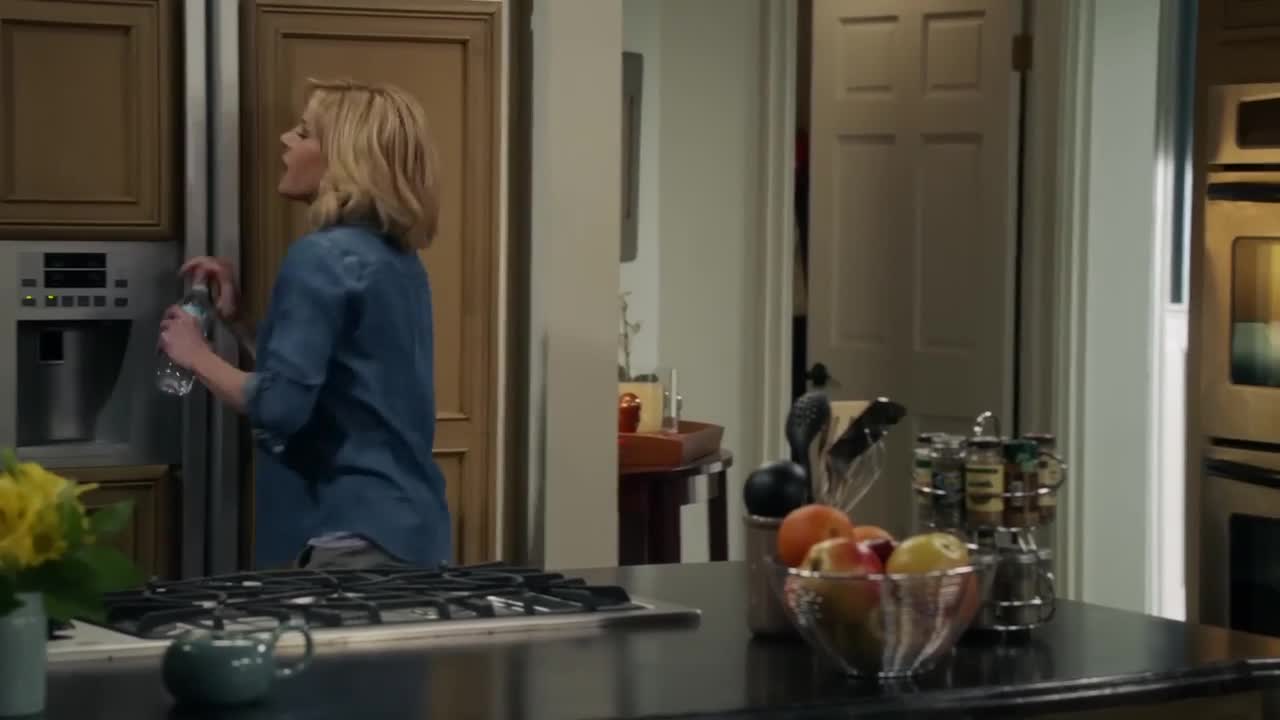
[The Chaotic Intersection of Intimacy and Uninvited Guests]-[Phil's Surprise - Modern Family 8x21]
📋 Summary
The Illusion of Privacy and the Pre-recorded Seduction
The narrative begins with a stark contrast between expectation and reality. Phil Dunphy attempts to curate a romantic atmosphere for his wife, Claire, through what he calls a "prerecorded seduction." By anticipating her questions and setting a mood of exclusivity—claiming, "how often do we get the house completely to ourselves?"—Phil seeks to establish a private sanctuary. However, this attempt at intimacy is immediately undermined by the chaotic nature of his household. The phrase "welcome to your prerecorded seduction" highlights the artificiality of the moment, which serves as a thematic precursor to the inevitable disruption that follows.
The Erosion of Personal Space
The couple’s attempt at intimacy is shattered by a series of external intrusions that reflect the lack of boundaries within their home. The transition from the romantic setup to the sudden appearance of "a hundred nerds crying in every different asian language" illustrates the chaotic reality of their environment, where the academic pressure of "finals" creates a backdrop of constant noise and stress. The house, which was meant to be a private retreat, is transformed into a public space, further complicated by an "epic senior prank" involving chickens. This sequence emphasizes the theme that in the Dunphy household, personal desires are frequently held hostage by external demands and juvenile chaos.
The Unwelcome Return of the Past
The climax of the chaos arrives with the unexpected visit of Dylan, a figure from the past who represents a disruption of the family's current equilibrium. His arrival with his new wife, Dr. Elaine Kolchuk, and his step-children, Betty, Janice, and Douglas, serves as an intrusive reminder of previous chapters that the family has moved past. The dialogue, specifically the awkward introduction of his wife as "Dr. Elaine Kolchuk" and the prompt "your son," underscores the surreal nature of the encounter. Dylan’s presence is not merely a social call; it is an interruption that forces Phil and Claire to confront the remnants of their former life, now repackaged in a bizarre, new configuration.
The Physical Manifestation of Chaos
As the scene descends into total pandemonium, the physical destruction of the home serves as a metaphor for the collapse of Phil’s plans. The incident where Dylan manages to break the "banister" while attempting to retrieve his belongings is a literal breaking point. This is exacerbated by the sudden appearance of unexpected "treats" and the frantic, uncoordinated efforts of the household members to manage the situation. The repetition of "No!" and the desperate command to "Everybody go home!" underscores the complete loss of control. The "yellow's the hardest side" comment regarding a Rubik's cube during this moment of crisis serves as a final, absurd note, highlighting the disconnect between the mundane objects left behind and the overwhelming chaos of the moment. Ultimately, the narrative illustrates that even the most meticulously planned romantic gestures are futile in a household defined by perpetual disruption and the persistent, uninvited ghosts of the past.

Deep Learning with ListenLeap


