
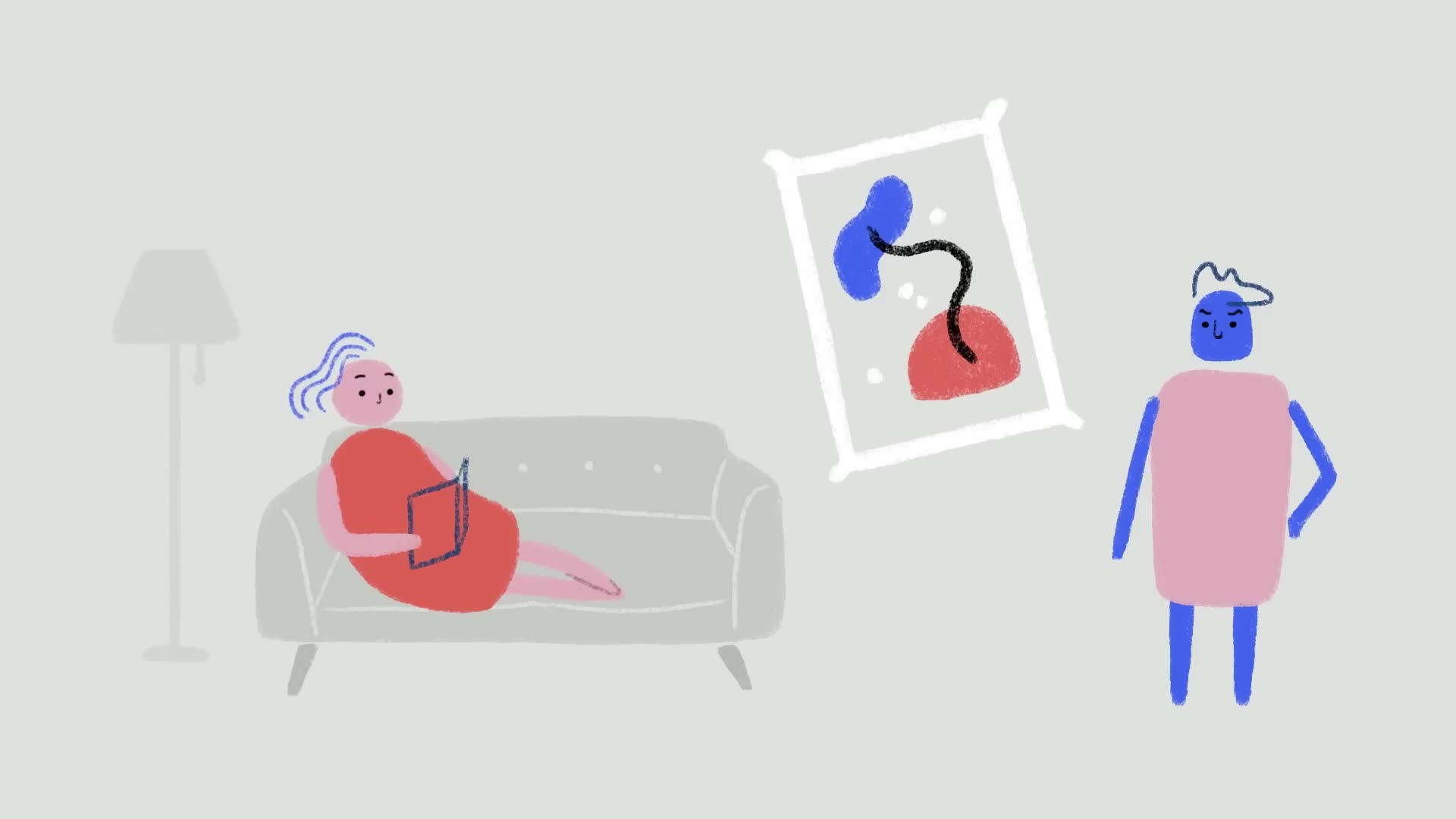
[The Art of Selective Loving: Recognizing Who to Avoid]-[People not to fall in love with: a checklist]
📋 Summary
The Art of Selective Loving: Recognizing Who to Avoid
In the pursuit of meaningful connection, we are often taught to focus on the virtues we seek in a partner. However, there is a profound, perhaps counterintuitive wisdom in acknowledging that those who excel at love are defined, first and foremost, by their discernment in knowing who not to fall in love with. While these individuals may possess a wide sympathy for humanity, they exercise a rigorous, determined boundary when it comes to long-term commitment. This process of elimination is not born of cynicism, but of a deep-seated respect for the sanctity of one's own life and emotional well-being.
The Architecture of Difficult Personalities
The podcast highlights a specific taxonomy of traits that act as red flags. These are not merely quirks; they are patterns of behavior that fundamentally undermine the possibility of a healthy, reciprocal relationship.
Central to this list are individuals who possess a "heightened belief in their infallibility" and those who "have no sense of how difficult they are to live with." Such partners often engage in defensive maneuvers, such as deflecting criticism by suggesting "it is not as though you are perfect either" or labeling any feedback as "rude or offensive." This effectively shuts down communication, turning the relationship into a battlefield rather than a partnership.
Furthermore, there is the insidious cycle of manipulation. Some partners "deliberately drive you to the edge of frustration" only to gaslight you by asking why you are "getting crossed so suddenly." This is compounded by those who offer "sentimental apologies" after committing acts that cause pain, only to repeat the behavior days later. This cycle—where they "smile and say I get it completely" while failing to change—is a hallmark of emotional immaturity.
The Roots of Relational Sabotage
The text delves deeper into the psychological underpinnings of these difficult characters. Many of these individuals are trapped by their own histories. They may "harbour a background grudge against your gender" or remain "furious with a parent" without ever realizing the root of their anger. There are those who are "inwardly so committed to distrust, isolation and self-hatred" that they are fundamentally incapable of sustaining a healthy bond, despite their desperate claims to the contrary.
Ultimately, these individuals often suffer from a shallow understanding of affection. They "principally associate love with the pleasant feelings they register when you are nice to them," failing to view love as a "substantial gift you choose to bestow every day." They treat your presence as a given rather than a choice, ignoring the reality that "your time is very, very precious."
The Illusion of Charm
It is crucial to recognize that the people described are often "some of the most charming, beautiful, vivacious, seductive characters on the planet." Their magnetism is precisely what makes them dangerous. If one is not careful, it can take years to realize that they "systematically shredded your confidence in your judgment" to protect their own fragile ego. They utilize the word "love" without understanding that it should entail mutual growth and support, rather than a platform for their unresolved conflicts.
The Path to Fulfillment
Why are some people better at avoiding these traps? The podcast argues that it is not necessarily a matter of being "cleverer." Rather, it is often a matter of early conditioning. Those who were "looked after early on by people who were tender and sweet" naturally associate relationships with "fulfilment rather than frustration." They have had the good fortune of internalizing a model of love that is safe and nourishing, and therefore, they have "no interest in suffering."
Through experience, these individuals have learned the most vital lesson of human connection: the ultimate goal of a relationship is to be "mutually delighted by another person." As the narrative concludes, life is far too fleeting to spend it in a state of chronic disappointment. By learning to say no to those who refuse to do the "necessary work" or who are "far too in pain to know how to want the best for you," we preserve our capacity for the genuine, mutual delight that makes life worth living.
Deep Learning with ListenLeap


