
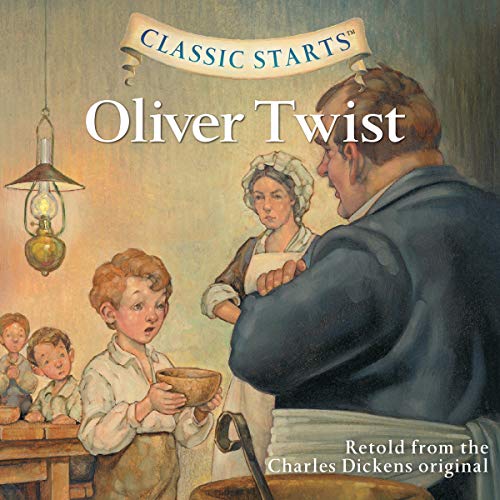
[Oliver Twist: A New Beginning at the Undertaker's]-[Oliver Twist - Part 05]
📋 Summary
Oliver Twist: A New Beginning at the Undertaker's
Arrival at the Sowerberry Residence
The narrative begins with Oliver's arrival at the home of Mr. Sowerberry, the undertaker. Mr. Sowerberry, having brought the "workhouse boy" home to assist in the shop, is met with immediate hostility from his wife. Mrs. Sowerberry, described as a "small, thin woman who looked like she never smiled," views Oliver not as a child in need, but as an economic burden. She grumbles that "these workhouse boys always cost more than they're worth," highlighting the immediate prejudice Oliver faces due to his impoverished background.
The Cruelty of Scraps
Oliver’s introduction to his new living conditions is marked by degradation. Upon being taken to the cellar, he is treated with disdain. Mrs. Sowerberry instructs the servant, Charlotte, to "give him whatever scraps you have," explicitly suggesting food that was "saving for the dog." Despite the humiliating nature of the meal, Oliver’s reaction is one of desperate hunger. He eats with such intensity—pulling meat from the bone and sucking out the flavor—that the women watch him with "horror." This scene underscores Oliver’s chronic deprivation at the workhouse, where even a meal intended for a pet is treated as a feast.
Sleeping Among the Coffins
The lack of empathy from the Sowerberrys continues as Oliver is shown to his sleeping quarters. Mrs. Sowerberry callously asks, "You don't mind sleeping among the coffins, do you?" without waiting for an answer, noting, "There's no place else for you to go." Oliver finds himself in a room filled with coffins, both displayed on platforms and leaning against walls. This environment serves as a grim metaphor for Oliver’s existence; he is a boy surrounded by the symbols of death, yet he remains determined to "work hard and not disappoint anyone," showcasing his inherent resilience and submissiveness.
Loneliness and the Memory of a Mother
The chapter concludes on a poignant note, shifting from the harsh external reality to Oliver’s internal emotional landscape. As he prepares for sleep, Oliver reflects on his mother. Despite knowing "nothing about her," he carries a deep, idealized sense of loss. He imagines that she would have been "tender and kind" and would have "loved him dearly." This internal monologue reveals that while Oliver is physically trapped in a cold, unforgiving world, his spirit is sustained by a longing for the affection he never received. He falls asleep with a "very heavy heart," marking the beginning of a life defined by both his new trade as an undertaker's assistant and the persistent, haunting absence of maternal love.

Deep Learning with ListenLeap


