
[The Bittersweet Transition: Embracing the End of Summer and the Junior Year Ahead]-[my last day of happiness :(]
📋 Summary
Navigating the End of Summer: A Junior Year Transition
The Final Summer Countdown
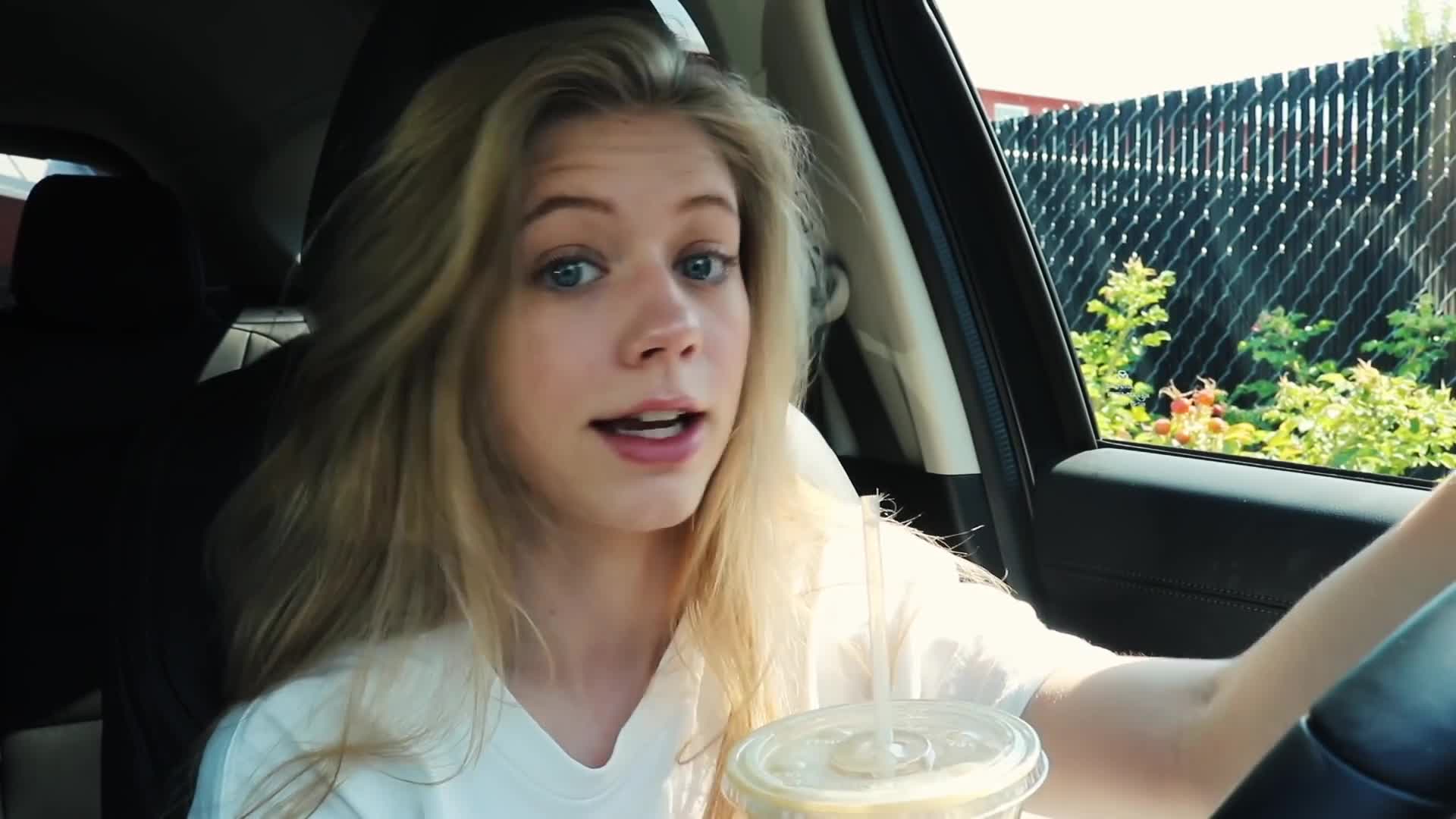
As the narrator faces the "last day of summer," there is a palpable sense of melancholy. With junior year of high school beginning the following morning at 7:45 am, the narrator chooses to document their final hours to stave off feelings of being "depressed." The act of filming serves as a coping mechanism, a way to "keep myself busy" and distract from the looming reality of the academic year. The narrator admits to "dreading" the necessary school supply shopping, viewing it as the final, concrete acceptance that the carefree days are officially over.
The Quest for Academic Sophistication
In a humorous pivot from tradition, the narrator decides to abandon their usual trip to Target for school supplies. Instead, they head to Staples, operating under the assumption that "all of the smart kids" shop there. The narrator humorously posits that by acquiring "good professional fancy supplies," they might trick their teachers into "taking me seriously" or at least assuming they are smart for once. This quest for a new image highlights the pressure students feel to reinvent themselves as they progress through high school.
The Struggle with Adulthood and Navigation
During the drive to the store, the narrator experiences the common anxieties of a young driver, feeling intimidated by other motorists passing them and struggling with the "awkward" social cues of merging. When Siri fails to provide clear directions, the narrator initially blames the technology, only to eventually admit, "I'm just really directionally challenged." This moment of self-reflection reveals a deeper reluctance to "admit the fact that I don't know how to drive," symbolizing the broader challenge of navigating the transition into older teenage years.
Reflection and the Search for Fulfillment
As the day concludes on a rooftop, the narrator shifts from the comedic tone of the shopping trip to a more poignant reflection. Despite not traveling to exotic locations like "Fiji or the Bahamas," the narrator describes their summer as a time where they "genuinely felt so content and fulfilled." This summer served as a vital contrast to the "rough" end of their sophomore year, a period where they "hated everything about existing."
Preparing for the Future
Ultimately, this video serves as a personal time capsule—a reminder of "how good life can be, even if it's bad." The narrator is consciously trying to cultivate the "right mindset" for junior year. By acknowledging that "summer 2018 is officially over," they are attempting to make peace with the cycle of life. The transition is bittersweet, yet the narrator finds strength in the memories of the people they were around and the experiences they had, concluding that this summer has proven "how great existing can actually be." As they prepare for the uncertainty of the year ahead, the narrator embraces the end of the season with a mix of resignation and hope.
Deep Learning with ListenLeap


