
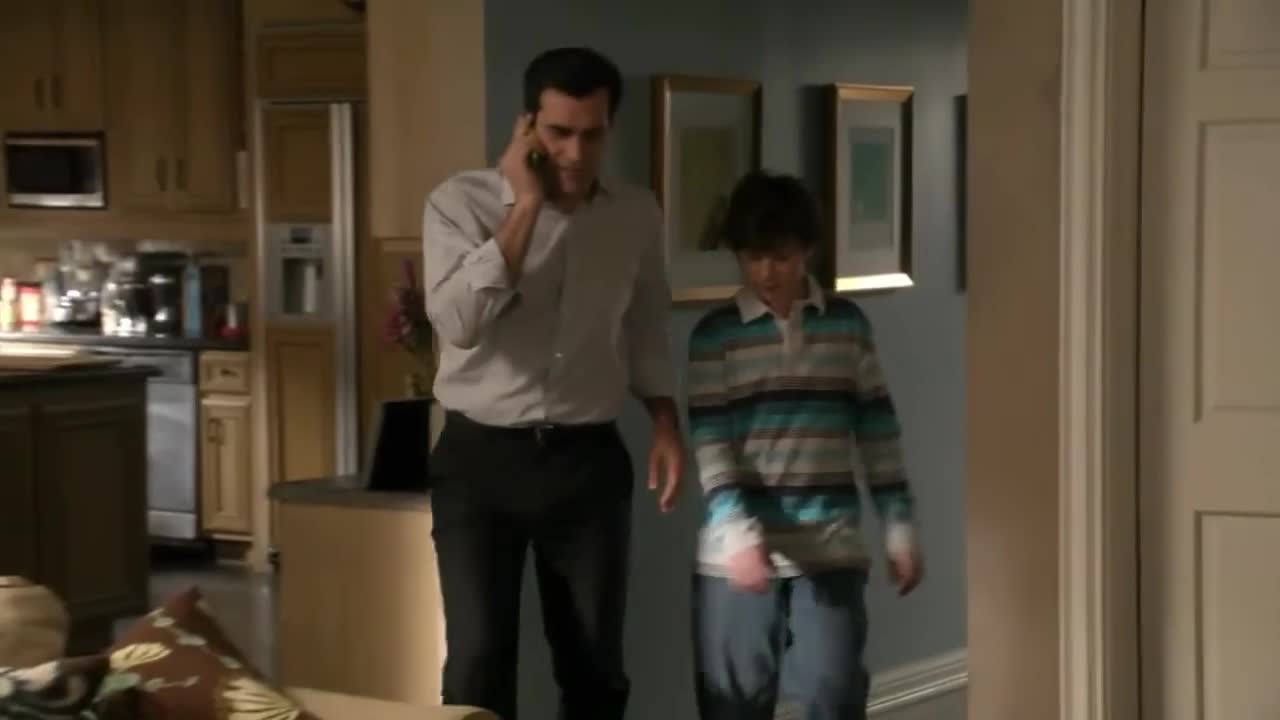
[The Art of the Over-Prepared Sale: Analyzing the Zach Barbie Real Estate Encounter]-[Modern Family Flip Flop]
📋 Summary
The Art of the Over-Prepared Sale: Analyzing the Zach Barbie Real Estate Encounter
In this transcript, we witness a high-stakes, slightly chaotic attempt by a real estate team to secure a buyer, Zach Barbie. The team’s approach is defined by obsessive research, calculated staging, and an eventual, awkward confrontation with the reality of their over-preparedness.
The Digital Footprint: Research as a Sales Strategy
The team begins by conducting an exhaustive deep dive into Zach Barbie’s digital life. By scanning his "Facebook, Twitter, Tumblr, Pinterest, and Instagram," they build a comprehensive profile of the prospective buyer. This research reveals specific personal markers: he is an "MIT" graduate, a fan of the "Chicago Blackhawks," enjoys "kickboxing," loves the "movie Die Hard," and is "crazy about his dog Otis."
This level of surveillance is framed as a necessary tool for the job. As one team member notes, "You get to Barbie through Otis," highlighting their strategy of leveraging personal interests to create an emotional connection with the property.
Staging the 'Dream House'
With only two hours to prepare, the team transforms the listing into "Zach Barbie's dream house." Their strategy is to mirror his personality within the living space. They rely on subtle—and not-so-subtle—cues to build rapport. When Zach arrives, the team attempts to manufacture a series of "weird coincidences" to make the house feel predestined for him:
- Culinary Appeals: They order "Indian food" because they know he loves it.
- Common Interests: Phil Dunphy aggressively leans into Zach’s hobbies, mentioning his love for the "Hawks" and his supposed passion for "kickboxing" and "meditation."
- The 'Otis' Slip-up: The team’s inability to keep their research boundaries intact leads to a moment of panic when they accidentally mention his dog's name, "Otis," and the "doggy door" they installed specifically for him.
The Breakdown of the Charade
While the team believes they are creating a bespoke experience, the strategy quickly backfires. The intensity of the personalization moves from "perfect" to "freaking me out." Zach recognizes that the level of detail—from his birthday to his specific interests—is "totally weird."
Despite the team's admission that they "poured our hearts into this house" to show him what life could be like, the encounter highlights the thin line between attentive service and professional overreach. The interaction concludes with the realization that their attempts to be "in the now" and cater to his every quirk were, in fact, transparently performative.
Conclusion
The transcript serves as a humorous case study on the pitfalls of excessive preparation. By attempting to curate every aspect of the buyer's experience, the real estate agents inadvertently alienate their client, proving that sometimes, the most effective sales tactic is simply letting the house speak for itself rather than stalking the buyer’s social media feed.

Deep Learning with ListenLeap


