
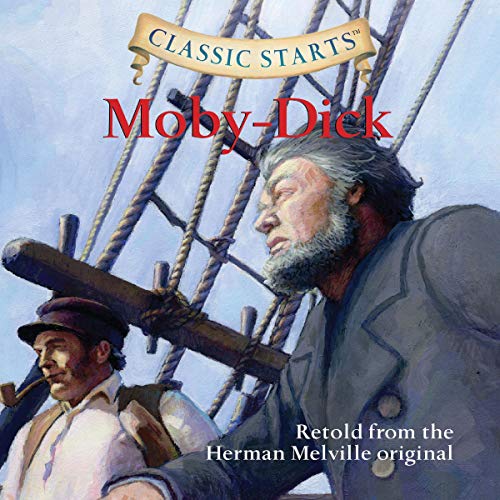
[The Obsession of the Pequod: Ahab’s Calculated Pursuit of Moby Dick]-[Moby-Dick - Part 10]
📋 Summary
The Atmosphere of Anticipation and Dread
Following Captain Ahab’s dramatic announcement, the crew of the Pequod became consumed by the prospect of the hunt. The narrative captures a complex emotional landscape aboard the ship: while many sailors were "excited to hunt for the white whale," a palpable sense of nervousness lingered beneath the surface. Despite the gravity of the mission, dissent was rare. The text notes that "no one wanted to say anything against Captain Ahab," with Starbuck standing as the solitary, albeit silenced, voice of disagreement. For the narrator, however, the captain’s fervor was contagious. He describes being "fully with the captain in his quest," noting that Ahab’s "need for revenge" transformed the hunt into a personal mission, turning the narrator into a willing participant in a burgeoning legend.
The Myth and Reality of the White Whale
Before the Pequod ever set sail in earnest, Moby Dick had already achieved a status of near-mythological proportions. The whale was "well known to whalers," yet shrouded in the ambiguity of "tall tales." The narrator acknowledges the difficulty of distinguishing between "truth and rumor," as reports of the whale appeared globally, often simultaneously. Moby Dick was characterized by his extraordinary "size and his anger," possessing the terrifying capability to "smash ships and send sailors to watery graves." He was known for his destructive power, often seen "lashing harpooning boats with his tail, breaking them into splinters." This reputation did not deter the crew; rather, it fueled a collective desire to be "a part of the legend."
Ahab’s Methodical Obsession
Central to the narrative is the portrayal of Ahab not merely as a madman, but as a calculated strategist. His cabin became a sanctuary of obsession, where he spent his nights "bent over his table, examining his maps" under the rhythmic swinging of an oil lamp. Ahab’s approach was rooted in deep knowledge of maritime patterns. He understood the "tides," the "yearly path of the whales," and the migration of the whales' food sources. He treated the search with scientific rigor, operating under the belief that, "much like humans, whales are creatures of habit" and therefore "stay on the same roots."
The Thin Line Between Purpose and Insanity
Despite Ahab’s meticulous planning, the narrator begins to harbor deep concerns regarding the captain’s mental state. Ahab’s dedication was absolute; there was "never a moment when he did not think about the white whale," and he spent "every waking hour plotting the course." This singular, all-consuming focus leads the narrator to contemplate the psychological toll of such an undertaking. He begins to question whether the immense burden of "worry and concern" would ultimately "drive our captain insane." The summary of the chapter leaves the reader with a haunting image of a man whose navigational charts and maps are not just tools for the hunt, but symbols of an obsession that threatens to transcend the boundaries of rational leadership, turning a professional voyage into a descent into madness.

Deep Learning with ListenLeap


