
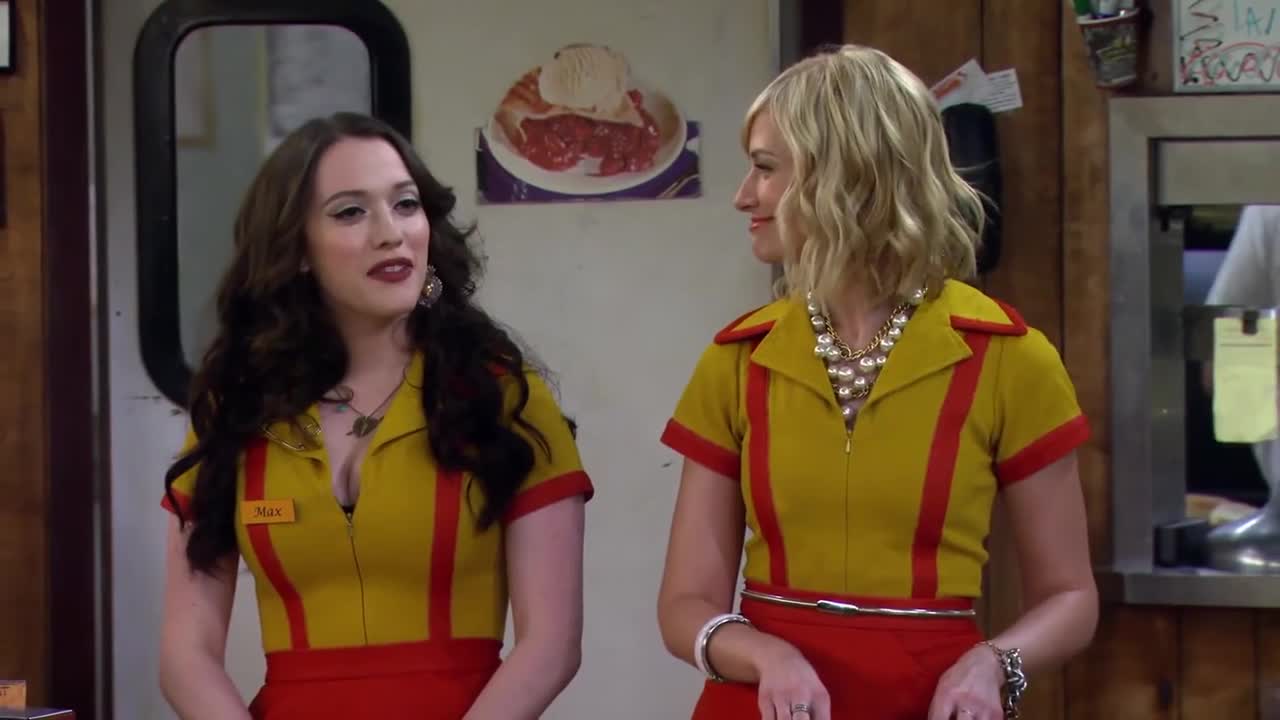
[The Holiday Hustle: Balancing Artistic Integrity and Commercial Chaos]-[Max and Caroline Force Han to Make T-Shirts | 2 Broke Girls]
📋 Summary
The Holiday Hustle: Balancing Artistic Integrity and Commercial Chaos
The Commercial Surge and the Gift-Giving Dilemma
The holiday season at the diner brings a surge in demand for merchandise, specifically the "shirts" that are "really selling." The commercial potential of these items is highlighted by a customer who describes them as the "perfect gift for a girl you're not in love with, just strictly banging." As the diner staff navigates the pressure of the holidays, the expectation of gift-giving creates tension. While there is a collective hope for thoughtful presents, the reality is stark: "People just got the nothing big they're expecting."
Han’s Artistic Gesture vs. Practical Reality
In a moment of genuine, albeit eccentric, sentimentality, Han presents his employees with "one-of-a-kind silk screen" art pieces created "by hand." He insists, "I figure that's how you always have to do it." Each piece is personalized with symbols representing the staff—a "saxophone," a "cupcake," and even a "chainsaw." While the staff appreciates the sentiment, the financial reality of their situation remains pressing. The contrast between Han’s artistic, slow-paced production and the need for high-volume sales creates a central conflict. As Max notes, "Rodney is selling our shirts for $300, but we only get $25 of that," making the dream of buying extravagant gifts like a "country house with the lake" seem impossible.
The Struggle of Production and Supply Chain Frustrations
Max and the team face significant hurdles in meeting their production quotas. The frustration of dealing with third-party suppliers is palpable, as Max endures endless hold music, specifically "Grandma got run over by a reindeer," while trying to place a "rush T-shirt order." The broken promises of "next day delivery" lead to a realization that they must take control of the process themselves. This pivot to self-production introduces the challenge of labor and skill. Max and her partner attempt to leverage Han’s apparent talent for silk screening, leading to a humorous clash of work ethics.
Artistic Integrity vs. Efficiency
As they attempt to mass-produce the shirts, the tension between quality and quantity reaches a boiling point. Han, despite his earlier success with "beautiful cards," proves to be agonizingly slow, producing only "one shirt in two hours." When challenged on his pace, Han defends his process as a "masterpiece," forcing the team to confront a philosophical question: "Do you want one Citizen Kane or 30 Here Comes the Booms?" This debate encapsulates the recurring theme of the podcast episode—the struggle to maintain artistic standards while operating within a demanding, fast-paced commercial environment. The episode concludes with the staff feeling the weight of the "holiday hustle," realizing that in the diner business, "water is for closers," and in this case, "closers" are defined as "people who actually make clothes."
Deep Learning with ListenLeap


