
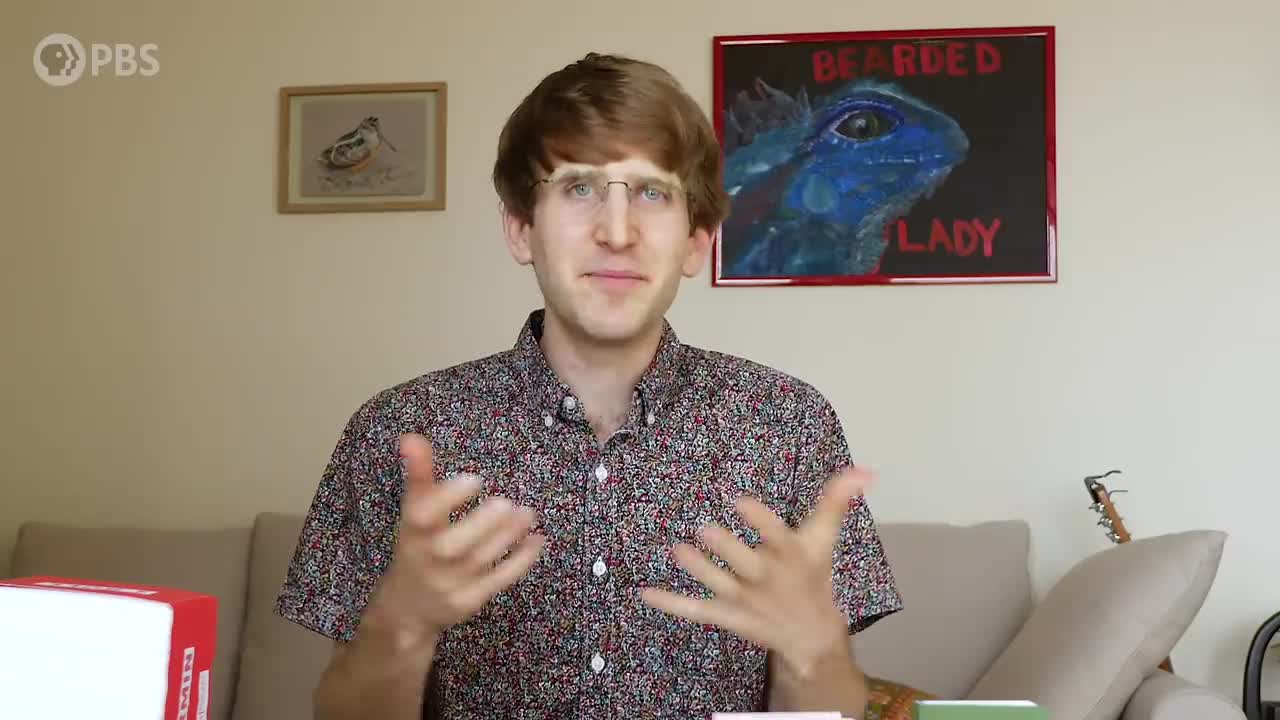
[Redefining the Book: Ben Denzer’s Philosophy of Materiality and Form]-[Make a Book with Meat (or other atypical materials) ft. Ben Denzer]
📋 Summary
Redefining the Book: Ben Denzer’s Philosophy of Materiality and Form
In this exploration of artistic expression, designer and artist Ben Denzer challenges the conventional understanding of what constitutes a "book." By moving beyond traditional paper and ink, Denzer invites creators to treat the book as an object, a "collection of things bound together" that can be constructed from virtually any material found in a neighborhood or a grocery store.
Demystifying the Craft
Denzer’s journey began at the Center for Book Arts in New York, where he discovered that the intimidation surrounding bookbinding is largely unfounded. He describes the process as "just three rectangles glued onto a piece of flexible material," a realization that effectively "demystifies the process." By understanding the basic mechanics, artists can shift their focus from technical constraints to conceptual exploration, viewing the book as a canvas for artistic intervention rather than a static vessel for text.
Catalog Press and the Ready-Made Aesthetic
Through his project, Catalog Press, Denzer explores the intersection of everyday objects and the book format. He plays with the concept of "ready-mades," turning mundane items into bound editions. His projects range from a book composed of 201 sorted currency bills to a collection of 77 scratch-off lottery tickets. By applying a cover to a packet of American cheese or a roll of toilet paper, Denzer forces the viewer to confront the "expectation" of what a book is. His goal is to "subvert those expectations" using humor, unique scales, and unconventional materials.
The Challenge of Materiality: The Meat Book
Perhaps the most extreme example of Denzer’s philosophy is his creation of a book made from "100% meat." Creating a book of "20 Slices of Meat" using mortadella presented significant structural hurdles. Denzer experimented with various threads and adhesives, eventually discovering that Gorilla Glue—which is designed to bond to skin—worked effectively on the protein structure of the meat. He even utilized the fat from the mortadella to "inlay the words" on the cover. This project exemplifies his belief that there is "no bad material for making a book," provided the artist is willing to invent a solution to the binding problem.
Techniques for the Aspiring Bookmaker
Denzer emphasizes that bookbinding is a "rabbit hole" of endless possibilities, but he outlines several fundamental techniques for those looking to begin:
- Perfect Binding: Stacking pages and gluing them along one edge.
- Stab Binding: Poking holes along the spine and threading them together.
- Folding: Creating structures like an accordion book.
- Signature Sewing: Folding sheets into signatures and binding them together.
Conclusion: Deviating from the Rectangle
Ultimately, Denzer encourages artists to look at their environment—from Post-it notes on a desk to leaves outside—and recognize the inherent "page-like" qualities of the world. The assignment is simple yet profound: "deviate from the expected form" of the standard rectangular book. By questioning the material and physical constraints of the medium, creators can transform the ordinary into art, proving that a book is not defined by its contents, but by the creative act of binding things together.
Deep Learning with ListenLeap


