
[The Trickster and the Divine Intervention: Wukong’s Final Showdown with the Magic Bells]-[086 Magic Bells]
📋 Summary
The Confrontation at the Cave
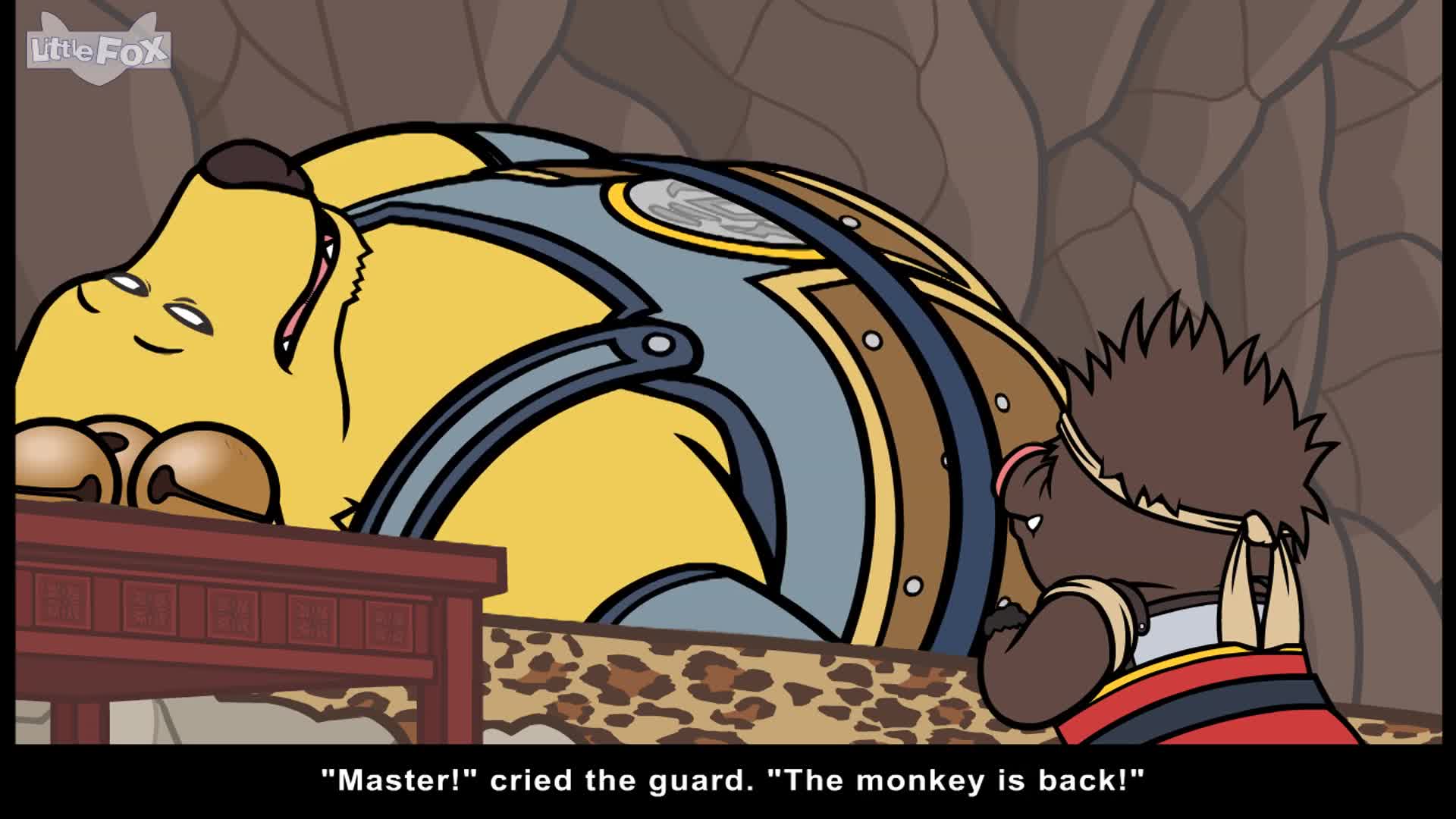
The narrative begins with a high-stakes confrontation as Sun Wukong arrives outside the demon’s lair, employing his signature tactic of shouting "all kinds of insults about the demon of power" to goad his adversary into a fight. The "demon of power," initially reluctant and annoyed by the interruption to his sleep, decides to rely on his most formidable weapon: the "fake bells." Confident in his ability to unleash "fire, smoke, and sand," he emerges from his bedroom ready to drive the monkey away once and for all.
The Deception of the Bells
What follows is a masterclass in psychological warfare. Wukong, ever the trickster, feigns surprise upon seeing the demon's bells, claiming, "I have bells just like those." This sparks a competitive curiosity in the demon, who is deeply skeptical that the monkey possesses an item of equal power. The demon’s hubris leads him to agree to a comparison, but when he attempts to activate his weapons, "nothing happened." The demon is left confused, muttering that the bells "worked fine yesterday," completely unaware that he has been outwitted. Wukong, struggling to contain his amusement, then shakes his own bells, unleashing the devastating "fire, smoke, and sand" directly upon the demon, effectively neutralizing the threat.
Divine Intervention and the Truth Revealed
Just as Wukong prepares to deliver a finishing blow with his "iron bar," the atmosphere shifts with the arrival of Guan Yin. The Bodhisattva intervenes, revealing the true nature of the antagonist: "He's my pet wolf" who had "escaped from heaven." With a wave of divine light, the demon is forced to "return to your true form," shedding his disguise to reveal a "huge wolf."
This segment highlights the recurring theme in Journey to the West where demonic threats are often wayward celestial beings. Guan Yin demands the return of the artifacts, and when Wukong attempts to play coy, hiding the bells behind his back and claiming, "I have no idea what you're..." regarding the items, the Bodhisattva resorts to the ultimate threat: "Or I'll recite the tight headband spell." Faced with the prospect of his signature magical restraint being activated, Wukong relents, "grinning sheepishly" as he hands over the spoils.
Restoration and Celebration
The story concludes with the restoration of order. The queen is "reunited" with the king, and the kingdom celebrates with a "royal banquet." The descriptions of the feast serve as a humorous juxtaposition to the earlier intensity, specifically focusing on Bajie’s gluttony. As servants bring trays of "rice, vegetables, mushrooms, noodles, tofu, dumplings," Bajie embodies his character's insatiable nature, telling a servant, "Just put food in front of me and I'll eat it." This celebration provides a lighthearted resolution to the tension of the battle, marking yet another successful mission for the pilgrims.

Deep Learning with ListenLeap


