
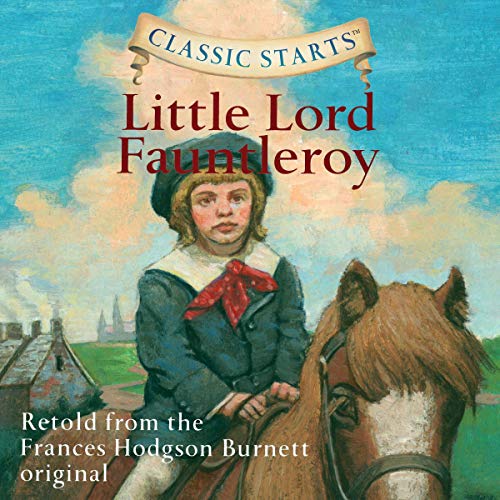
[The Exposure: Truth, Identity, and the Restoration of the Heir]-[Little Lord Fauntleroy - Part 15]
📋 Summary
The Exposure: Unmasking the Imposter and Restoring the Legacy
The Collapse of a Deceptive Narrative
The narrative of Chapter 14, titled "The Exposure," centers on the rapid disintegration of the fraudulent claim made by the woman posing as Lady Fauntleroy. The text emphasizes how "astonishing how quickly everything can change," moving from the precarious uncertainty of the boy's status to the definitive revelation of the truth. The woman’s inability to maintain a coherent story under the scrutiny of Mr. Havisham exposed her vulnerability. She "couldn't keep her story straight" regarding the vital details of her son’s birth and age, proving that her claims were built on fragile foundations.
The Confrontation: Evidence and Recognition
The turning point arrives with a letter from America, followed by a dramatic confrontation led by Mr. Havisham. Bringing the Earl of Dorincourt, a sharp-faced boy, and a tall young man named Ben, Mr. Havisham systematically dismantles the woman’s facade. The tension peaks when Ben, identified as the woman’s former partner, confirms their history: "I know her and she knows me." His reaction—turning his back on her as if he "hated the sight of her"—serves as a visceral rejection of her character. The woman’s subsequent "rage" and "fury" confirm her defeat, as the presence of the actual child, Tom, who shared a striking resemblance to Ben, rendered her deception impossible to maintain.
The Restoration of the True Heir
With the imposter’s downfall confirmed—marked by her fleeing to London—the focus shifts to the restoration of the rightful Lord Fauntleroy. The Earl of Dorincourt, shedding his previous hostility, visits Court Lodge to acknowledge Cedric’s true status. The Earl’s blunt admission, "Yes, he is," serves as the formal recognition of Cedric’s identity. The emotional core of the chapter is found in the reconciliation between the Earl and Mrs. Errol. The Earl’s request for them to "live with us at the castle" signals a profound transformation in his character. His acknowledgment that "we have always wanted you" underscores a shift from cold, aristocratic rigidity to the acceptance of familial bonds.
Conclusion: A New Beginning
The chapter concludes with a sense of harmony that contrasts sharply with the earlier chaos. Cedric’s joy at the prospect of living with his mother and the Earl, and the Earl’s desire to "make friends with his true heir's mother," signify the healing of a fractured legacy. The exposure of the lie was not merely a legal or social correction; it was the catalyst for the Earl to move past his prejudices and embrace the genuine affection of his family. The "ordinary boy" who was once a pawn in a game of deception has officially reclaimed his place, not through the machinations of others, but through the triumph of truth.
Deep Learning with ListenLeap


