
[The Transformation of the Earl: Cedric's Lessons in Courage, Kindness, and Connection]-[Little Lord Fauntleroy - Part 09]
📋 Summary
The Transformation of the Earl: Cedric's Lessons in Courage, Kindness, and Connection
The Courage to Learn
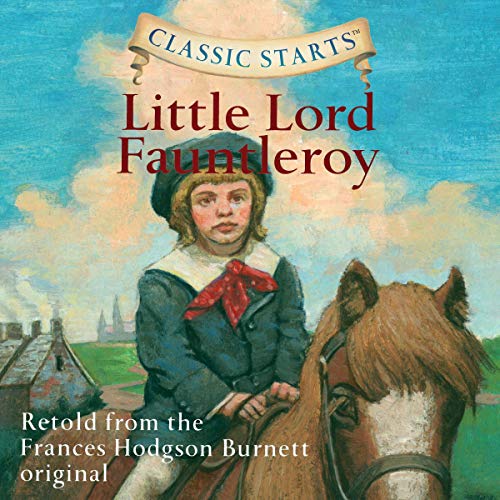
The narrative begins with a significant shift in the Earl of Dorincourt’s demeanor. As he spends more time with his grandson, Cedric, his characteristic "grim smile" begins to soften. This transformation is most evident during Cedric’s first riding lesson. Despite being a novice, Cedric approaches the "fine brown pony" with excitement rather than the fear the Earl expected. When Cedric boldly asks to "trot and canter," the Earl is visibly impressed by the boy’s spirit. Cedric’s determination is clear as he endures the physical toll of riding—noting that the pony "jolts a good deal" and that he is "out of breath." Even when his hat falls off, Cedric refuses to stop, showing a level of grit that earns the Earl’s genuine respect and admiration.
Acts of Noble Kindness
Cedric’s influence extends beyond the castle walls into the local community. His innate sense of empathy drives him to help those in need, such as when he insists on stopping at the village school to assist a boy with a "hurt leg." By using his pony to transport the boy home and subsequently requesting that his grandfather provide "a pair of crutches," Cedric demonstrates a natural inclination toward charity. The Earl’s reaction is particularly telling; rather than responding with his usual coldness, he is "amused" and eventually participates in delivering the aid himself. Cedric’s insistence that the gift is a gesture of the Earl’s "compliments" serves as a bridge, subtly encouraging the Earl to embody the generosity that Cedric assumes he already possesses.
The Mystery of the Unmet Mother
Despite the growing bond between the Earl and Cedric, a lingering puzzle remains: the distance between the Earl and "Dearest," Cedric’s mother. Cedric observes that the two never meet, even as the Earl provides extravagant gifts, such as a "large carriage with two horses," which he insists Cedric present as his own. Cedric’s perspective remains touchingly innocent; he views his grandfather as "good and noble and generous." This purity of heart creates a complex dynamic for his mother, who struggles with the moral implications of accepting gifts from a man she does not know, yet finds herself moved by her son’s inability to see anything but the best in his grandfather.
The Silent Language of Love
Cedric’s deep affection for his mother is further highlighted through his correspondence with Mr. Hobbs. In his letter, Cedric defends the Earl, assuring his friend that the old man is "not a tyrant." However, the emotional core of the chapter lies in Cedric’s confession to the Earl regarding his mother. When the Earl questions Cedric about missing her, the boy reveals a poignant ritual: every night, he looks out his window to see the light in his mother’s distant window. To Cedric, this light is a silent communication—a way of saying, "Good night. I'm thinking of you." This revelation highlights the profound emotional intelligence of the boy, who manages to maintain a constant, loving connection despite the physical barriers imposed by the Earl’s rigid social boundaries. Through these small, daily interactions, Cedric continues to thaw the Earl’s icy exterior, proving that kindness and transparency can bridge even the widest of emotional divides.

Deep Learning with ListenLeap


