
[The Culinary Quest: An Adult’s Absurdist Adventure into Halloween Tradition]-[Lily From Modern Family Goes Trick or Treating with The New Potato]
📋 Summary
The Culinary Quest: An Adult’s Absurdist Adventure into Halloween Tradition
Breaking Social Norms and the Pursuit of Candy
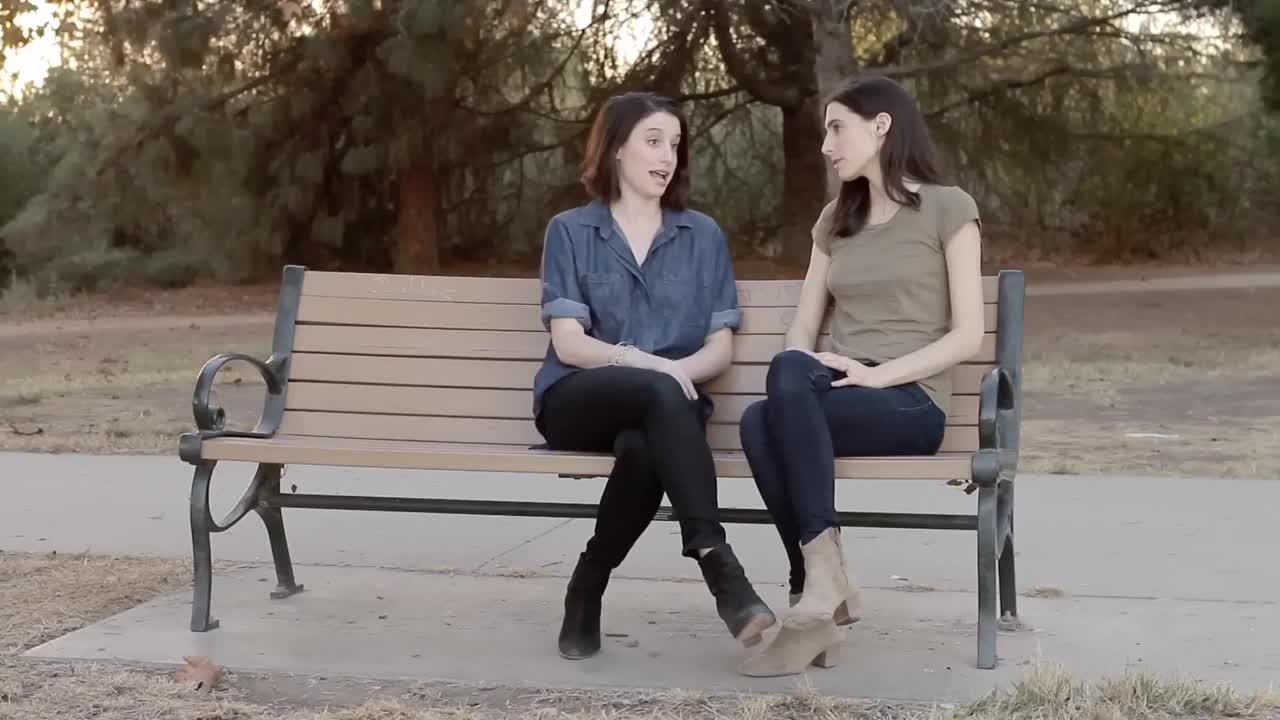
In this episode, the hosts embark on an unconventional journey to reclaim the joy of childhood traditions. The dialogue opens with a playful debate about whether an adult can justify the act of trick-or-treating. One host dismisses the notion that it is not the "social norm," arguing that there is "no reason" why age should preclude one from participating in the holiday festivities. Despite the self-awareness that their behavior might be perceived as "creepy," they resolve to "same-team it" and pursue this "culinary Halloween tradition" under the guise of professional research for their "online lifestyle magazine," The New Potato.
The Professionalization of Play
To mitigate the awkwardness of the situation, the hosts attempt to "make a game plan," treating their evening as a professional endeavor rather than a mere outing. Their costume choices—mustard and ketchup—are described as the "timeless route" and a "safe bet." However, the reality of the situation quickly descends into comedy. As they accompany a young girl named Aubrey, the hosts find themselves awkwardly navigating social interactions with strangers. When questioned by homeowners about their presence, they repeatedly insist they are not "bloggers" but representatives of an "online lifestyle magazine," a defense that highlights the absurdity of attempting to rationalize a whimsical activity through professional jargon.
Generational Clashes and Los Angeles Quirks
As the night progresses, the podcast captures the chaotic energy of the experience. The interaction with Aubrey reveals the disconnect between the adults’ expectations and the child’s reality. While the hosts are preoccupied with their "research," Aubrey and her peers are focused on immediate gratification, trading snacks like "chia pods" for "snack packs." The hosts' attempts to act as "chaperones" are met with blunt honesty from Aubrey, who clarifies to neighbors that she doesn't "know them" and that they "just showed up 20 minutes ago."
The Collision of Lifestyle Branding and Halloween Reality
The narrative takes a satirical turn when the hosts encounter the specific brand of L.A. hospitality. They move from collecting classic candies like "Kit Kats" and "Reese’s Peanut Butter Cups" to being offered "heavenly organic chocolate almonds" that are "gluten-free." This moment underscores the contrast between the traditional, sugary essence of Halloween and the hyper-conscious, health-oriented culture of Los Angeles.
Conclusion: Aesthetics Over Authenticity
The episode concludes on a note that perfectly encapsulates the hosts' priorities. Rather than simply enjoying the candy, they shift their focus to taking an "Instagram" photo of their haul. The conversation then seamlessly drifts into a critique of color theory and photography, with one host lamenting that "there’s nothing worse than a bad tone" and that when colors are "too bright," it "just ruins the shoot." This final transition highlights the underlying theme of the episode: the struggle to balance genuine, human experiences with the polished, curated aesthetic required for their digital platform. Their "culinary tradition" ultimately serves as a backdrop for a broader commentary on the modern obsession with branding, where even a night of trick-or-treating is filtered through the lens of "sleek" design and professional validation.
Deep Learning with ListenLeap


