
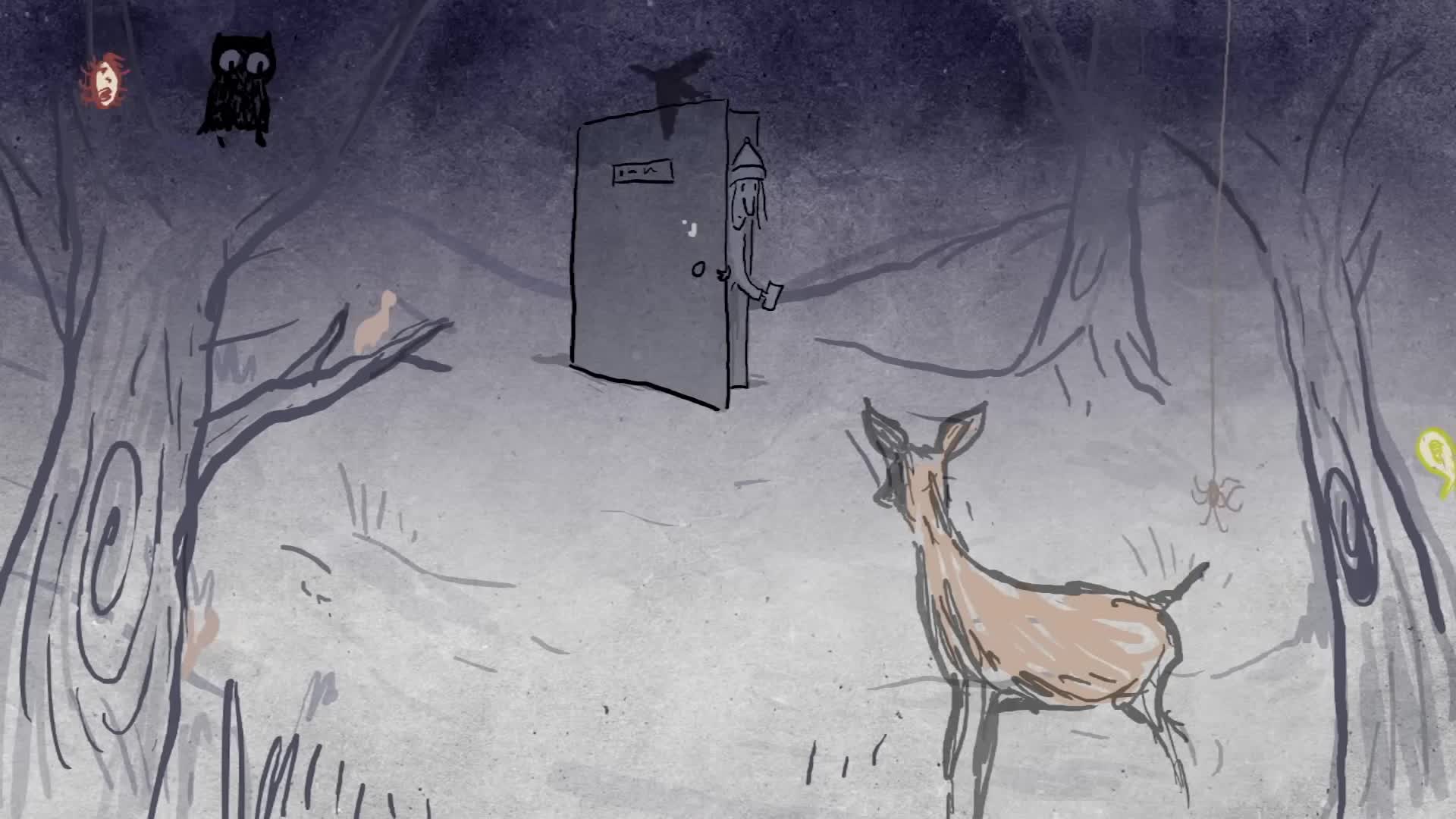
[Understanding Seasonal Affective Disorder: The Science of Light and Circadian Rhythms]-[How does light therapy help treat seasonal depression? - Kelly Rohan]
📋 Summary
The Science of Seasonal Affective Disorder: Decoding the Winter Blues
Every year, as the seasons shift, a significant portion of the population faces a peculiar medical reality: a prescription not for medication, but for light. This phenomenon, known as Seasonal Affective Disorder (SAD), affects approximately 1% of the population, manifesting as a mood disorder characterized by recurrent episodes of depression during specific times of the year, most notably the fall and winter months.
The Biological Roots of Seasonal Change
To understand SAD, one must look at the body’s internal mechanisms. Just as groundhogs retreat for hibernation or weasels change their coat colors in response to shorter days, humans are deeply influenced by their environment. Central to this is the circadian rhythm, our internal biological clock.
When sunlight hits the retina, signals travel to the suprachiasmatic nucleus, the brain's master clock. This region regulates essential functions like alertness, body temperature, and hormone production. A primary player in this system is melatonin, the hormone that triggers sleep. Under normal conditions, melatonin release is consistent, but researchers have identified two primary theories regarding why this system falters in individuals with SAD.
The Melatonin and Phase-Shift Hypotheses
The first theory suggests that for some people, shorter winter days cause their biological clocks to signal a prolonged release of melatonin, effectively tricking the body into a state similar to that of hibernating animals. A second hypothesis focuses on a phase advance or a phase delay in the timing of circadian rhythms. A phase delay, for instance, explains the common struggle for SAD patients to wake up in the morning, as their hormones are signaling that it is still nighttime.
Beyond Biology: Complexity and Contributing Factors
While circadian disruptions provide a framework, they do not tell the whole story. Researchers acknowledge that SAD symptoms—which include pervasive feelings of sadness, loss of interest, unshakable fatigue, and suicidal thoughts—often mirror non-seasonal depression.
Several other factors contribute to the severity of the condition:
- Rumination: Individuals with SAD are more prone to repetitive negative thinking.
- Cultural Perception: Experts suggest that living in cultures that actively embrace the winter season may provide a protective effect against the onset of depressive episodes.
- Genetic Predisposition: While there is no single "SAD gene," the disorder often runs in families, suggesting a polygenic risk factor.
- Summer SAD: A subset of the population experiences the inverse, suffering from summertime depression, which may be triggered by excess light, heat, or humidity.
Therapeutic Interventions and Light Therapy
The treatment landscape for SAD is multifaceted. Standard approaches for non-seasonal depression, such as antidepressants and cognitive behavioral talk therapy, have proven effective in managing symptoms and preventing future episodes.
However, the most distinct treatment is light therapy. This involves using a specialized device that emits full-spectrum light while filtering out harmful UV rays. By dedicating 30 minutes or more each morning to this practice, patients aim to shift their circadian rhythms back to a "sunnier, summer-like position." Because finding the correct dosage and timing is crucial to avoiding side effects, experts emphasize that light therapy should always be initiated under the guidance of a healthcare professional.
In conclusion, while the precise mechanisms of why certain individuals are more susceptible to seasonal changes remain a mystery, the integration of biological insight and clinical treatment offers a path forward for those navigating the darkest months of the year.
Deep Learning with ListenLeap


