
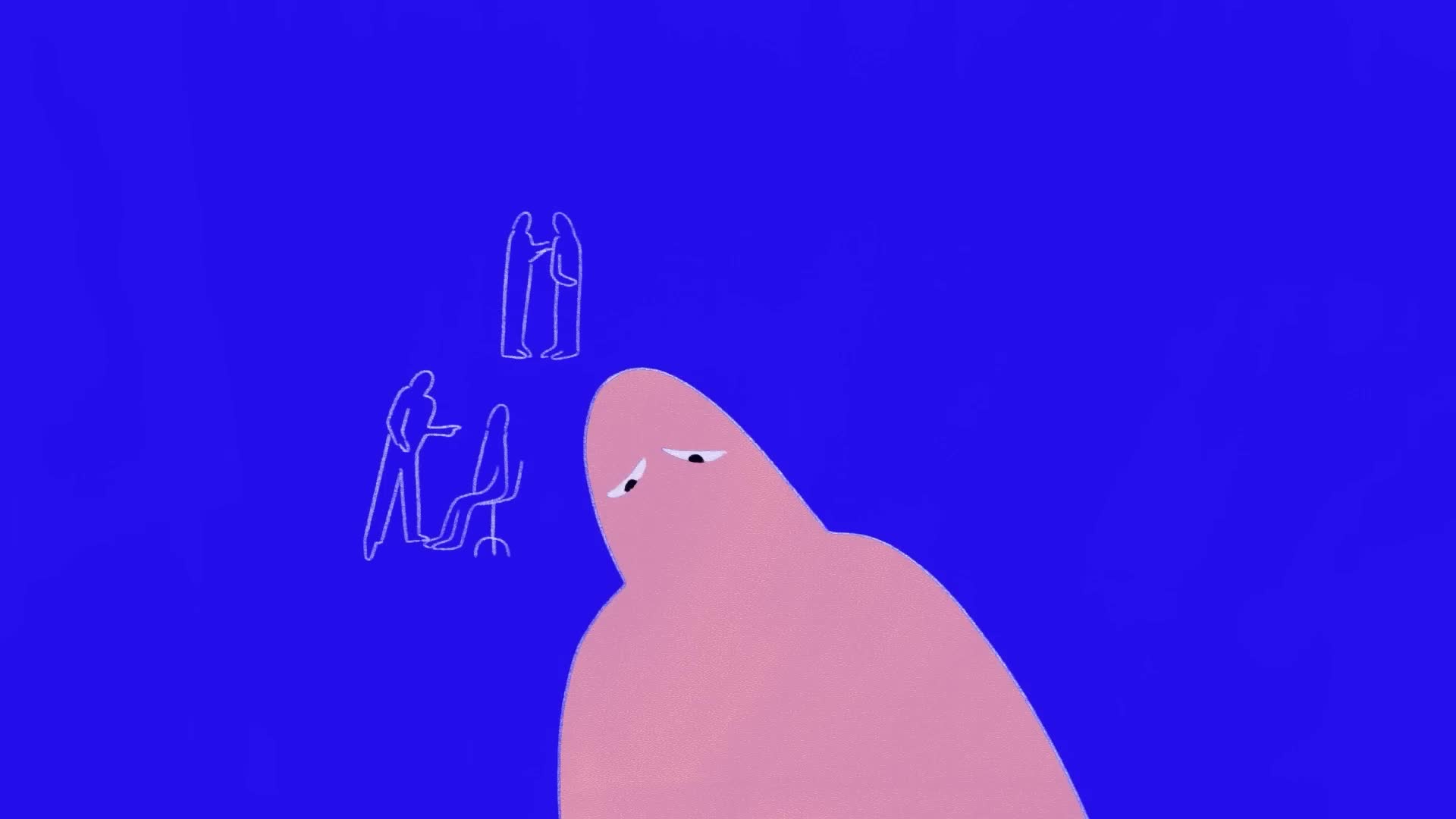
[Reframing the Pursuit of Happiness: Finding Meaning in Complexity]-[Life is Not About Being Happy(1)]
📋 Summary
The Paradox of the Modern Pursuit of Happiness
In our contemporary culture, we operate under the pervasive assumption that the "ultimate aim" of existence is to lead a "happy life." However, as the podcast suggests, when we examine our internal states in the "silence of our minds," many of us must confront the reality that we are "not really doing very well." This failure to achieve constant contentment is not merely a situational problem; it is a profound existential crisis.
The Secondary Layer of Misery
Our unhappiness is often compounded by what the speaker calls a "secondary layer" of suffering. This layer is born from the belief that our current distress is a "fundamental violation of life's true purpose." We are not just suffering from the "power struggle at the office" or "scratchy or distant" relationships; we are "crushed that we have failed at the single most important goal open to all sane and ambitious humans." This creates a loop of misery: we are unhappy, and then we are miserable because we believe we have no right to be unhappy.
Reframing Our Burdens as Markers of an Interesting Life
Instead of viewing our "agitations" and "anxieties" as evidence of "stupidity or ill-adjustment," the speaker suggests a radical reorientation. We should "alter what these burdens have to mean to us." By reframing our struggles, we can see them as indicators that we are "destined to have interesting lives rather than calm ones."
This perspective shifts the goalposts from "settled certainty and equilibrium" to "exploration, psychological understanding and striving." For those who are "frequently reach the end of a day as exhausted and shaken," this reframing allows for a "rueful kind of pride." We are part of an "estimable cohort" whose lives are defined by depth rather than simple, superficial contentment.
Challenging the Yardstick of Success
We must stop using "day-to-day troubles" as the "yardstick by which we judge the value of our lives." The podcast argues that:
- Acceptance of Human Nature: We are constitutionally inclined toward "distemper" and will never be able to "accept things as they are" perfectly.
- Growth Through Conflict: Experiences like a "relationship that has failed once more" or business setbacks are not "violations of a pristine contract." Instead, they are the "logical and immovable consequences of our stubborn and subtle natures interacting with the complexities of existence."
- Learning Through Struggle: Even when we fail, we have "stretched ourselves" and "developed courage."
The Vantage Point of the Deathbed
Ultimately, the speaker invites us to contemplate our lives from the "vantage point of our deathbeds." When we look back at a "roller coaster of emotions and events," we may realize that while our lives were not "calm" or, for the most part, "happy," they were "truly and properly interesting."
By adopting this long-term view, we can replace the unattainable demand for constant happiness with a higher standard: the richness of our experience. This allows us to meet our end with "satisfaction and self-acceptance," recognizing that the "complicated situations" we endured were not failures, but the very substance of a life well-lived.
Deep Learning with ListenLeap


