
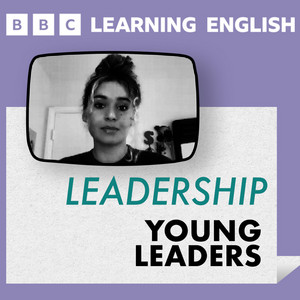
[The Essence of Modern Leadership: Insights from Sofia Keani]-[Leadership: Young leaders]
📋 Summary
Redefining Leadership: Insights from Sofia Keani
In the modern professional landscape, the traditional top-down management style is increasingly being challenged by collaborative approaches. This summary explores the leadership philosophy of Sofia Keani, the founder of Climate Cardinals, an organization dedicated to disseminating climate information in over 100 languages. Through her experiences, we uncover how effective leaders navigate team dynamics, overcome structural hurdles, and prioritize sustainable growth.
The Philosophy of 'Leaning On' Your Team
One of the most profound takeaways from Keani’s approach is her unique perspective on the phrase "leaning on" her team. While this idiom can sometimes imply putting pressure on others to force compliance, Keani reclaims it to signify a supportive, symbiotic relationship. She defines leadership as "giving people broad overarching advice but then leaning on them to get things done."
By fostering an environment where team members feel supported rather than micromanaged, Keani emphasizes that leaders do not have to carry the burden of execution alone. This strategy allows the leader to provide vision while empowering the team to implement the tactical details, thereby creating a more productive and balanced workflow.
Collaborative Development vs. Delegation
Keani makes a crucial distinction between simple delegation and true collaborative development. Many leaders fall into the trap of viewing delegation as merely "giving some tasks to other people." However, Keani argues that the most effective leaders are those who "work with their team to get things done" and actively listen to feedback.
This collaborative mindset serves a dual purpose. Firstly, it enhances productivity by leveraging the collective intelligence of the group. Secondly, it is a vital strategy to "prevent from personal burnout." Burnout—defined as being "completely tired out by work" due to high stress or excessive workloads—is a common pitfall for leaders. By integrating team input and sharing the load, Keani suggests that leaders can sustain their energy and effectiveness over the long term.
Eliminating Bureaucracy for Greater Agility
Another significant barrier to effective leadership identified by Keani is the reliance on a "bureaucratic process." Bureaucracy, characterized by excessive steps, heavy paperwork, and multiple layers of approval, can stifle innovation and slow down progress. Keani warns against the rigid mindset of "I’m in charge of you, you’re in charge of them," which often results in stagnation.
Instead, she advocates for reducing unnecessary administrative layers. By streamlining processes, leaders can foster a more agile environment where tasks are completed more efficiently, allowing the team to focus on the core mission rather than navigating red tape.
Inspiration and the Future of Leadership
Keani draws inspiration from figures like Mary Robinson, who is noted for bringing "climate justice to the forefront of discussions" and championing "intergenerational dialogue." This highlights the importance of having a vision that extends beyond the organization itself.
Ultimately, Keani notes that the core challenge of leadership lies in "striking a balance between giving people guidance and telling them what to do." This requires an "open and honest dialogue" with colleagues. By moving away from rigid hierarchy and toward a culture of mutual support and collaborative problem-solving, modern leaders can create lasting impact while maintaining their own well-being.

Deep Learning with ListenLeap


