
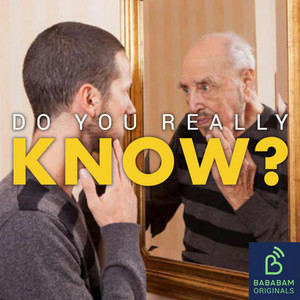
[The Biological Mirror: Can Your Facial Appearance Predict Your Long-term Health?]-[Is looking older a bad thing?]
📋 Summary
The Biological Mirror: Can Your Facial Appearance Predict Your Long-term Health?
Introduction: The Visible Markers of Aging
Is looking older inherently a negative indicator of one’s health? While the adage "time and tide waits for no one" reminds us of the inevitability of aging, a groundbreaking study from the University of Rotterdam, published in the British Journal of Dermatology in January 2023, suggests that our physical appearance may serve as a window into our internal biological state. Researchers have begun to explore whether the discrepancy between our chronological age and our "perceived age" is a reliable predictor for the onset of age-related health conditions.
The Methodology: Quantifying Perceived Age
To investigate this link, the research team conducted a comprehensive study involving nearly 2,700 participants, ranging in age from 51 to 87. To ensure the accuracy of the assessment, participants were instructed to forgo any "creams, make-up or jewellery" before having their facial photographs taken.
Subsequently, a panel of 27 assessors evaluated these images to estimate the participants' ages. A scoring system was established based on the delta between a participant's real age and their perceived age. Those who appeared younger than their actual age received positive scores, while those who appeared older received lower or negative scores. By cross-referencing these scores with the participants' medical records, the team sought to uncover correlations between facial aesthetics and systemic health.
Key Findings: The Link Between Appearance and Vitality
The results revealed a compelling pattern: individuals who were perceived as younger than their chronological age exhibited a lower risk of several specific health issues. Specifically, the study found that these participants were less likely to suffer from "cataracts or hearing loss." Furthermore, the data indicated a lower prevalence of "osteoporosis" and "chronic obstructive pulmonary disease" among those with a younger perceived age.
Beyond physical ailments, there was a notable disparity in mental acuity; those who appeared younger "performed better on cognitive tests" than their counterparts who were perceived as older. The study’s lead author, Tamar Neiston, posited that these findings suggest something occurring at a "biological level" that transcends traditional, superficial lifestyle factors such as "exposure to UV rays or smoking."
Limitations and the Nuance of Systemic Aging
It is important to note that the correlation is not universal. The researchers found "no link between perceived age and other conditions" commonly associated with aging, such as "kidney failure, ischemic heart disease, arthrosis, glaucoma or age-related muscle loss." This indicates that while facial appearance is a significant marker, it does not serve as a catch-all diagnostic tool for every age-related pathology.
Conclusion: A New Frontier in Medical Diagnostics
While the study is not deemed "totally conclusive," it represents a significant advancement in the scientific understanding of "human body's systemic aging" and its visibility in the human face. The researchers suggest that, in the future, the perception of a person’s age could be a valuable metric for doctors to "take into account" when diagnosing patients.
Ultimately, if you look younger than your years, it may be an encouraging sign that your "organs, body and mind have also aged less." As the medical community continues to explore this phenomenon, it underscores a fascinating reality: our faces may be telling a story about our internal health long before we experience the symptoms ourselves.
Deep Learning with ListenLeap


