
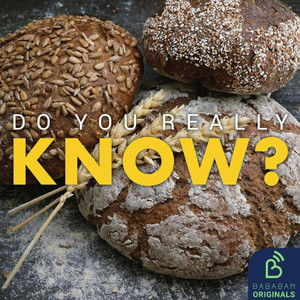
[Is Bread Actually Harmful? A Nutritional Analysis of Your Daily Staple]-[Is eating bread actually bad for you?]
📋 Summary
Is Bread Actually Harmful? A Nutritional Analysis of Your Daily Staple
Bread has served as a cornerstone of the human diet for over 10,000 years, evolving from simple sun-baked flour and water mixtures used by our ancestors to the variety of products we consume daily. Despite its historical significance, modern dietary trends have frequently "demonised" bread, with many dieters dismissing it as a source of "empty calories." This analysis explores the nutritional reality behind bread and whether it deserves its controversial reputation.
The Nutritional Profile of Bread
To evaluate whether bread is inherently unhealthy, one must examine its nutritional makeup. Bread functions primarily as a source of carbohydrates and whole grains—components essential to a "balanced diet." However, it is important to acknowledge that bread is often "pretty low" in other critical nutrients, such as protein, fat, fiber, vitamins, and minerals.
It is common to label foods as strictly "good" or "bad," but the reality is more nuanced. The nutritional value often depends on the processing methods. Many commercial varieties are "enriched with extra micronutrients" to mitigate potential deficiencies. Ultimately, the consensus is that bread is not inherently detrimental to weight loss; rather, the issues arise when "eating too much bread," as is the case with any food group.
The Impact of Carbohydrate Complexity
Not all bread affects the body in the same way. The primary concern with carbohydrates is how they influence "blood sugar levels." When consuming simple molecules like refined grains, the body breaks them down rapidly, causing a "blood sugar spike." This physiological reaction often leads to feeling hungry again shortly after eating.
In contrast, "complex carbohydrates" are more difficult for the body to digest, resulting in a more gradual increase in blood sugar. This is why "whole grain varieties" are widely considered the healthiest options. While white bread is manufactured using only the "endosperm" (the central part of the grain), whole grain bread utilizes the entire grain. This structural difference makes whole grain bread significantly higher in fiber and protein, which helps in "slowing down sugar absorption."
Selecting the Healthiest Options
Choosing the right type of bread can significantly impact health goals. Whole grain breads are not only superior for blood sugar management but are also "richer in nutrients like manganese and selenium." Research suggests that incorporating these types of bread is more effective for individuals aiming to achieve "weight loss goals." Specifically, the podcast highlights "rye bread, spelt bread, and sprouted bread" as some of the most beneficial varieties to include in one's diet.
Determining Your Ideal Intake
How much bread one should consume is highly dependent on individual "dietary needs and aims." For those focused on weight management, it is advisable to "limit your bread intake" in a manner consistent with other high-carbohydrate foods like pasta.
According to WebMD, the general recommendation is to consume approximately "6 ounces of grains per day," which includes bread, oatmeal, and breakfast cereals. Crucially, "at least half should be whole grains." However, these guidelines are flexible; if you are "relatively active" and require higher levels of energy, your body may accommodate a larger intake of carbohydrates. In conclusion, bread is not a dietary villain, but rather a versatile food that, when chosen and portioned wisely, can fit perfectly into a healthy lifestyle.

Deep Learning with ListenLeap


