
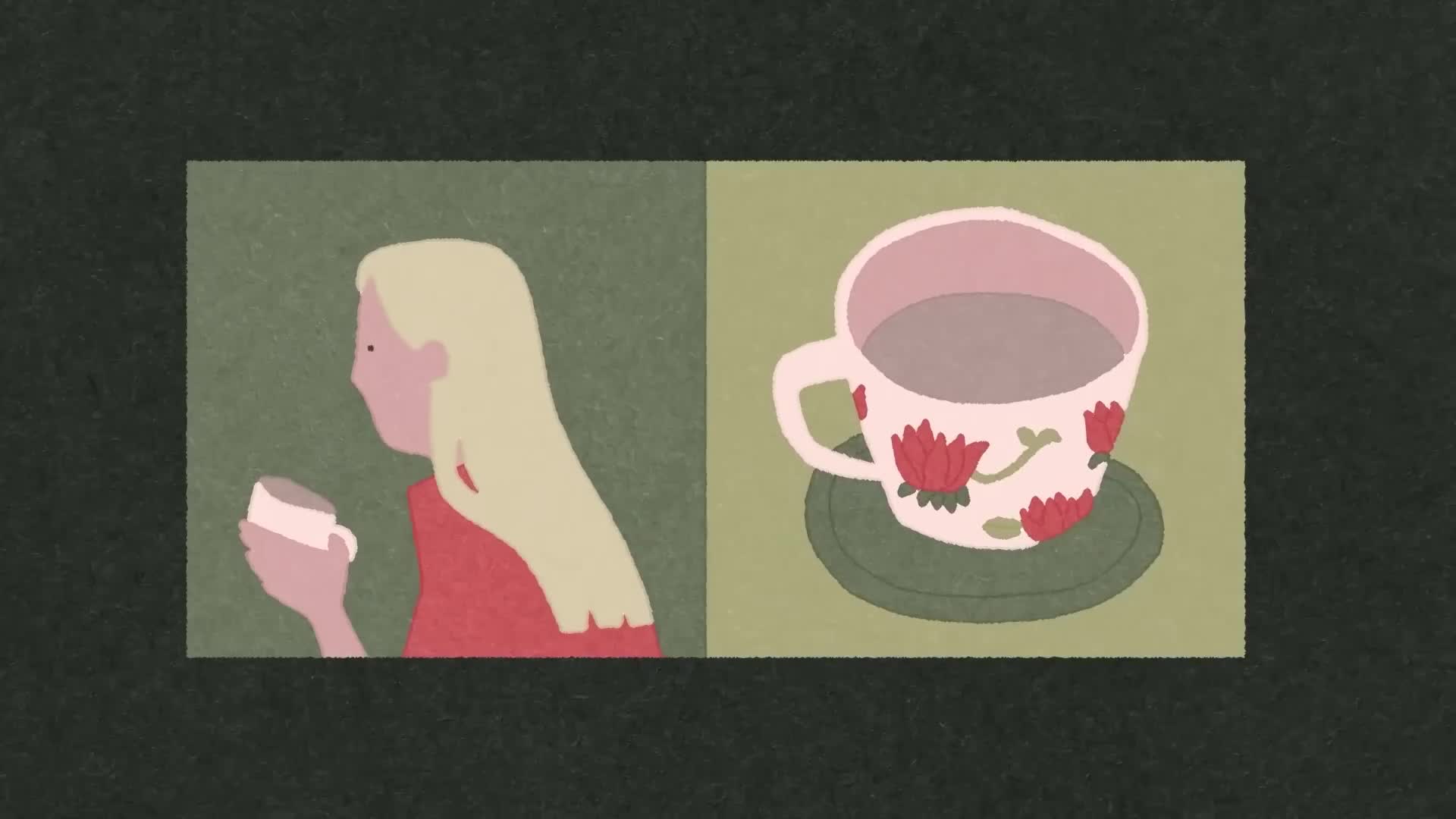
[The Art of Appreciation: Why We Must Value Kindness and Beauty]-[In Praise of Nice People]
📋 Summary
The Art of Appreciation: Why We Must Value Kindness and Beauty
In our daily lives, we are frequently met with gentle reminders to "appreciate the good people." These are the individuals who offer us kindness, support our ambitions, and reach out regularly to check on our well-being. Yet, there is a pervasive skepticism toward such advice. We often dismiss these reminders as "remote, mechanical, [or] sentimental." We operate under the cynical assumption that if someone is truly valuable, their worth should be self-evident without the need for "artificial prompts." However, this perspective fundamentally misinterprets human nature, leading us to a tragic conclusion: we possess a natural tendency to "categorically and very tragically reject, ignore and trample upon goodness and niceness whenever it crosses our path."
The Psychology of Ingratitude
The podcast posits that we are essentially "spoilt children" who are conditioned to prioritize "drama and pain" over "rest and sweetness." This psychological flaw is most evident in our relationship with the natural world. We routinely "omit to notice" the profound beauty surrounding us—the light filtering through trees, the colors of the sea, or the changing seasons. We are so blinded by our own internal narratives of strife that we fail to acknowledge the majesty of the world until it is captured by artists.
Art as a Mirror of Our Neglect
Our collective reverence for masters like Cézanne, Renoir, Van Gogh, and Vermeer is not merely an appreciation of technique; it is an act of "self-criticism and atonement." We are moved by their work precisely because we are "accustomed to look past" the very things they highlight. When we stand before a canvas, we are receiving a silent, urgent message: "Stop being so ungrateful to springtime" and "enough of your focus on strife and ugliness." The emotional resonance we feel in galleries is a "semi-conscious sense" of how far we have drifted from the simple, sane, and thoughtful appreciation of reality.
Breaking the Pattern of Disregard
This same "dispiriting ingratitude" that we apply to nature is mirrored in our interpersonal relationships. We have become "inured to beauty" in people, often taking generosity for granted and mistaking "calm for tedium." The tragedy of our social lives is that we are "magnetically drawn to complicated, tormented types" who mirror the chaotic figures from our pasts, while simultaneously ignoring those who provide steady, kind, and true support.
We must actively fight the urge to overlook the "glory of forgiveness" and the value of those who demonstrate patience. The podcast serves as a final, poignant call to action: we must "break the pattern" of our indifference. Life is inherently difficult, and the existence of kindness is rare and fragile. We must learn to "pay genuine homage to what and who is good, kind and true" before the opportunity passes. As the text concludes, "life is too awful for us to treat niceness with anything other than wholehearted reverence."
Deep Learning with ListenLeap


