
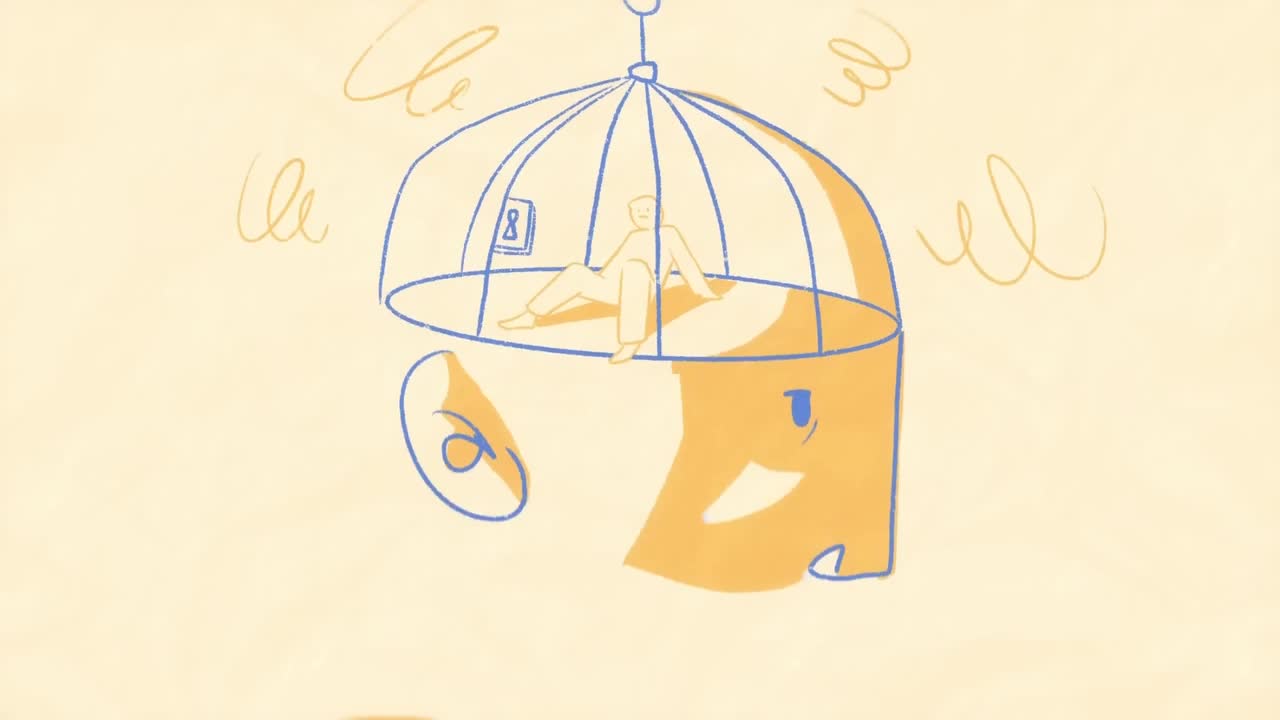
[The Art of Emotional Communication: Mastering the Skill of Speaking Our Needs]-[The Importance of Expressing Our Needs]
📋 Summary
The Art of Emotional Communication: Mastering the Skill of Speaking Our Needs
Relationships often face a "tear-inducing" reality where love founders not because of a lack of affection, but because of a failure to master a fundamental skill: the ability to express our feelings clearly and gently while they are still fresh. This failure, often rooted in a lack of childhood guidance, leads to a cycle of silence followed by explosive, destructive rage.
The Legitimacy of Our Needs
At the heart of healthy communication lies the "fundamental conviction" that our needs are legitimate. Whether it is a dislike for garlic, an aversion to country walks, or a lack of interest in horses, these preferences are not "problematic positions"; they are simply expressions of who we are. We must internalize that we do not need to have "normal sleeping patterns" or "normal tastes in sex" to be worthy of love. We are entitled to be complicated individuals, provided we can articulate our internal worlds to our partners.
The Danger of Silence
Too many relationships suffer because individuals "lose their tongue." When we suffer in silence, we eventually reach the "end of our tether," leading us to "act out our rage" and blame our partners for failing to read our minds. This dynamic is toxic. It is "incumbent on us to speak" just as much as it is incumbent on our partners to listen. If we do not address these issues while there is still "goodwill left," our affections become "irreparably affected," and love eventually goes cold.
A Framework for Difficult Conversations
To foster better communication, we should approach difficult messages with a structured, poised manner. The author suggests a modular approach to phrasing complaints effectively:
- Start with Reassurance: Begin by affirming the relationship. Use phrases like, "I love you a lot," or "my respect for you is boundless." This establishes that the conversation stems from care, not hostility.
- State Your Position with Conviction: Own your needs without apology. Use phrases like, "there's an issue I have about..." to clearly define your boundary.
- Allow Room for Disagreement: We are not looking for "perfect alignment," but rather "good enough understanding." Acknowledge that the partner may not see "eye to eye" with you, and invite them to acknowledge differences with grace.
- The Ultimate Filter: If, after polite communication, a partner becomes "furious" or refuses to make space for our needs, we have done ourselves a "favour" by identifying the incompatibility early. In such cases, one must "remove ourselves from the situation and look elsewhere."
Conclusion: The True Enemy of Love
We often mistakenly believe that being a "good partner" means suppressing discordant needs to avoid conflict. However, the true enemy of love is the inability to communicate. By learning to take our partners into our world and explaining how it looks through our eyes, we prove that it is entirely possible to be "at once good people and different people." True intimacy requires the courage to speak gently but clearly, ensuring that we never accept less than an environment where our authentic selves can be heard and understood.
Deep Learning with ListenLeap


