
[The Lasting Impact of Parental Rage on Child Development]-[The Impact of Anger on Young Children]
📋 Summary
The Vulnerability of the Developing Mind
It is an appealing but ultimately misguided notion that young children are resilient enough to simply "brush off" the experiences of growing up around violent or angry caregivers. Psychological research presents a much more "daunting" reality: human beings are "hugely susceptible to the moods of the people around us." When children are exposed to "violent tempers" during their formative years, the resulting psychological "scars can last a lifetime."
The Science of Emotional Contagion
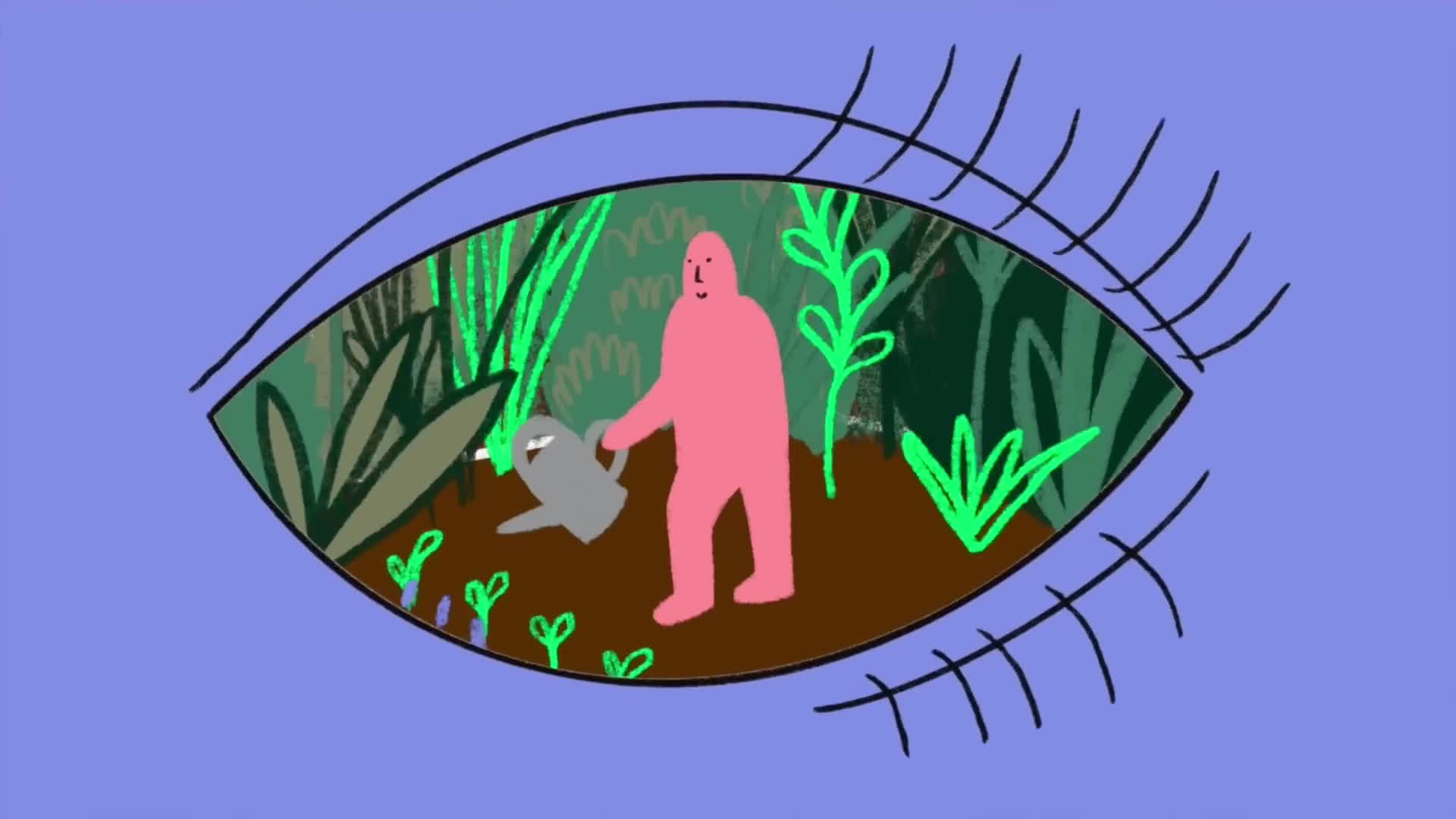
At the University of Washington's Institute for Learning and Brain Sciences, Professor Betty Repaccioli and her team conducted a pivotal experiment to demonstrate how sensitive children react to the proximity of a "raised, angry voice." The study highlights a stark contrast between a child’s natural state and their reaction to environmental hostility. In a "safe environment," a child is naturally inclined to "explore joyfully," driven by curiosity. However, when an "emoter" introduces aggression—characterized by verbal cues like "that's aggravating" or "that's so annoying"—the child's curiosity immediately "gives way to fear."
From Childhood Fear to Adult Limitation
While the 15-month-old subject in the experiment was fortunate enough to be sitting on the lap of a "loving mother" and could be "quickly comforted," the transcript poignantly notes that many individuals are far less fortunate in their upbringing. The lasting consequence of such early exposure is not merely an isolated moment of distress, but a long-term inhibition of the human spirit. Many adults, as a result of their early conditioning, have grown "too frightened to explore" the world around them, effectively paralyzed by the echoes of past trauma.
A Call for Compassion and Change
The conclusion of this analysis is a plea for societal shift. Recognizing that many people carry the burden of being "cowed traumatised children," the author argues that we must approach our own healing with "immense compassion." Furthermore, there is a collective responsibility to use our "intelligence to create a world" that is defined by a significant reduction in "rage." By minimizing the prevalence of volatile environments, we can protect the next generation from the stifling effects of fear, ensuring that children retain their capacity for joy and exploration rather than becoming victims of their caregivers' unresolved anger.
Deep Learning with ListenLeap


