
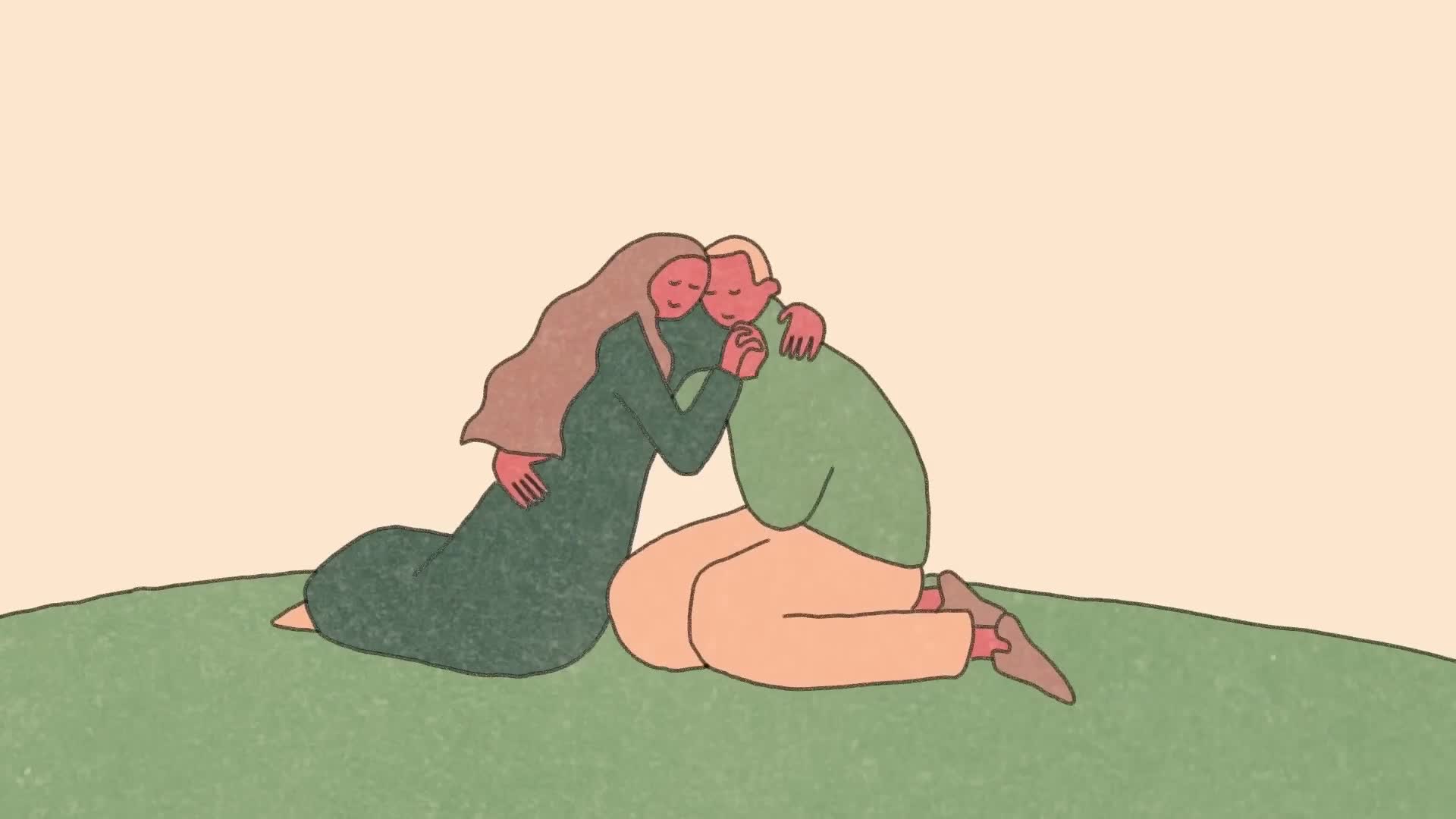
[The Paradox of Love: When Letting Go Is the Ultimate Act of Devotion]-['I Love You But I Don’t Think We Should Be Together']
📋 Summary
The Romantic Fallacy: Beyond the Myth of Unconditional Persistence
We are culturally conditioned to believe that love is an unstoppable force. We often assume that if someone claims to love us but insists on ending the relationship, they are merely "lying." This perspective is rooted in a rigid ideology of romanticism, which posits that "if love is sincere, of course it won't stop at any obstacles, however large." We are told that we must either "fight till the end to be with them" or admit that we "don't love them and will walk away." According to this binary worldview, there is no third category, only deceit.
The D.H. Lawrence Ideal and the Neglect of Practicality
This absolutist view is perfectly captured by the novelist D.H. Lawrence, who famously suggested that "a man in love will sleep for the rest of his life on a park bench for a woman he loves." This metaphor suggests that love exists in a vacuum, independent of reality. By extension, this ideology demands that we ignore "children from another relationship," "no money," "living abroad," "mental illness," "cultural differences," or "contrasting directions" in long-term goals. We are taught to believe that these are mere trifles and that "there will always be a way for love to succeed."
A Philosophy of Restraint: Respecting the Practical Dimensions of Life
However, there exists a more "restrained and less esteemed" philosophy that challenges this idealism. This approach balances "respect for emotions" with an "equal respect for the practical dimensions of life." It acknowledges that even the most "tender and sympathetic" feelings cannot "mitigate or erase the impact of social ostracism." When a relationship faces "opposed friendship groups, clashing values, ongoing distance, [or] incongruous life stages," the consequences are real and often painful. This philosophy asks us to consider whether our presence in a partner's life is actually a source of stability or a cause of "avoidable miseries."
Redefining Love as Care and Sacrifice
If we define love as the "care and nurture of another person," we must confront the uncomfortable possibility that staying together might be an act of selfishness rather than devotion. We must ask ourselves: "Are we so uniquely fitted to be with them as to justify the suffering our presence entails?" It is vital to consider if our insistence on staying has more to do with "our satisfaction than their fulfilment."
While it is true that some individuals use the excuse of practicality to "dress up their escapes as acts of generosity," this does not invalidate the existence of "true lovers who quietly sacrifice themselves on unheralded altars of resignation."
The Greater Love: The Art of Letting Go
Ultimately, while it is "hugely honourable and very moving to do one's utmost to be with someone," there is a higher form of love that is rarely celebrated. It may be a "greater love still to adore a person and then, before wasting any more of their time, to leave them well alone." By choosing to walk away when the practicalities of life make a relationship destructive, we stop prioritizing our own desire to possess the other person and instead prioritize their well-being and future. True love, in its most mature form, is not just about the fight to stay, but the courage to recognize when leaving is the most profound gift we can give to the one we love.

Deep Learning with ListenLeap


