
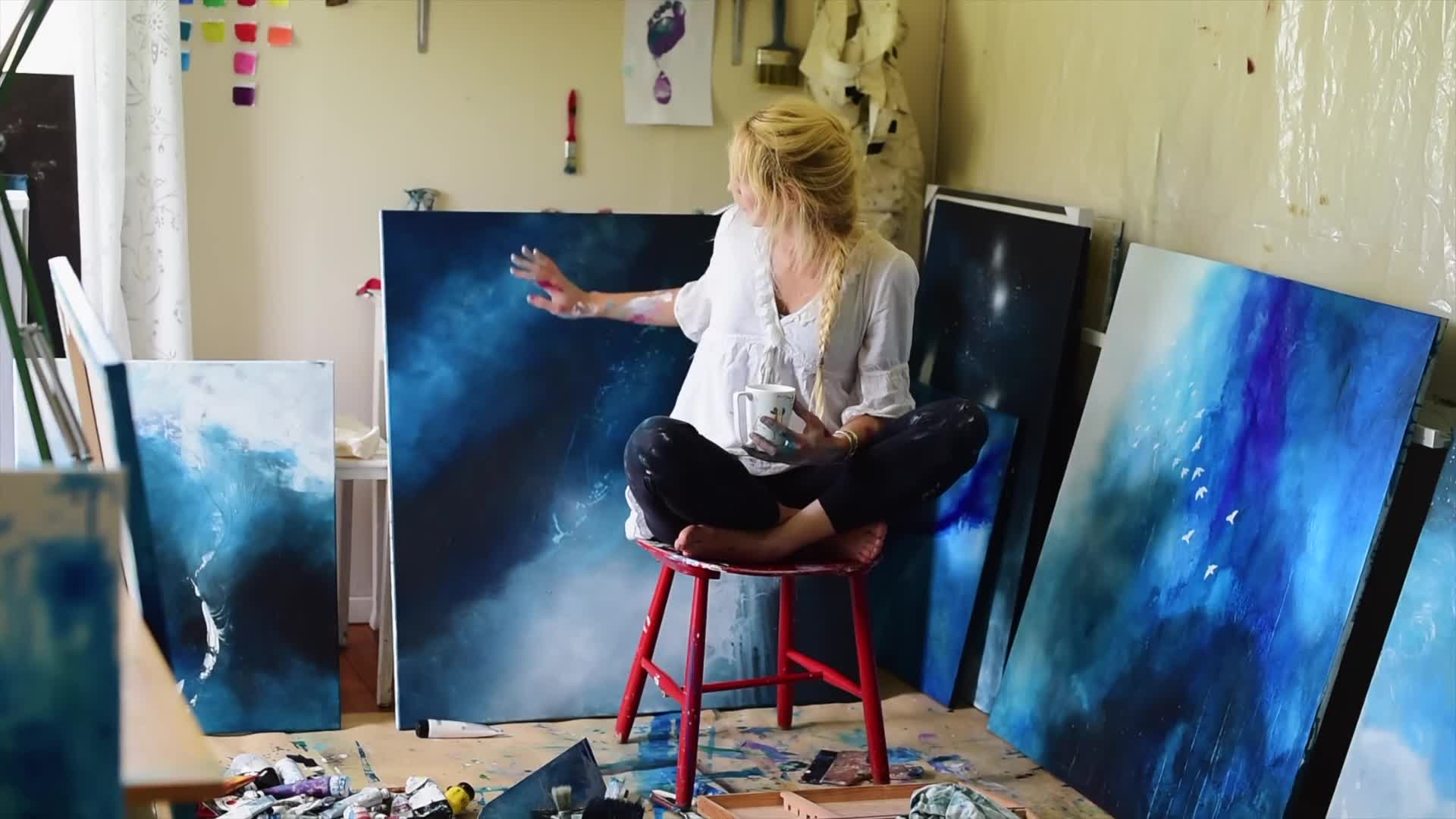
[The Art of Earth: Crafting Natural Pigments from the Wilderness]-[How I make paint of earth pigments | Painting tutorial]
📋 Summary
The Art of Earth: Crafting Natural Pigments from the Wilderness
The Genesis of an Artistic Journey
Eight years ago, a journey into the world of painting began with a simple curiosity. Starting with basic tutorials, the creator sought to find a personal style, eventually discovering that nature is the "one and only inspiration" for all creative endeavors. Living in the northern wilds of Sweden, surrounded by "endless forests and lakes," the creator found that the environment is the "heart" of every project, whether it involves music, photography, or painting. The shifting seasons and the raw beauty of the landscape provide a constant, evolving backdrop for artistic expression.
Nature as a Medium: From Landscape to Canvas
A pivotal shift occurred when the artist experimented with blueberries, leading to a profound fascination with "natural pigments." This discovery opened a "whole new door" in the creative process. By scavenging materials from the immediate surroundings—such as "charcoal" from fire stoves, "ashes" for grey and brown tones, "stones," and even "mud and dirt"—the artist transitioned from merely painting nature to incorporating nature directly into the work. This transformation added a "new dimension" to the art; every finished piece now carries a specific story, where the artist knows exactly "where I picked them and how they ended up on the canvas."
The Alchemy of Creation: A Step-by-Step Guide
To demystify the process for curious viewers, the artist outlines a practical method for transforming raw earth into professional-grade paint:
- Preparation and Safety: Always wear a mask when working with crushed materials like sand or stones to avoid inhaling "dust and smoke."
- Refining the Raw Material: Use a strainer to remove large debris, repeating the process until the material is as "soft and clean as possible."
- Grinding: Employ a mortar to crush the material into a fine powder. The artist emphasizes that the "quality of the pigment will be much better the smaller pieces you get."
- Binding: To ensure the pigment adheres to the canvas, mix the powder with a binder. The artist personally favors "acrylic medium" (such as pouring or glazing medium) to maintain the desired consistency for layered painting.
Philosophy of Creativity: Playfulness and Experimentation
Beyond the technical aspects, the artist advocates for a mindset of boundless creativity. The central message is to "not be limited to one way of doing something." By viewing every painting as an "experiment," the artist avoids the stagnation of traditional rules. While some natural materials like berries may "fade out after a while," the artist embraces these organic changes, sometimes mixing natural pigments with synthetic acrylics to achieve specific colors like blue or to strengthen whites using "white quartz stones" and "limestones."
Conclusion: Letting Creativity Flow
The act of making paint has made the entire artistic process feel more "meaningful." By moving beyond store-bought supplies and engaging directly with the landscape, the artist has found a deeper connection to their work. The core advice remains clear: be "playful and curious," avoid getting stuck in conventions, and above all, remember that "creativity is meant to be free." Whether you are sourcing pigments from your garden or experimenting with new textures, the goal is to let your artistic voice "bloom in your own unique way."
Deep Learning with ListenLeap


