
[The Body as a Mute Historian: How Emotional Trauma Manifests Physically]-[How to listen to your Body]
📋 Summary
The Somatic Manifestation of Emotional Distress
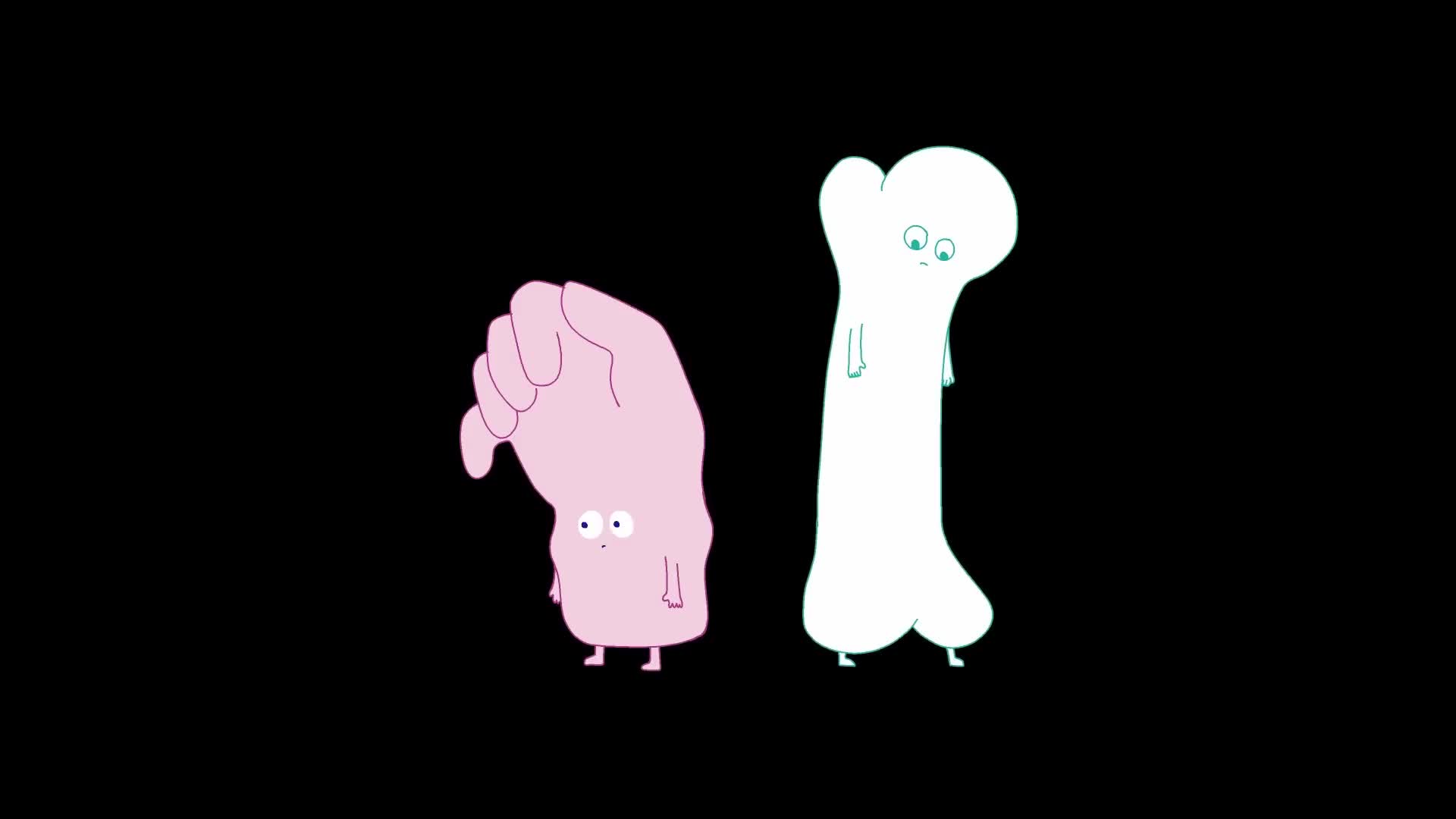
One of the most profound and peculiar concepts in modern psychology is the idea that our emotional difficulties do not merely reside in the abstract space of the mind, but can become physically lodged within our bodily selves. While it is intuitive to accept that a traumatic event might be remembered by the brain, the notion that a "kidney" or a "wrist" could hold the weight of a "punitive parent" or a "painful divorce" challenges our traditional understanding of the mind-body dichotomy. In reality, these are not "impermeable entities"; rather, there is a constant "emotional traffic" flowing between them.
The Limitations of Bodily Eloquence
The fundamental issue we face is that our organs possess a profound lack of "eloquence." While the brain has the distinct advantage of being connected to our mouths, allowing for verbal expression, our organs are not designed to articulate complex psychological histories. Even the brain, which acts as our primary processing center, often fails to fully express what is happening, as much of our internal reality remains "lodged in unconscious darkness." If the brain struggles to explain the intricacies of our internal lives, our bodily organs are even less equipped to write our "psychological biographies."
The Body as a Conscience
Despite their lack of vocabulary, the body functions as a form of "conscience." It refuses to let certain unresolved traumas fade away. When the "pathway to self-expression" is blocked—meaning we fail to articulate our feelings verbally—the body acts as a secondary channel for these messages. "Bodily pain is hard to ignore, and that is the point." We often develop physical ailments precisely because our minds become too "ingenious at overriding their own pulses of distress." We are experts at suppressing "low-level depression" or "chronic anxiety," but when the "deep self" can no longer tolerate this "emotional negligence," the body forces our attention through physical symptoms.
From Physical Symptom to Linguistic Understanding
Whether it is a "backache" that makes it "incontrovertible that something is very wrong," or a stomach that speaks for the silence of the mind, our physical ailments are often proxies for unspoken truths. The text suggests that the more we can engage in the process of "consciously understanding our background traumas," the fewer symptoms we will manifest that leave doctors unable to "get to the bottom of" the cause.
Ultimately, the body is a "mute historian" or an "inarticulate historian." It can signal that "something is wrong," but it cannot perform the necessary work of "sifting, the recollecting, the mourning and the interpreting." That labor must be done by the mind. By taking the "burden of memory" off our bodies through conscious reflection and verbalization, we allow our physical selves to heal. We owe a debt of gratitude to our bodies for keeping us "honest about what we have gone through," but through understanding, we can alleviate the need for them to suffer in an effort to remind us of our past.
Deep Learning with ListenLeap


