
[The Duality of Attachment: Why We Struggle to Accept Imperfect Love]-[How To Cope with an Imperfect Partner]
📋 Summary
The Psychological Duality: From Infancy to Adult Relationships
The Origin of the Two Mothers
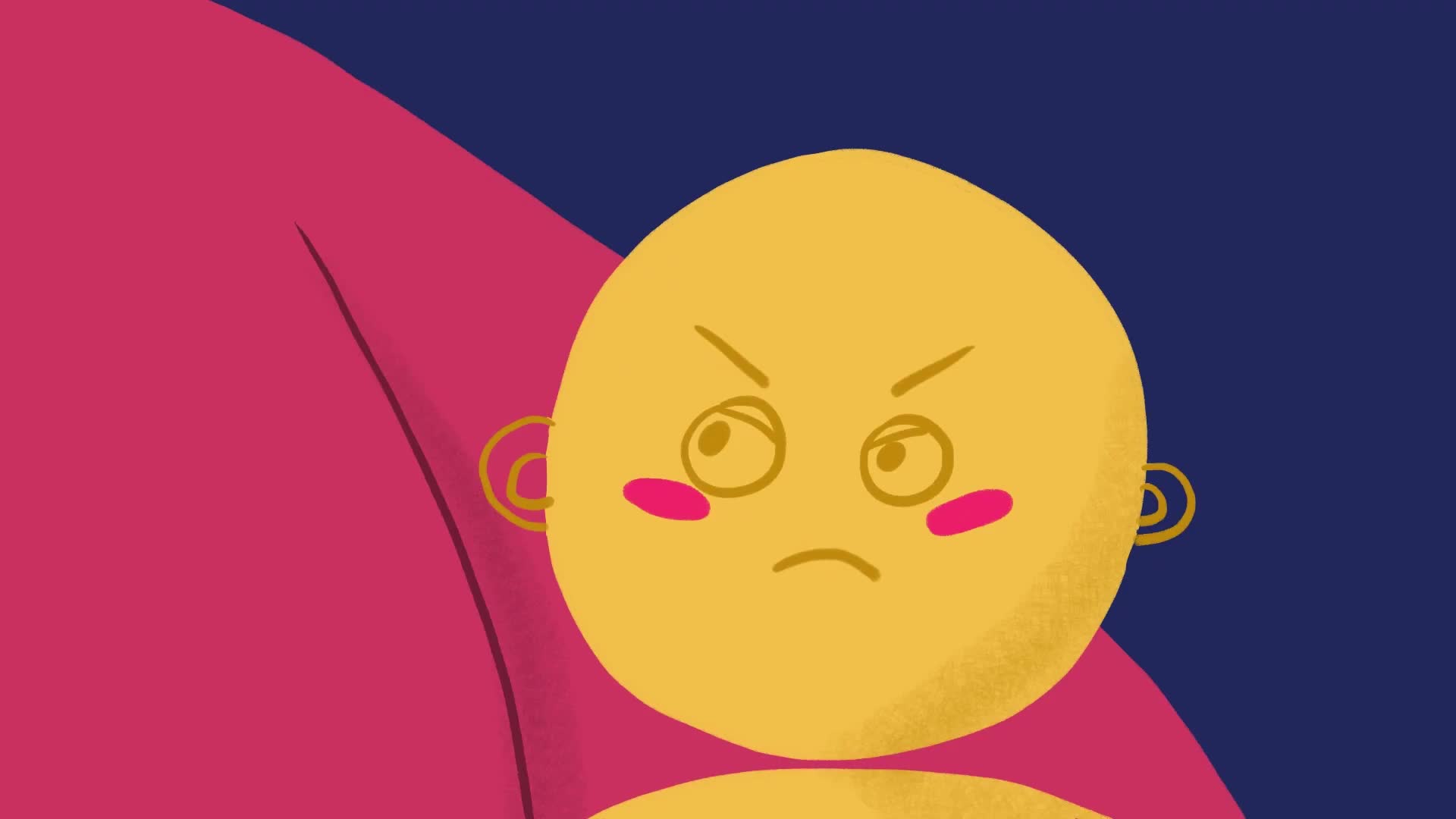
Psychotherapy offers a profound, albeit unsettling, insight into human development: the infant’s perception of the caregiver. Early in life, a baby operates under the belief that it has two mothers. "Mother one" is the idealized figure—she is "kind," "sweet-natured," and "generous," appearing exactly when the baby calls. However, there is also "Mother two," a "challenging and terrifying proposition." This version of the mother is fallible; she fails to interpret needs immediately, misjudges bath temperatures, and allows external distractions like friends or phone calls to interrupt her focus. The baby’s emotional response is binary: toward the first mother, it directs "boundless love"; toward the second, it feels "pure and unalloyed hate," wishing to "chew her up and put her in the bin."
The Shocking Realization of Unity
As the child matures into a toddler, a "shocking realisation" occurs: Mother one and Mother two are the same person. This concept is "sobering" and difficult to digest. It forces the realization that the individual who is "completely delightful and gratifying" is identical to the one who is "profoundly enraging and enervating." Psychotherapy suggests that many adults fail to fully integrate this truth, continuing to act as "inveterate dividers" throughout their lives. We struggle to accept that "good and bad" can exist within the heart of a single decent person.
Projecting the Duality onto Romantic Partners
This childhood pattern of splitting persists into our adult romantic lives. In the early stages of a relationship, we are convinced we have met "lover one"—a partner who "understands us completely" and with whom we can envision a future. Yet, eventually, this person reveals their "body double," whom the narrator calls "lover two." This second version of the partner is far less enchanting; they leave "wet towels on the bathroom floor," possess "annoying friends," and fail to respect our hobbies. Just like the enraged baby, we are tempted to discard them entirely, believing that "lover two" belongs "at the bottom of the bin."
Moving Toward Mature Love
The turning point in emotional maturity arrives when we resist the urge to discard the partner. We begin to embrace a "nuanced, ambivalent, yet ultimately liveable idea": that lovers one and two are the same person, influenced by "different moods and circumstances." We must acknowledge that "perfect people do not exist" and that "good and bad stand in a complex relationship within anyone."
While these realizations are "sad" and even "tragic," they are essential. We eventually learn to apply "pessimistic generosity" to others—the same grace we afford ourselves. By accepting that others are "wicked, flawed, disappointing and silly" just as we are, we stop searching for a phantom of perfection. Ultimately, we discover that there is something more valuable than finding a partner who never lets us down: finding a lover who is "real."
Deep Learning with ListenLeap


