
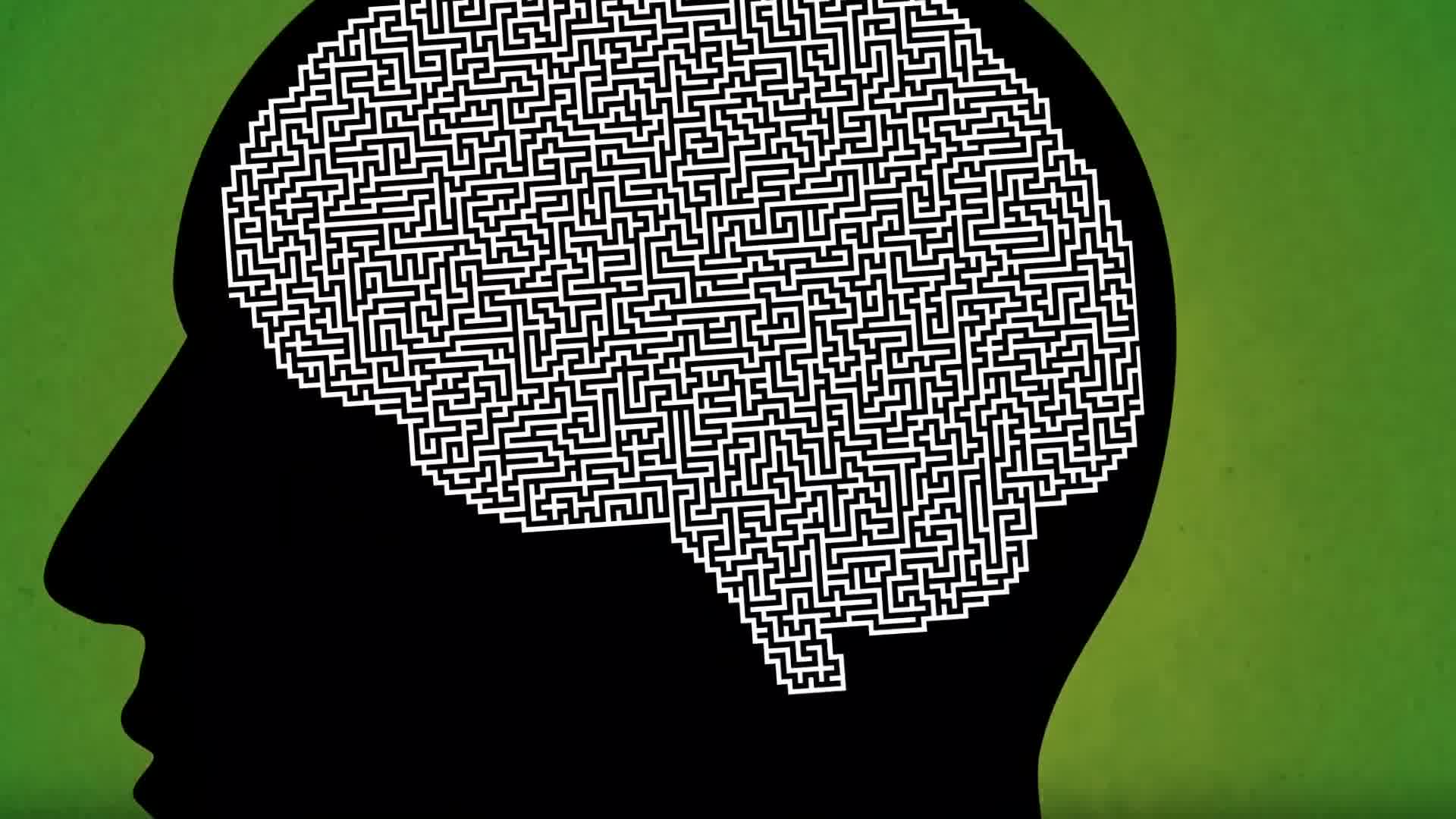
[The Political Impact on the Fragile Mind: Lessons from Virginia Woolf]-[How Politics Can Drive Us Mad]
📋 Summary
The Political Impact on the Fragile Mind: Lessons from Virginia Woolf
The Illusion of Separation Between Politics and Mental Health
It is a common societal assumption that political events exist in a separate sphere from our internal psychological functioning. We often treat the distress caused by global instability as something secondary, believing that unless we are directly in the line of fire—experiencing a bomb falling on us or being sent to prison by a tyrant—our anxiety is "exaggerated." However, this perspective overlooks the reality that political chaos can possess the "power to drive us mad." We tend to associate sanity with the ability to maintain a grip on our minds, yet the podcast suggests that when the world itself seems to have "gone a little bit mad," the impact on the individual can be profound and dangerous.
The Case of Virginia Woolf: A Vulnerable Soul
To understand this phenomenon, the podcast turns to the life of Virginia Woolf, described as "one of the most sensitive humans ever to have lived." Woolf’s mental fragility was rooted in a history of profound trauma, including sexual abuse by her half-brothers and the early loss of her parents and sister. These experiences left her with a deep-seated terror and a difficulty in trusting the world. Yet, this trauma also gave her an "enormous appetite for beauty, for gentleness, for friendship, and for literature." She functioned by holding on "extra tightly to what felt good outside" to compensate for the fear she harbored within.
The Destructive Force of External Chaos
The rise of fascism in Germany and the outbreak of the Second World War acted as a catalyst that shattered Woolf’s fragile internal balance. The podcast argues that Hitler’s "aggression, his hate-filled and untruthful speeches" effectively "wore away at Woolf's trust in everything." By painting the world in black and removing the already scarce hope she clung to, the geopolitical cruelty of the time mirrored the personal cruelty she had faced in her past. As the invasion of Europe progressed and the Blitz began, the foundations of her belief in "reasoned and principled behaviour" were "chiselled away." Despite the love of her husband, the safeguards of her mind eventually failed, leading to her tragic suicide in the River Ouse.
A Warning for the Vulnerable
Virginia Woolf’s story serves as a poignant reminder that we are not as detached from the political realm as we might hope. For those who are not "wholly steady inside" due to early life abuses, the "hateful voices and motives" seen in the international arena can evoke past traumas that one has spent years trying to "keep at bay." When the global atmosphere becomes one of "mayhem and unbounded violence," it can unbalance even the most brilliant minds, regardless of whether they are physically distant from the conflict.
The Necessity of Conscious Preservation
The podcast concludes with a crucial call to awareness. If we find ourselves "abnormally affected" by the shouting, hate, and betrayal in the news, it is a sign that these events are cutting "deep into our minds." In such times, we must take "particular care." We are urged to "fight with extra courage" and rely on the support of those who care for us. The ultimate goal is to ensure that the unkindness in the external world is not allowed to achieve a "victory over the wisdom and goodness that endure within us." By acknowledging our susceptibility, we can better protect our mental integrity against the encroaching darkness of political turmoil.
Deep Learning with ListenLeap


