
[The Uncharted Territory: Integrating Comics into the Modern Classroom]-[How comic books can help you learn - Gene Luen Yang]
📋 Summary
The Educational Evolution of Comic Books
The Personal Journey from Dork to Educator
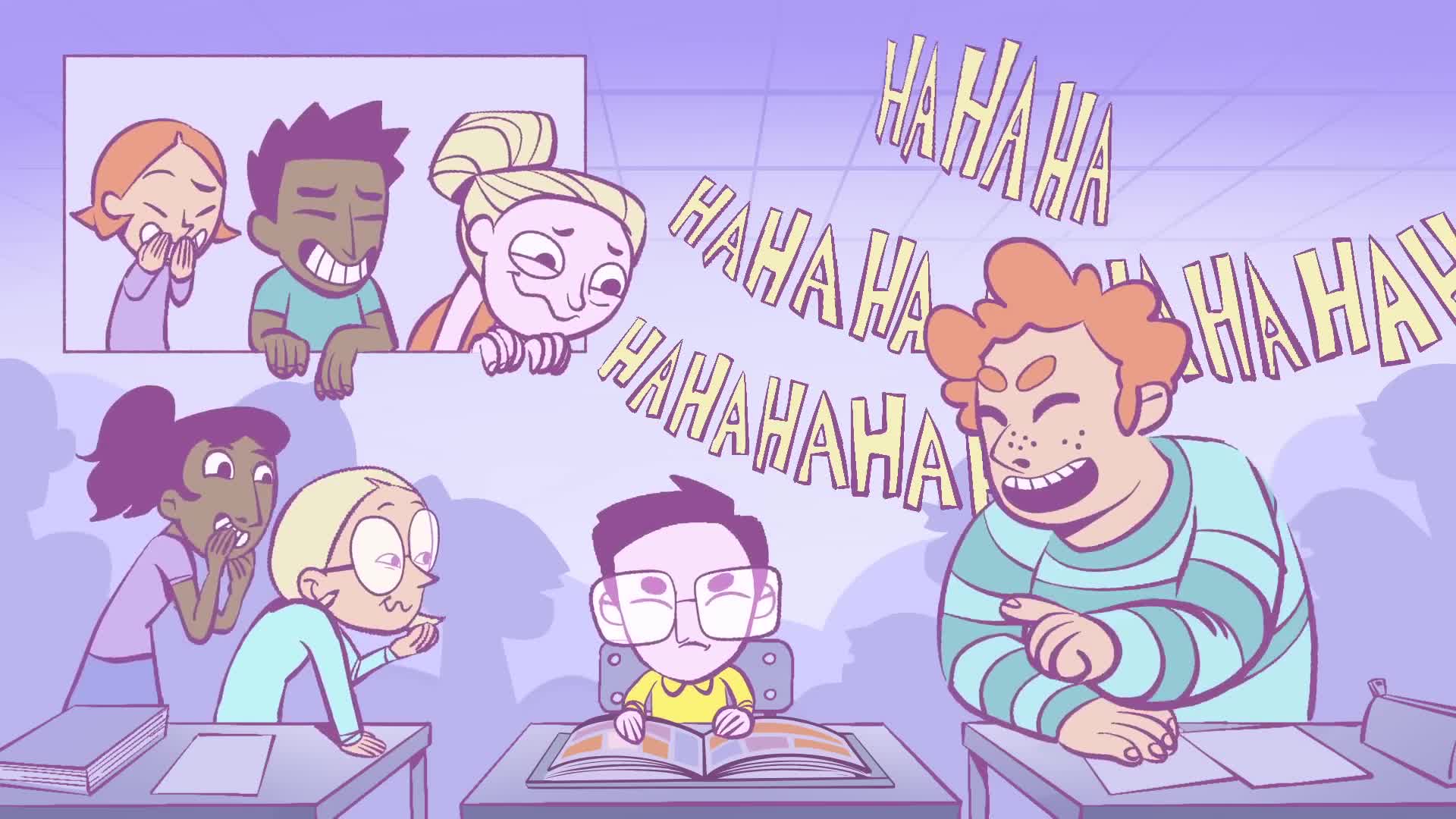
Gene Luen Yang’s relationship with comics began in the fifth grade when he purchased an issue of DC Comics Presents. While he instinctively felt that "comic books didn't belong in the classroom," his dual identity as a professional cartoonist and a high school teacher at Bishop O'Dowd High School eventually forced a collision between these two worlds. Initially, his students viewed his passion as a distraction, often asking trivial questions like, "Who do you think would win in a fight? Superman or the Hulk?" However, a shift occurred when Yang was forced to use video lectures to cover his absences. When students complained that he was "unbearable" on video, he pivoted to drawing his lectures as comics. To his surprise, the students preferred "cartoon me" over the "actual me," revealing the untapped pedagogical power of the medium.
Why Comics Work: Visual Literacy and Pacing
Yang identifies several reasons why comics are uniquely effective for education. First, they cater to a generation raised in a "visual culture." Unlike traditional textbooks, comics allow for a unique spatial arrangement where "past, present, and future all sit side by side on the same page." Most importantly, comics grant the reader agency over the "rate of information flow." When students struggle with a complex concept, the comic format allows them to "reread that passage as quickly or slowly as they needed," providing a self-paced learning environment that static lectures cannot replicate.
The Historical Stigma: A Legacy of Misunderstanding
Despite their current resurgence, comics have a fraught history in American education. In the 1940s, comics were a dominant "mass medium." This popularity was derailed by Dr. Fredric Wertham’s 1954 book, Seduction of the Innocent, which baselessly argued that comics caused "juvenile delinquency." Though Wertham’s arguments were "dubious," they triggered Senate hearings that caused "tremendous damage to the reputation of comic books." It took decades for the medium to recover from this public relations disaster, with widespread acceptance among educators only truly gaining momentum in the last decade.
Modern Implementation and the Future of STEM
Today, the tide has turned. Schools like Bishop O'Dowd are actively integrating graphic novels into their curricula. From using Scott McCloud’s Understanding Comics in literature classes to assigning comics essays that require students to "process a prose novel using images," educators are finding creative ways to engage students. The impact is measurable; according to a School Library Journal article, the presence of a graphic novel collection can increase library usage by 80% and, surprisingly, boost the circulation of non-comics material by 30%.
Looking forward, Yang suggests that the next frontier is the integration of comics into core academic subjects. He describes "STEM comics and graphic novels" as "uncharted territory, ready to be explored." By moving beyond entertainment, comics are proving to be an essential tool in every educator's toolkit. As Yang concludes, education is the "ultimate idea worth spreading," and the creative application of comics is a vital step in elevating how we teach and learn in the 21st century.

Deep Learning with ListenLeap


