
[Hope for the Tasmanian Tiger: The Science and Ethics of De-extinction]-[Hope for the Tasmanian Tiger]
📋 Summary
The Tragic End and Potential Resurrection of the Thylacine
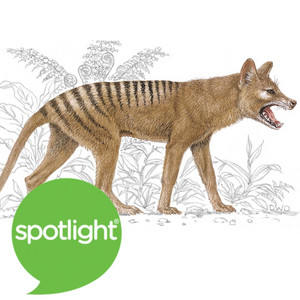
In 1936, the world witnessed the final moments of a unique creature: the thylacine, also known as the Tasmanian tiger. With its dog-like appearance, distinct dark stripes, and an ability to open its mouth nearly 80 degrees, the thylacine was a marvel of nature. The death of Benjamin, the last of his kind, marked the total extinction of the species, leaving behind only memories and a void in the Australian ecosystem. Today, however, scientists are exploring the frontiers of biotechnology to reverse this loss, turning the concept of de-extinction from science fiction into a tangible, albeit controversial, goal.
The History and Symbolism of the Tasmanian Tiger
The Tasmanian tiger was a unique marsupial, characterized by the pouch where its young would develop. Once widespread across the Australian continent, the population began to decline thousands of years ago. By the time Europeans settled in Tasmania in 1825, only about 5,000 individuals remained. Misunderstood and feared by settlers who blamed them for killing farm animals, these animals were viciously hunted to extinction, with the government even offering bounties for their skins. Today, the thylacine stands as a powerful symbol of Tasmanian identity, representing a cultural heritage that many feel compelled to restore.
The TIGGR Project: A Quest for Restoration
Andrew Pask, head of the TIGGR laboratory at the University of Melbourne, leads the charge to bring the Tasmanian tiger back. Pask views the extinction of the thylacine as a profound wrong caused by human interference, stating, "We owe it to the tigers to spend the time and money to return them to their environment."
His approach involves cutting-edge genetic engineering:
- Genome Mapping: Scientists are analyzing DNA from the remains of thylacines to map their genome.
- Genetic Comparison: The team is using the fat-tailed dunnart, a mouse-like marsupial with similar DNA, as a genetic template.
- Cellular Modification: By attempting to edit the dunnart's DNA to match that of the thylacine and placing it into a dunnart egg, researchers hope to cultivate a baby Tasmanian tiger.
Ethical Dilemmas and Scientific Skepticism
Despite the enthusiasm surrounding the project, it faces significant backlash from the scientific and ethical communities. Critics raise several critical points:
- Biological Feasibility: Some scientists argue that the genetic gap between the dunnart and the thylacine is too vast to bridge, questioning if the result would be a "true" Tasmanian tiger or merely a biological approximation.
- Resource Allocation: Skeptics contend that millions of dollars are being poured into an already extinct animal while living, endangered species like the Tasmanian devil receive far less support. They argue it makes more sense to focus on preventing current extinctions.
- Animal Welfare: Researcher Carol Freeman highlights the moral cost of the process. The project relies on intensive animal experimentation, which she argues could lead to significant "animal suffering" for a result that remains highly uncertain.
Looking Toward the Future
Andrew Pask remains optimistic, suggesting that a successful reintroduction of the thylacine into the wild could occur within the next decade. He emphasizes that the ultimate goal is ecological restoration, believing that these animals once played a vital role in nature. As technology advances, the debate over whether we should "repair some of the wrongs we have done" by playing the role of creator continues. The quest to bring back the Tasmanian tiger remains a poignant reminder of our power to destroy and our desperate, complicated desire to heal the natural world.

Deep Learning with ListenLeap


