
[The Ascent to Alm-Uncle: Heidi’s Journey Toward an Uncertain Future]-[Heidi - Part 02]
📋 Summary
The Ascent to Alm-Uncle: A Journey of Burden and Duty
The Physical and Emotional Weight of the Journey
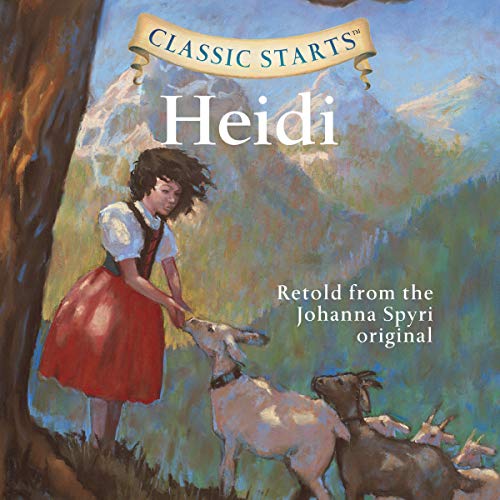
The narrative opens on a sweltering June day, introducing us to a five-year-old girl named Heidi, who is clearly ill-equipped for the strenuous climb ahead. She is described as an "overdressed" child, weighed down by "three dresses" and a "thick wool shawl." This physical burden serves as a metaphor for the emotional baggage she carries as she is led by her Aunt Dete toward the mountains. Despite the heat, Heidi bravely attempts to "walk bravely on" and "take good long steps" as instructed, highlighting the child’s innate resilience despite her aunt’s lack of empathy regarding her comfort.
The Social Stigma and Dete’s Rationalization
As the duo traverses the path from Dorfli, they encounter a local woman who voices the community's skepticism regarding Dete’s decision. The woman’s blunt assessment—"You must be crazy"—reflects the prevailing opinion about the child's grandfather, an "old man" whom the villagers believe will "throw both of you out the minute you arrive."
This interaction exposes the core conflict of the passage: the tension between familial duty and personal ambition. Dete defends her actions by emphasizing that she has "done my duty with Heidi" since the child’s mother died when the "poor babe was only one." However, her motivation is clearly self-serving. She reveals that she has "great chances coming my way" and is finally securing a "nice place to live and work." Dete’s insistence that it is "about time that her grandfather does his duty" serves as a convenient justification for abandoning the child to pursue her own professional opportunities.
The Landscape of the Mountain Life
The journey also introduces the setting of the mountain village, a place where people usually stop to "rest and visit with friends." The mention of Peter, the eleven-year-old boy who spends his days fetching goats and driving them "up the mountain," establishes the rugged, labor-intensive nature of the life Heidi is about to enter. While Dete is preoccupied with her "trip" and her desire to "get on with her trip," the surrounding environment feels indifferent to her frantic need to offload her responsibility.
Conclusion: A Tense Arrival
By the end of the passage, Dete’s internal struggle is evident. She "didn't want to admit that her friend could be right," suggesting a flicker of doubt buried beneath her resolve. Her focus remains on appearances, as she takes a moment to "straighten her hat" before seeking out Heidi. The text leaves the reader with a sense of foreboding, as the "old man" awaits, and the child—now stripped of her aunt's temporary guardianship—stands on the precipice of a life that most of the village deems impossible for the grandfather to accept. The narrative effectively juxtaposes the innocence and physical vulnerability of Heidi against the cold, pragmatic, and somewhat selfish nature of her aunt.

Deep Learning with ListenLeap


