
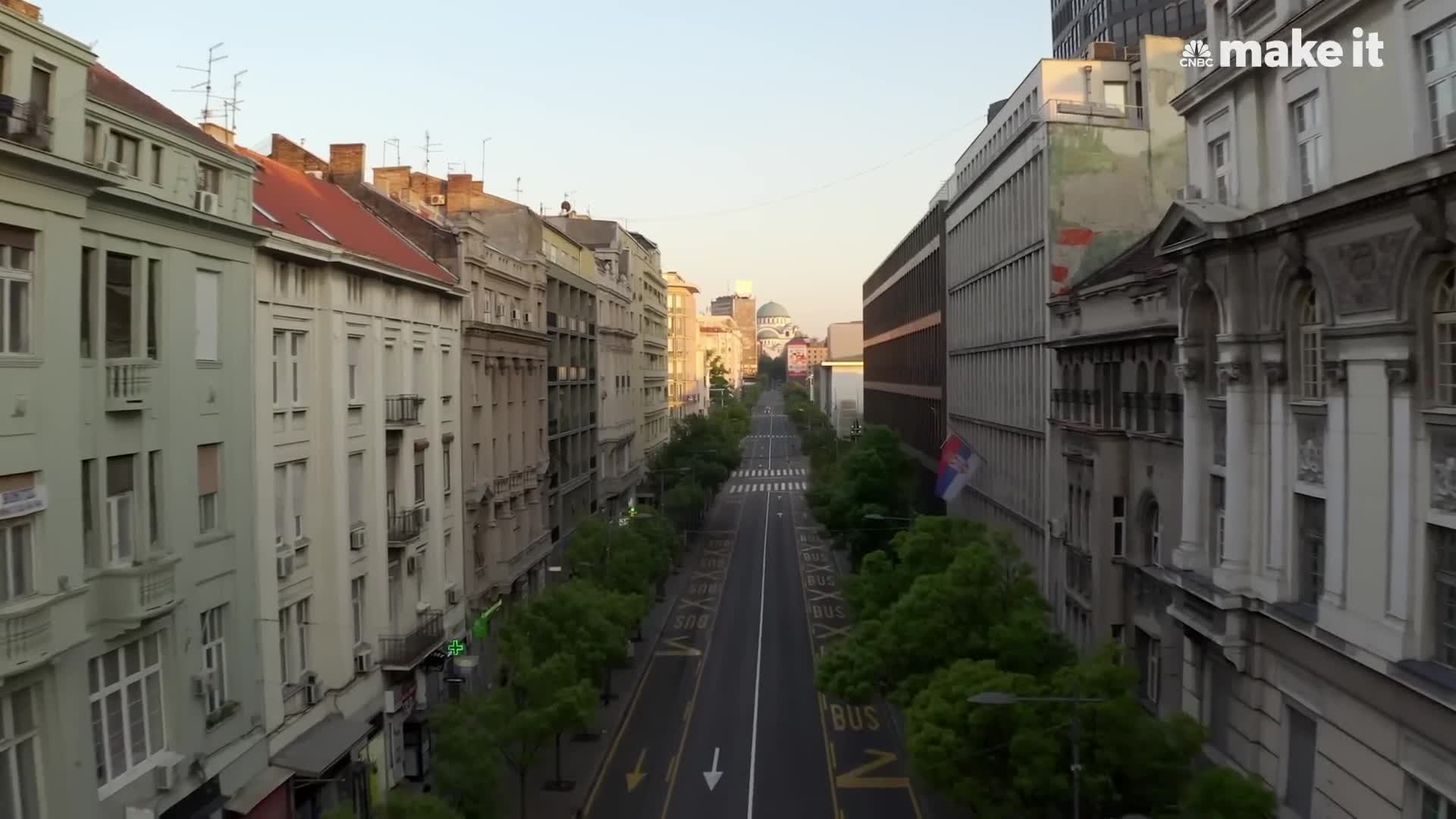
[The Expat Experience: Embracing a High-Quality Lifestyle in Belgrade]-[I'm Happier Living In Eastern Europe Than In The U.S. – Here's How Much It Costs]
📋 Summary
The Allure of Belgrade: A New Horizon for Expats
For Angela Blair Cadet, a 35-year-old American entrepreneur, relocating to Belgrade, Serbia, was not merely a change of address—it was a strategic move toward a higher quality of life. In a world where many feel trapped by the grind of "living to work," Angela found that the Serbian capital offers a refreshing alternative: a place where people "work and then you're at a cafe," fostering a culture that prioritizes lifestyle over relentless professional pursuit. As she notes, living in Belgrade provides an experience that is "10 times more expensive" if replicated in the United States, making it an ideal hub for those seeking comfort without the exorbitant costs typical of Western metropolises.
Economic Practicality and Sustainable Living
One of the most compelling aspects of Angela’s transition is the affordability of her daily life. With rent at approximately 500 euros per month and utilities totaling around 50 euros, the financial burden of basic survival is significantly lower than in the US. Angela emphasizes that her lifestyle is both sustainable and healthy, as she relies on fresh produce—noting that while items like olive oil might cost 15 euros, the quality and taste of local fruits and vegetables are "absolutely top." By utilizing free public transportation and avoiding the expenses of car ownership, she maintains a comfortable existence that allows her to indulge in the city’s vibrant culinary scene. While Belgrade has seen price increases, the city accommodates all budgets, offering dining experiences that range from casual meals to "very fancy" establishments where one might spend upwards of 500 euros.
Navigating the Path to Expatriation
Angela’s journey began with a childhood dream of living abroad, nurtured by books and a desire to build a foundation outside the US. Recognizing that studying was a viable entry point, she eventually sought a business-friendly environment. After realizing that other regions were not ideal for starting a company, she turned to Belgrade. Her initial "one-month" experiment quickly turned into a permanent stay, as she realized within a week that the city possessed everything she needed to "thrive." Today, she uses her experience to assist other Westerners in navigating the complexities of relocating to Serbia, providing a "concierge service" that helps clients secure visas and find housing, effectively bridging the gap for those who desire an expat life but lack the logistical roadmap.
Social Integration and Safety
Beyond the economics, the primary driver for Angela staying in Belgrade is the warmth of the local population. As a Black American woman, she highlights that Serbia is the "least racist country" she has experienced, noting that she feels safe and comfortable because people see her as a "human being first." This sense of belonging is amplified by the ease of meeting people; she describes the locals as "kind, friendly, and curious," constantly engaging her with questions about her journey. This social openness, combined with a thriving community of expats, musicians, and business professionals, makes Belgrade a deeply welcoming environment.
A Cultural and Recreational Haven
Belgrade’s appeal is further cemented by its legendary nightlife, which Angela claims is "the best in Europe." The city caters to every preference, whether one enjoys jazz, death metal, or hip-hop. The atmosphere is described as "festive" with "great energy," allowing individuals to enjoy themselves regardless of whether they want to spend 10 euros or 10,000 euros. Beyond the nightlife, the city offers a balanced lifestyle, with opportunities for "afternoon tea" with friends and leisurely walks along the "Belgrade waterfront."
Future Aspirations: A Permanent Home Base
Despite the "negative perspective" the world often holds toward Serbia, Angela is committed to her new home. She plans to pursue Serbian citizenship and intends to keep Belgrade as her "home base" while maintaining aspirations for global residencies in places like Thailand and Kazakhstan. Her story serves as a testament to the fact that with a bit of courage and research, one can redefine their reality, proving that "this life is possible" for anyone willing to step outside their comfort zone.

Deep Learning with ListenLeap


