
[Mastering Gym Vocabulary: A Comprehensive Guide to Fitness Terminology]-[Gym Vocabulary - REAL ENGLISH LESSON]
📋 Summary
Mastering Gym Vocabulary: A Comprehensive Guide to Fitness Terminology
Navigating a gym environment can be intimidating, especially if you are unfamiliar with the specific lexicon used to describe equipment and training methodologies. This guide breaks down essential gym vocabulary as presented in the recent podcast, providing you with the tools to communicate effectively during your next workout.
Warm-up and Cardiovascular Training
Before engaging in any strenuous activity, it is vital to prepare the body. The podcast emphasizes the importance of stretching, which is defined as the act to "lengthen your muscles to warm up before lifting weights." A well-rounded warm-up should last five to ten minutes and include brisk walking followed by dynamic stretches. These dynamic movements, which involve a "full range of motion," include exercises like torso twists, high knees walk, lunges, and arm circles.
For cardiovascular health, the podcast highlights several machines:
- Treadmill: Used for walking or running.
- Stationary bike: A classic piece of cardio equipment.
- Elliptical: A popular machine for low-impact cardio.
Strength Training Equipment
When transitioning to strength training, understanding the specific gear is essential. The host identifies several key pieces of equipment:
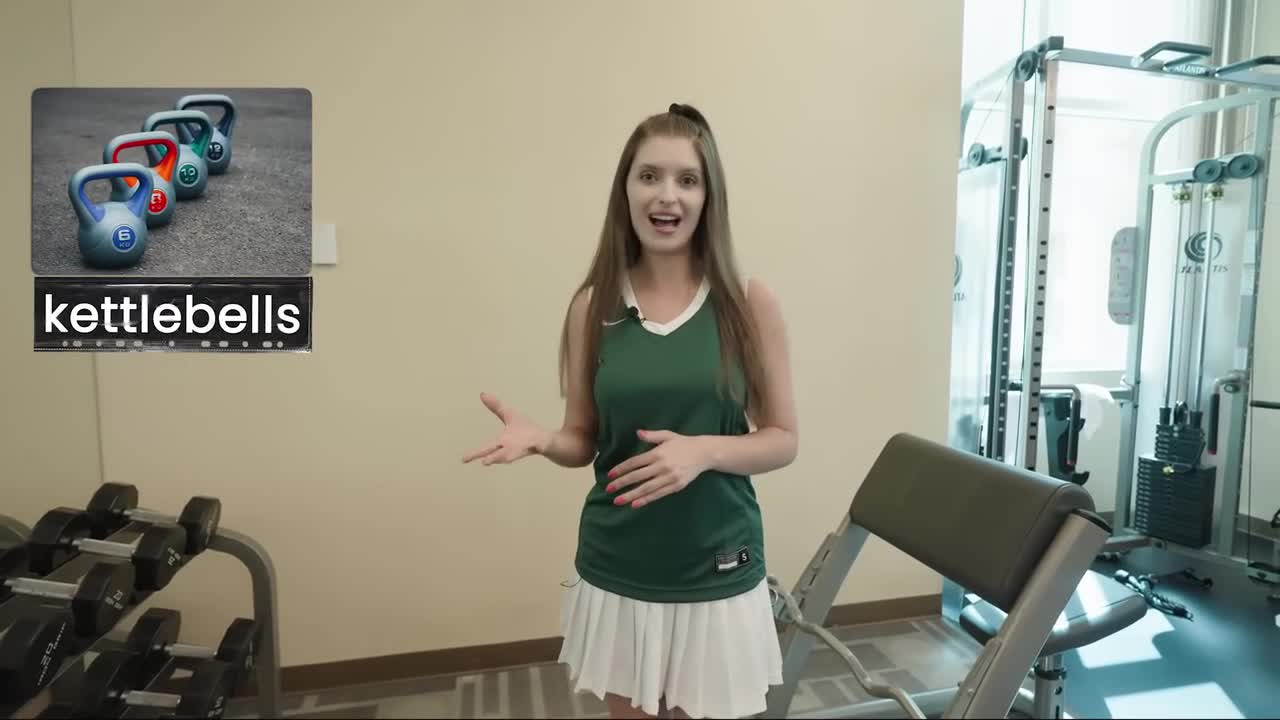
- Kettle bells: Named because they "look like a kettle."
- Dumbbells: Handheld weights used for various strength movements.
- Barbell: A long bar to which you can "add weight plates" to adjust the intensity of your lift.
- Leg press: A machine designed to target the "lower body," specifically the "thighs, calves, feet, and buttocks."
- Smith machine: A guided weight system often used for squats, though the host notes personal restrictions due to having "16 screws and two rods on my spine."
- Pull-down machine: Primarily used to target "back muscles."
- Leg extension machine: Specifically designed to exercise the "quads" or "quadriceps muscles."
- Overhead press: A movement used to "activate your triceps and your biceps."
Training Metrics and Anatomy
Understanding how to structure a workout is as important as knowing the equipment. The podcast clarifies two critical terms:
- Reps (repetitions): The individual count of a specific movement.
- Set: A "collection of repetition." For instance, "three sets of 10 repetition crunches" means performing ten repetitions, three times.
Furthermore, the host discusses specific muscle groups and fitness goals. Crunches are highlighted as "essential if you want to get six-pack abs," which refers to "well developed" stomach muscles. The host also addresses common fitness motivations, such as the desire to lose love handles—defined as "accumulated body fat right above your hips"—also colloquially referred to as a spare tire.
Conclusion
Whether you are a beginner or looking to refine your fitness vocabulary, mastering these terms—from the mechanics of the barbell to the structure of your sets and reps—is the first step toward a more confident and effective gym experience. Always remember that before using any machine, it is best to consult with a "personal trainer or your gym instructor" to ensure the weights are adjusted correctly for your specific needs.

Deep Learning with ListenLeap


