
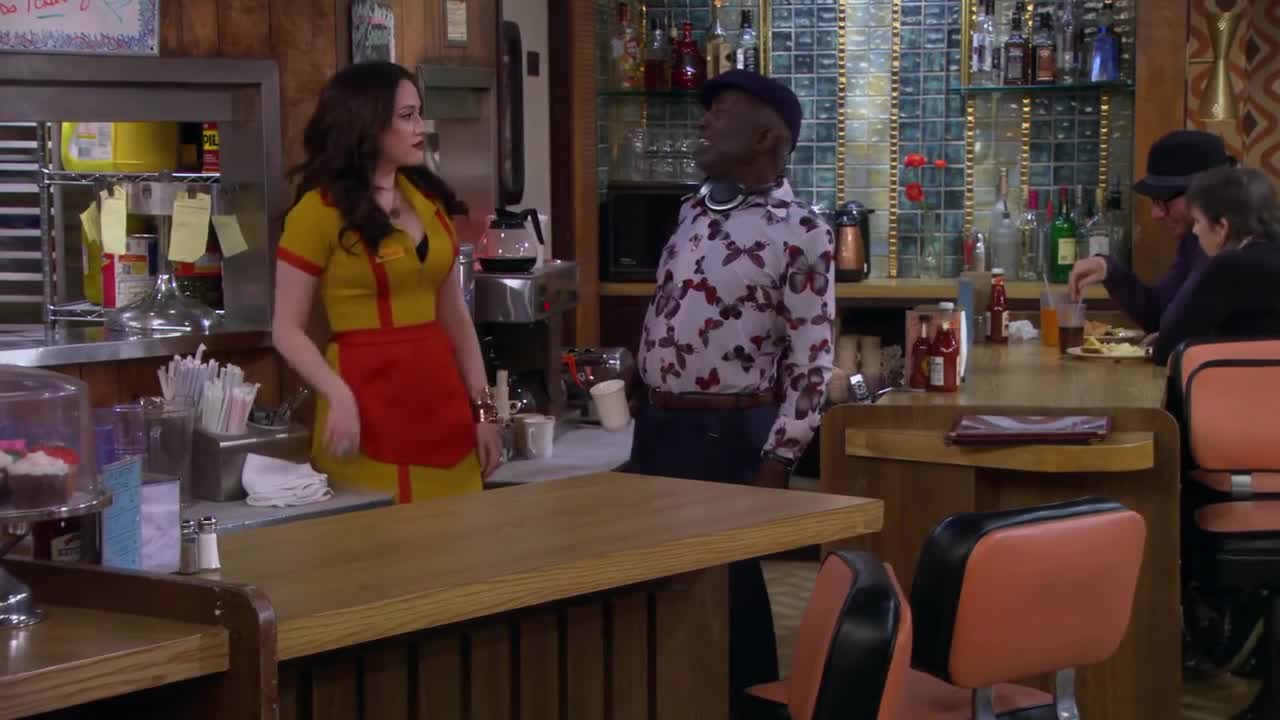
[The Burden of Wealth: Navigating Class Dynamics and Authenticity in Relationships]-[Deke Breaks Up with Max | 2 Broke Girls]
📋 Summary
The Burden of Wealth: Navigating Class Dynamics and Authenticity in Relationships
The Illusion of Equality and the "Monopoly Man" Persona
The podcast transcript explores the complex psychological and social barriers that emerge when a significant wealth disparity enters a friendship. Deke, having come into a "major money," attempts to bridge the gap between his newfound status and his friends’ working-class reality. However, his initial approach is perceived as performative and detached. Caroline aptly identifies his behavior as an act, noting that he is playing the role of the "monopoly man." This tension highlights how money can create a "veil" that obscures genuine connection, making authenticity difficult to maintain when one party is perpetually aware of the other’s financial influence.
Materialism as a Tool for Validation
In an attempt to prove he is not a "cartoon rich guy," Deke engages in a "shopping spree," distributing gifts to the diner staff. His actions—buying a 12-pack of batteries or a box of Godiva chocolates—serve as a clumsy attempt to normalize his wealth. Yet, this backfires spectacularly. Max, who views herself as someone who is "like welfare" and must be "broke to get some," remains deeply skeptical. She interprets his spending not as a gesture of kindness, but as an attempt to buy influence or affection. By purchasing Big Mary as a "lab partner" with calendars, Deke reinforces the very power dynamic he claims to despise, proving that money often commodifies relationships rather than deepening them.
The Conflict of Financial Values
The divide between Max and Deke is fundamentally rooted in their differing philosophies regarding financial security. Max, conditioned by a life of scarcity, views the "measly million" as a life-changing opportunity. She envisions a future where she can "quit the diner" and potentially triple her capital through risky investments. Conversely, Deke treats the money with a cavalier attitude, essentially trying to "buy" Max’s understanding. Max’s refusal to accept this dynamic—labeling herself not a "high-priced call girl"—demonstrates her desire for agency. She refuses to be defined by his financial handouts, insisting that their relationship must be based on equality rather than his ability to provide.
The Inevitability of Disconnection
The climax of the conflict arrives when Deke realizes that his attempts to show Max who he truly is have failed. He laments that Max "only see[s] me as my money," and that despite his efforts to shed his "Richie Rich" image, he remains a "joke" in her eyes. The realization that "it's not going to work with us" serves as a sobering conclusion to the experiment of mixing wealth with a struggling, working-class dynamic. The transcript captures a poignant reality: when wealth becomes the central focus of a relationship, the human element—the shared history, the "pastry school" dreams, and the simple camaraderie—is inevitably eclipsed by the weight of socioeconomic disparity. Deke’s final admission confirms that even when the money is returned, the damage to the relational foundation caused by the perception of wealth is often irreparable.

Deep Learning with ListenLeap


