
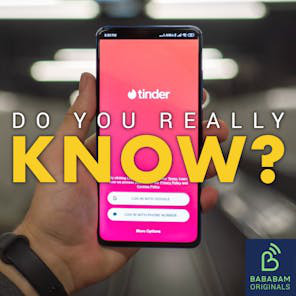
[The Digital Evolution: How Friendship Apps Are Reshaping Social Connection]-[How have dating apps broken into the friendship market?]
📋 Summary
The Digital Evolution: How Friendship Apps Are Reshaping Social Connection
The Pandemic Catalyst and the Loneliness Crisis
The global landscape of social interaction underwent a seismic shift due to the COVID-19 pandemic. As the podcast highlights, the pandemic’s most significant indirect impact was on "people's mental health." With restricted social interactions, a pervasive "feeling of loneliness" swept across the globe. This isolation created an urgent, heightened desire for human connection, leading people to seek out friendships with renewed vigor. Data from platforms like Tinder suggests that even during lockdown, the "average number and length of conversations increased," proving that the human drive for connection remained resilient despite physical barriers.
Breaking Into the Friendship Market
While dating apps were originally designed to facilitate romantic pursuits, they have successfully "broken into the friendship market." This transition allows for the formation of "platonic relationships" through digital interfaces. The podcast cites Bumble as a primary example; although it began as a "female-centric dating app," it pivoted in 2016 by launching a "BFF mode" specifically for women seeking female friendships.
This trend is not entirely new, as evidenced by Meetup, which emerged in 2002. Meetup has grown significantly, boasting "58 million users in 193 countries" by 2022. Today, the market has expanded to include a "plethora" of dedicated platforms such as Yubo, Peanut, and Wink, reflecting a broader societal shift toward digital social networking.
The Mechanics of Platonic Matching
Friendship apps largely mirror the architecture of dating platforms, utilizing the "swipe right, swipe left logic" that has become ubiquitous in the digital age. However, the podcast notes a crucial evolution in this model: these apps place "less emphasis on physical appearance." Instead, the matching algorithms prioritize compatibility. Users are prompted to "answer questions and provide their interests," allowing the software to pair individuals based on shared hobbies and values. Beyond interests, the matching process incorporates "location and education" to ensure relevancy. Some platforms go a step further, suggesting specific activities to help newly matched users transition from digital chat to "real life" interactions.
Why Adults Turn to Digital Connections
There are several strategic reasons why adults are increasingly turning to technology to build their social circles.
-
The Difficulty of Organic Connection: As individuals age, the organic formation of friendships—which often occurred effortlessly during "school or uni"—becomes more challenging. The podcast notes that adult life is frequently "packed with work and family commitments," rendering the time required to build new social bonds a "luxury."
-
Navigating New Environments: Moving to a new town or city can be an "intimidating" experience. Apps like Nextdoor have become popular tools for navigating these transitions, providing a convenient way to integrate into a new community.
-
Health and Digitalization: Since the onset of the pandemic, individuals have become more "conscious about meeting people face-to-face for health reasons." Consequently, socializing has followed the path of work and education, becoming "increasingly digitalised."
Conclusion: A Human Necessity
Ultimately, social connection is defined as a "human necessity." Just as digital apps have been instrumental in helping people find romantic partners, they are now essential tools in "creating and sustaining friendships." By leveraging technology, people are overcoming the hurdles of modern adulthood and the lingering effects of global isolation to find the community they crave.
Deep Learning with ListenLeap


