
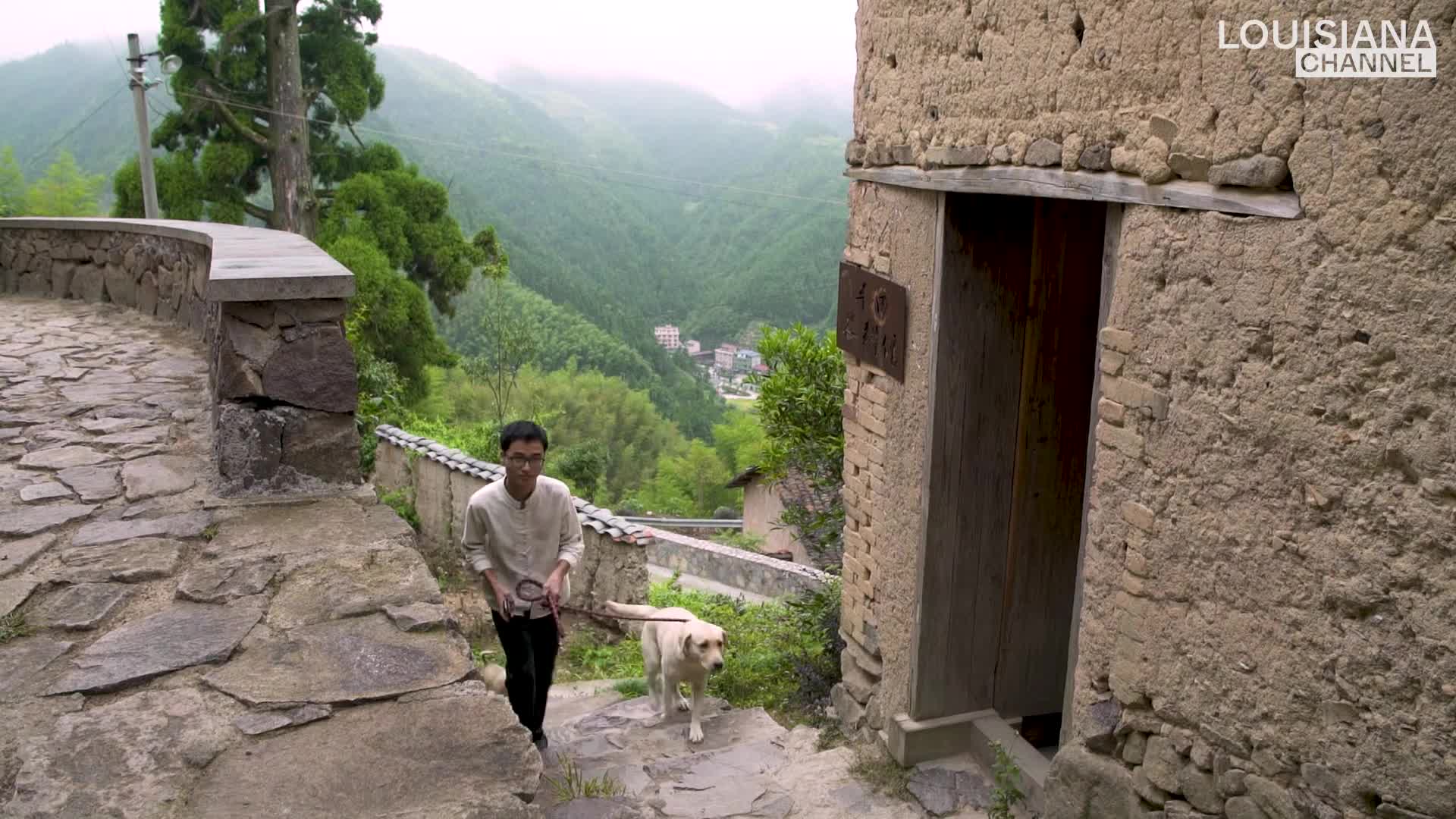
[Architectural Acupuncture: Redefining the Role of Architecture in Community Revitalization]-[Chinese architect Xu Tiantian: Beauty in Itself Is Dangerous]
📋 Summary
Architectural Acupuncture: Redefining the Role of Architecture in Community Revitalization
The Shift from Monumentalism to Human-Centric Design
Traditional architectural education and mainstream practice have long prioritized the creation of "large-scale high-rise" structures and "monuments." This era of "star architecture" focused heavily on physical volume and the architect's individual ego. However, contemporary global challenges—ranging from climate change to social disparity—demand a fundamental shift. As discussed in the podcast, the modern approach must move away from "what I could make" toward "what architecture can do." Architecture should not be for the architects, but for the people, fostering "involvement and the ownership of the local people" to restore confidence and revive local heritage.
The Philosophy of Architectural Acupuncture
To address social and environmental urgency, the concept of "architectural acupuncture" has emerged as a transformative methodology. Much like the medical practice of acupuncture, which identifies symptoms to provide precise treatment, this architectural approach begins with a "diagnosis." It involves:
- Minimal Intervention: Instead of imposing alien, large-scale structures, architects work with "local available materials, elements and cultural contexts."
- Healing the Fabric: The goal is to "release a blocked energy" within a village or community, stimulating circulation and overall well-being.
- Contextual Growth: Projects are designed to grow within the village rather than being imported from the outside. By tailoring the design to the local heritage, the architecture becomes a catalyst for local pride and motivation.
Beyond Buildings: Architecture as a Catalyst for Initiative
One of the most profound aspects of this method is that the completed building is not the "end." Instead, it serves as a starting point for continuous community-led initiatives. The podcast highlights how "villagers will start a small restaurant, a small shops or new businesses" following these acupuncture interventions. A prime example is the "tofu factory" project, which was repurposed into an educational hub for families, generating essential revenue while strengthening the local cultural program. By viewing architecture as an engagement tool, the design invites the community to redefine how they utilize their own spaces.
Rethinking Space and Nature
Architecture need not always mean constructing a new building. The practice advocates for looking at "abandoned quarry space, abandoned vernacular structures, ruins as well, abandoned production facilities" as potential architecture. This redefinition challenges the traditional need to "isolate you from the nature." In many regions, the climate allows for open-air living, where the "monument of the nature itself" is more significant than any man-made structure. By questioning the necessity of large-scale programs, architects can move into the "early phase in the decision-making phase" to ensure that interventions are scale-appropriate and truly necessary.
The Pragmatic Definition of Beauty
Finally, the podcast addresses the "tricky word" of beauty in architecture. The speaker argues that beauty in isolation is "quite dangerous" if it ignores practical, social, or environmental perspectives. True beauty is found in the "vernacular way of building things," which is often "spontaneous and practical and economic."
Ultimately, beauty is defined by functionality and longevity: "something that is working, something that can really work, something practical and that can pass through generations." By "working with the necessity," architecture achieves a simplicity that is inherently beautiful because it is rooted in local identity and sustainable utility. Through this lens, architecture ceases to be a static monument and becomes a living, breathing component of human society.

Deep Learning with ListenLeap


