
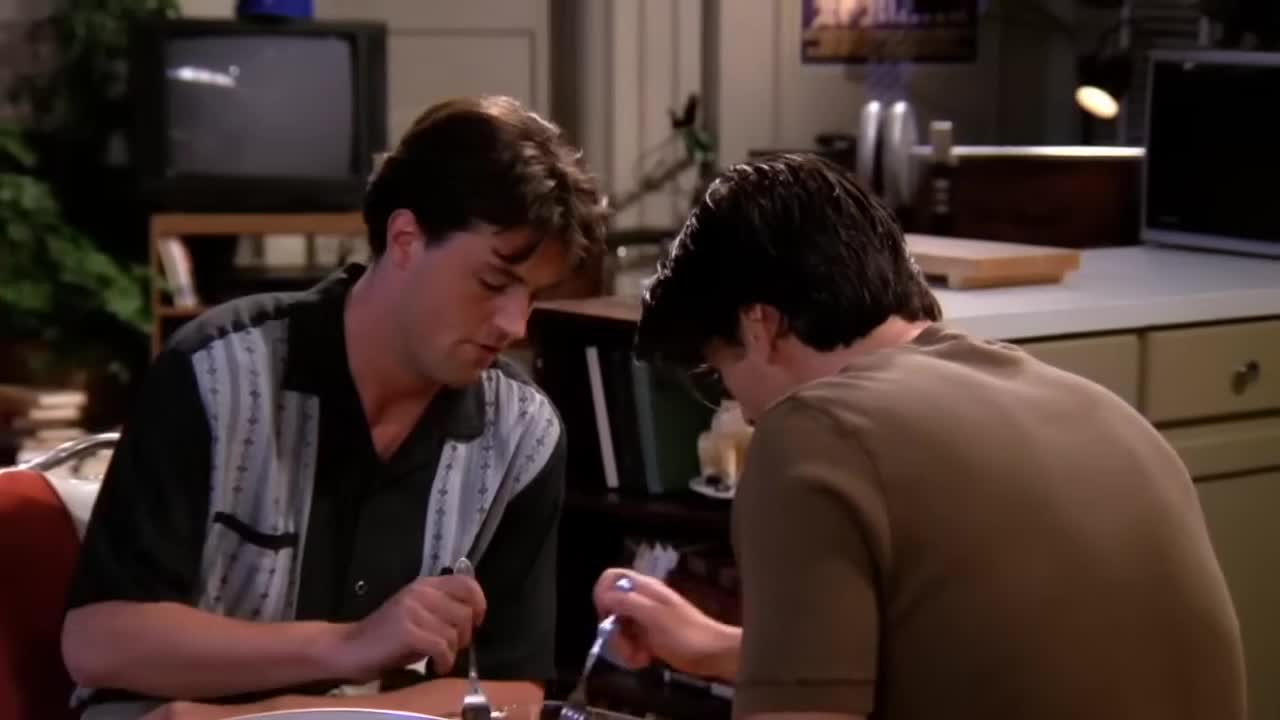
[The Dynamics of Roommate Relationships and Opportunistic Romance]-[Chandler and Joey Finally Go Furniture Shopping | Friends]
📋 Summary
The Dynamics of Roommate Relationships and Opportunistic Romance
The Table Dilemma: Navigating Shared Responsibilities
In this segment, the roommates grapple with the mundane yet contentious issue of purchasing a new piece of furniture. The dialogue begins with a dispute over financial accountability following damage caused by a "breakfast adventure with Angela Del Vecchio." The tension highlights the underlying anxiety regarding shared commitments. When the suggestion to "buy it together" is proposed, it triggers a defensive reaction rooted in past trauma—specifically, the "ugly" experience with a former roommate named Kip. This illustrates how previous domestic failures can impede future collaboration, as one party fears the "big commitment" of joint ownership, questioning, "what if one of us wants to move out?"
Aesthetic Conflict and Compromise
The process of choosing a new table serves as a microcosm for the friction inherent in living together. The disagreement over whether to select furniture featuring "birds" or "ladybugs" reveals a fundamental mismatch in aesthetic preferences. One roommate dismissively argues that birds "don't say, hello, sit here, eat something," while the other sarcastically critiques the choice of "big red insects" as a symbol for "fine dining." The eventual resolution—to simply "eat at the sink"—underscores a shift from seeking perfection to prioritizing peace, highlighting the absurdity that often characterizes roommate compromises.
The "Anti-Paolo" Strategy: Opportunism in Romance
The conversation shifts from domestic logistics to the calculated pursuit of a romantic interest, Rachel, following her breakup with Paolo. The group adopts an almost tactical approach to dating, advising Ross to "swoop in" while she is "distraught." The rhetoric used is highly strategic, suggesting that Ross must position himself as the "anti-Paolo." This strategy is framed as a necessary maneuver to "pick up the pieces" and "usher in the age of Ross." The use of competitive gaming metaphors, such as "kicked your butts" and "Olympic stand," reflects the immature and opportunistic spirit with which the friends view this romantic window of opportunity.
The Encroachment of Social Boundaries
The final segment of the dialogue highlights the friction caused by constant social presence within a private living space. As the clock strikes "2:30 in the morning," the resident finally demands that the visitors "get out," noting that they are "always hanging out in my apartment." The refusal of the guests to leave, coupled with their taunts of calling the resident "wussies," emphasizes the struggle between maintaining close-knit social bonds and preserving personal boundaries. The refusal to respect the late hour showcases a lack of awareness regarding the necessity of personal space, even among the closest of friends.

Deep Learning with ListenLeap


