
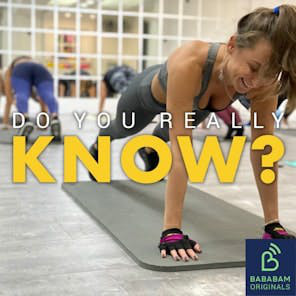
[The Phenomenon of Exercise-Induced Orgasms: Understanding the 'Corgasm']-[Can women really get a core-gasm from exercise?]
📋 Summary
The Science and Reality of Exercise-Induced Orgasms
While the podcast transcript includes promotional segments for Lululemon’s "Align No-Line Pant" and Mint Mobile’s "Unlimited Premium Wireless" plans, the core educational content focuses on a fascinating biological phenomenon: the "corgasm."
Defining the Corgasm
Can exercise truly lead to a climax? According to the discussion, the answer is yes. The term "corgasm" serves as an alternative name for an exercise-induced orgasm, distinguishing it from sexual stimulation. Unlike a typical orgasm triggered by the stimulation of "erogenous zones," a corgasm is described as an "internal phenomenon that occurs within a woman's body."
Historical and Experiential Context
The concept is not a new discovery. The podcast notes that renowned sexologist Dr. Alfred Kinsey first documented links between exercise and orgasm in his 1953 book, Sexual Behavior in the Human Female. More recently, the phenomenon gained public attention in 2020 when Holly Page shared her experience on Medium. Reports on such experiences, such as those from VeryWellFit, suggest that the sensation "started internally and bubbled outward," contrasting with the surface-level stimulation associated with a "clitoral orgasm."
The Physiology of Pleasure
The mechanism behind this experience is rooted in anatomy. Experts suggest that the sensation originates from the "core and pelvic musculature" rather than the nerve endings surrounding the genital area. This internal engagement is the primary driver of the response.
Activities That Trigger the Response
Which exercises are most likely to induce this state? A 2011 Indiana University study, published in the Journal of Sexual and Relationship Therapy, surveyed 370 women to identify the activities most commonly associated with these experiences:
- Abdominal Exercises: These top the list because they heavily engage the "perineum and pelvic floor."
- Weight Lifting: Specifically, movements like "upper body planking" were found to stimulate the perineum.
- Other Activities: The study also listed yoga, cycling, running, and hiking as potential triggers.
Prevalence and Scientific Significance
Perhaps the most surprising takeaway is the frequency of this occurrence. The study suggests that "40% of women" have experienced this "peak of pleasure." Debbie Herbenick, who served as co-director of the Center for Sexual Health Promotion at Indiana University, highlighted the significance of these findings. She noted that such data indicates "orgasm is not necessarily a sexual event," providing valuable insight into the "bodily processes underlying women's experiences of orgasm."
In conclusion, the corgasm remains a legitimate, albeit internal, physiological response to intense physical activity, proving that the human body’s capacity for pleasure extends well beyond traditional sexual contexts.
Deep Learning with ListenLeap


