
[The Invisible Mountain: Understanding the Limits of Emotional Change in Relationships]-[Can Our Partners Change?]
📋 Summary
The Invisible Mountain: Understanding the Limits of Emotional Change in Relationships
The Paradox of Capability
In many relationships, we are frequently haunted by the question: "Why can't they change?" This frustration is compounded by the fact that our partners are often highly intelligent individuals. They possess the capacity to "follow arguments," "communicate in fairly sophisticated ways," and succeed in professional environments. Because they demonstrate competence in these areas, we assume that simple, "elemental" emotional requests—such as being more reliable, initiating intimacy, or expressing affection—should be easily adopted. When they fail to do so, we perceive it as a lack of effort or a stubborn refusal, which only intensifies our "puzzlement and pain."
The Absence of Visible Markers
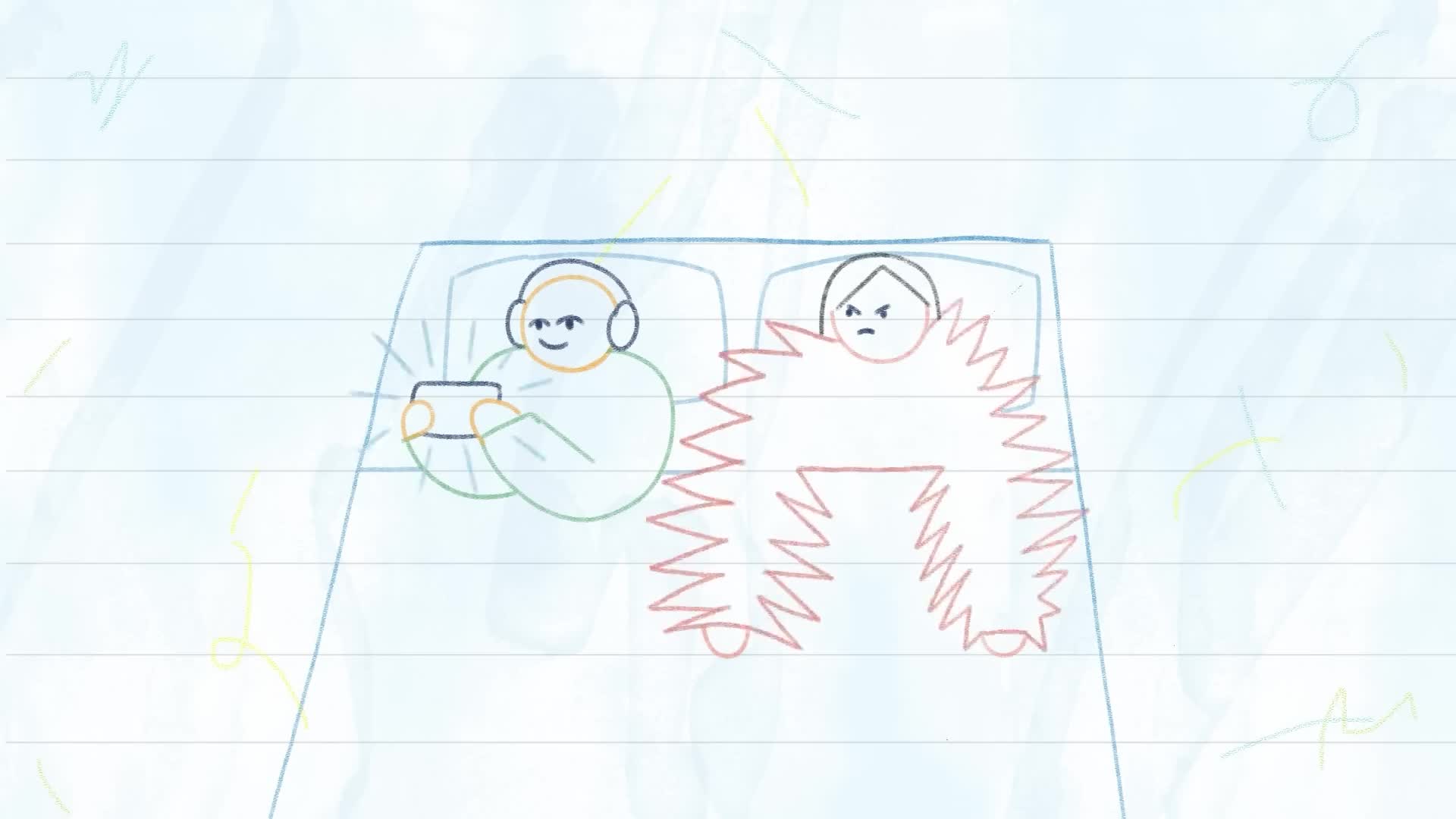
The core of our suffering lies in our inability to perceive the "effort required to change psychologically." In the physical world, we understand that climbing "K2" or lifting a heavy object requires immense physical exertion. We recognize our limitations and do not expect the impossible. However, in the emotional realm, "there are no visible markers of challenge." We assume that because a request seems simple to us, it must be simple for them. We fail to realize that for some individuals, expressing vulnerability—such as saying "I can't live without you"—is "as much of a challenge as would be lifting up a tree with one's little finger."
The Architecture of Character
To understand why change is so difficult, we must look beyond the present moment. We often ignore the "decades" of development that "moulded them into who they are now." Like "the patience of water shaping stone," early life experiences—such as parental abandonment or long-term emotional undermining—shape a person's "wiring of their soul." Character is described as being "as tough as catgut and as hard to alter as muscle." This emotional assembly is entirely distinct from "intelligence in the standard sense." Even if someone is intellectually capable of understanding an argument, their emotional DNA remains rigid, functioning in ways that were once necessary adaptations for survival.
Dignifying Our Struggles
We often add to our own suffering by assuming our partners are being "willful" or that they are acting out of "spite." By reframing these difficulties, we can "dignify our problems." We are not facing a minor character flaw; we are facing "one of the central tripwires of existence." The differences between us are as "concrete and as unbudgeable" as the "pyramids of Giza." To truly change a person, one would essentially need a "time machine" to provide them with an entirely different upbringing.
Conclusion: Accepting the Impossible
Ultimately, recognizing that we cannot "retool emotional DNA with our bare hands" is not an admission of failure, but an act of clarity. When we realize that the changes we demand are equivalent to "bending the laws of time and space," we can stop blaming our partners for their perceived stubbornness. Whether we choose to stay or leave, we must acknowledge that our efforts were noble and our struggle was normal. We were not fighting a battle against a person; we were fighting against the profound, deep-seated reality of how human beings are constructed.
Deep Learning with ListenLeap


