
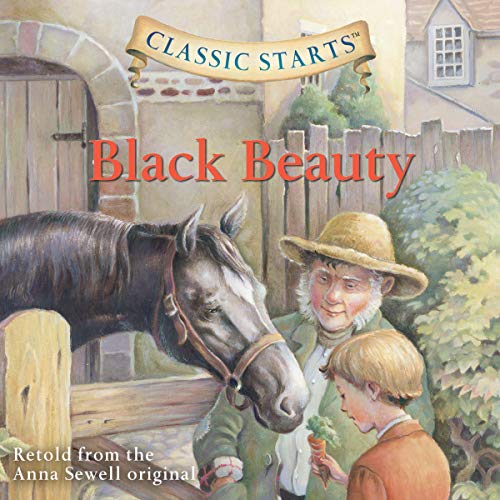
[The Tragic Consequences of Negligence: A Summary of Reuben Smith’s Final Ride]-[Black Beauty - Part 11]
📋 Summary
The Shift in Character
In Chapter 10, the narrative centers on Reuben Smith, a man initially described as "very smart" and "gentle" with the horses, trusted to manage the stables in Mr. York’s absence. However, the story takes a dark turn during a trip to town in April. While the horse was being prepared for the journey home, a worker discovered a "loose nail" in one of the horse's front shoes. Typically, a man of Smith's caliber would have addressed this immediately; instead, he chose to ignore it, claiming the horse would be "fine till he got home." This uncharacteristic decision marked the beginning of a catastrophic series of events.
The Influence of Alcohol and Recklessness
Smith’s behavior deteriorated rapidly after he left the stable to meet friends. When he returned at nine o'clock, he was in a "bad mood," yelling at both the stable hand and the owner. His voice was described as "loud," a stark contrast to his usual demeanor. It became clear to the observers later that Smith had been "drinking in town," a "cursed drink" that compromised his judgment and empathy. His recklessness pushed the horse into a "full gallop" on dark, stony roads, despite the obvious danger of a loose shoe.
The Fatal Accident
As they traveled, the loose shoe inevitably came off. Despite the horse's vulnerability, Smith ignored the "large, sharp stones" and continued to hit the horse with his "whip," demanding even greater speed. The horse, suffering from a "broken and split" hoof and agonizing pain, eventually "stumbled and fell down hard on my knees," throwing Smith from his back. While the horse managed to limp to the side of the road, enduring the "great pain" in silence—as is the nature of horses—Smith lay motionless on the road. When rescuers arrived, they found that Smith was dead, concluding that he had likely been thrown due to his own intoxication and negligence.
Aftermath and Reflection
The aftermath of the night was grueling for the injured horse. The rescuers recognized the horse’s suffering, noting, "His knees are bleeding and his hoof is cut to pieces," and correctly blaming Smith for the lack of care. The horse was forced to endure a painful three-mile walk back to the stable, where he was eventually treated with "wet bandages" and medicinal wraps. The chapter concludes on a somber note, reflecting on the profound tragedy caused by Smith’s lapse in judgment. The horse’s suffering and the loss of Smith’s life serve as a poignant reminder of how "cursed drink" can destroy both man and beast, leaving behind only pain and regret.

Deep Learning with ListenLeap


