
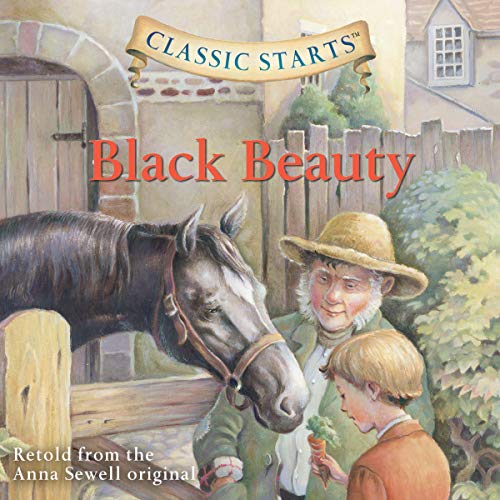
[The Burden of Fashion: A Struggle Against the Bearing Rein]-[Black Beauty - Part 10]
📋 Summary
The Struggle for Comfort: Life Under the Bearing Rein
A New Beginning and the Warning of the Past
The narrative begins with a transition, as the horses—the narrator and Ginger—are moved to a new home at Earl Shull Park under the care of Mr. York. Their former caretaker, John, provides a critical assessment of the horses to the new coachman, emphasizing that they are a "better pair of horses in the whole country." John’s advice is rooted in kindness: the narrator has "never heard a harsh word or been hit in his life," while Ginger is described as a "brown chestnut" who may "act mean" if "mistreated." Crucially, John warns against the use of the "bearing rein," noting that the "gag bit" was the source of Ginger’s previous "bad temper." Despite this, the new master, Lord, and his wife prioritize "style," leading to the mandatory implementation of the very device John warned against.
The Tyranny of Vanity
The conflict escalates as the lady of the house imposes her aesthetic demands over the welfare of the animals. Despite the coachman’s initial hesitation, the lady insists that the horses' heads be held higher, stating, "You must put those horses' heads higher. They look awful." This marks the beginning of a physical and psychological ordeal for the horses. The narrator describes the immediate consequences of the tightened rein: "I wasn't able to put my head down," and as the ride continues, the pressure on his back and legs during a "steep hill" becomes agonizing. The bearing rein is not merely a tool for control; it is a manifestation of "fashion," which the horses recognize as a source of unnecessary suffering.
Resistance and Consequences
Ginger, possessing a more spirited nature, refuses to suffer in silence. She warns, "If they make my head go up any higher, I will fight it." Her defiance reaches a breaking point when the lady demands they "raise them the whole way now." The resulting struggle is violent; Ginger rears up, knocks over the carriage, and suffers significant injury. The aftermath highlights the divide between the staff and the masters: the groomers correctly observe that "if Our Lady hadn't insisted on those bearing reins being so tight, this never would have happened." While Ginger is eventually removed from carriage duty, the narrator is left to endure the "sharp bit on my tongue" and the "high tilt" of his head, which makes it "hard for me to breathe."
The Cost of Human Fashion
The narrative concludes with a poignant reflection on the disconnect between human vanity and animal welfare. Through conversations with another horse named Max, the narrator learns that even the "doctors" acknowledge that the bearing rein is "bad for the horses, but good for fashion." The narrator’s experience during those "four long months" of constant strain serves as a testament to the pain caused by human ignorance and ego. He laments the loss of his old life, where John and his previous master acted as "friends" who looked out for him, contrasting it with his current state where he feels "worn out and sad," trapped by the rigid demands of high-society expectations.

Deep Learning with ListenLeap


