Just So.
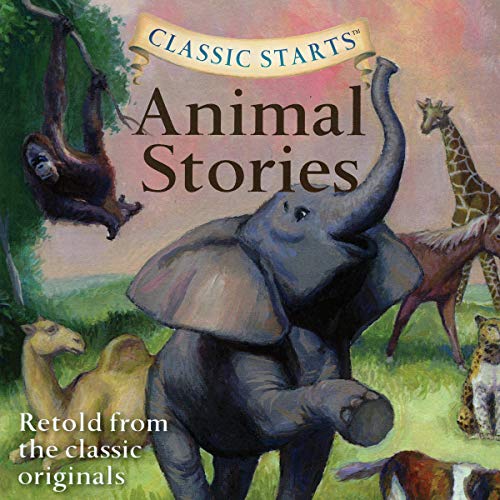
Stories by Rudyard Kipling, Chapter 1 How the Elephant Got His Trunk.
Long ago, in far-off times, the elephant had no trunk.
He had only a blackish, bulging nose.
It was as big as a boot and he could wriggle it from side to side, but he could not pick up things with it.
There was one elephant, a new elephant, named the Elephant's Child.
He was full of insatiable curiosity, which means he asked ever so many questions.
He lived in Africa.
He bothered all of Africa with his questions.
He asked his tall aunt, the ostrich, why her tail feathers grew just so.
Ostrich bopped him with her hard, hard claw.
He asked his tall uncle, the giraffe, what made his skin so spotty.
Giraffe bopped him with his hard, hard hoof.
Still the elephant's child was curious.
He asked his broad aunt, the hippopotamus, why her eyes were red.
Hippopotamus bopped him with her broad, broad hoof.
He asked his hairy uncle, the baboon, why melons tasted just so.
Baboon bopped him with his hairy, hairy paw, and still elephant's child was curious.
He asked questions about everything he saw or heard or felt or smelled or touched.
All of his uncles and his aunts bopped him, and still he was full of satiable curiosity.
One fine morning, in the middle of a great parade, the elephant's child thought of a brand new question.
"'What does the crocodile have for dinner?' he asked.
"'Hush!' everyone hissed in a dreadful tone.
Then they bopped him and bopped him for a good long time until he was very warm and greatly surprised.
The elephant's child ran off crying into the jungle.'
He came upon a Colicola bird sitting in the middle of a thorn bush.
Why are you crying? asked the Colicola bird.
Everyone has bought me for my sensual curiosity, but I still want to know what the crocodile has for dinner.
Go to the banks of the great gray-green greasy Lompopo River.
You'll find out there, the Colicola bird told him.
The next day the elephant's child took a hundred pounds of bananas the short red kind and a hundred pounds of sugarcane the long purple kind and seventeen melons the green crackly kind.
He carried them in a sack.
"'Good-bye, dear family.
I am going to the great gray-green greasy Lombompo River.
I must find out what the crocodile has for dinner,' he said."
They all bopped him once more, for luck, even though he most politely asked them to stop.
The elephant's child went from town to town and county to county.
All the way he ate melons and left the rinds because he could not pick them up.
He traveled for many days and many nights, and last he came to the great gray-green, greasy Limpopo River.
The first thing he found was a two-colored python rock snake curled around a rock.
Excuse me, said the elephant's child.
Have you seen such a thing as a crocodile, and do you know what he has for dinner?
The two-colored python rock snake uncoiled himself from the rock.
He bopped the elephant's child with his scalesome, flailsome tail.
Why does everyone bop me for my satiable curiosity, the elephant's child wondered.
Now he was more determined than ever to find out what the crocodile eats for dinner.
So the elephant's child went right up to the great gray-green, greasy Limpopo River and sat down on a log.
But it was not a log.
It was really the crocodile.
The elephant's child did not know this, and the crocodile winked one eye at the elephant's child.
Did you happen to see a crocodile near the great green greasy Lepopo River?
Asked the elephant's child most politely.
The crocodile winked the other eye.
He lifted his tail out of the mud.
The elephant's child stood up and stepped back.
He did not wish to be bopped again.
Ah, come here, little one, said the crocodile.
Why do you ask such things?
Excuse me, said the elephant's child, eyeing the crocodile's tail.
I have been bopped by my father, by mother, by tall aunt, by tall uncle, my broad aunt, my hairy uncle and the two-colored python rock snake.
All because I want to know what the crocodile has for dinner.
But I do not want to be bopped anymore.
Come closer.
I am the crocodile you were looking for.
He wept crocodile tears to show it was true.
The elephant's child kneeled down beside the riverbank.
Will you please, please tell me what you have for dinner?
He asked with excitement.
I'll come closer still, little one, and I'll whisper it to you, the crocodile said.
Then the elephant's child put his head down close to the crocodile's musky, tusky mouth.
The crocodile caught him by his little blackish, bulging nose, which up until that moment had been no bigger than a boot.
I think, the crocodile hissed between his teeth, that today my dinner shall be...
Let go, you're hurting me, the elephant child cried.
Just then the two-colored python rock snake slithered down from the bank.
He whispered into the elephant child's ear.
Ah, young friend, you must pull as hard as you can, immediately and at once, or else the crocodile will eat you up.
The two-colored python rock snake advised.
So the elephant's child sat back on his little hind legs.
He pulled and he pulled and he pulled.
His nose began to stretch.
Then the crocodile swished his mighty tail and he pulled and he pulled and he pulled.
The elephant's child's nose kept on stretching and stretching.
Now his nose was nearly five feet long.
Just then the two-colored python rock snake knotted himself around the elephant's child's back legs.
He pulled, and the elephant's child pulled, and the crocodile pulled the other way.
But the elephant's child and the python rock snake pulled the hardest.
At last the crocodile let go of the elephant's child's nose.
It dropped with a thud that could be heard all up and down the great gray-green, greasy Limpopo River.
"'Oh, no!' cried the elephant's child.
"'My nose is ruined!'
'Some people don't know a good thing when it is as plain as the nose on their faces' said the two-colored python rock snake.
'At first the elephant's child did not know what the two-colored python rock snake meant, but then a bee stung him on his shoulder'.
Before he knew what he was doing, the elephant's child used his trunk to swat the bee away.
See, you couldn't have done that with a mere smear nose, said the python rock snake.
That's true, realized the elephant's child.
Then, with his new nose, he plucked a large bundle of grass from the ground and stuffed it into his mouth.
See, you couldn't have done that with a mere smear nose, the python rock snake pointed out.
True again, said the elephant's child as he chewed on the sweet bundle of grass in the hot jungle sun.
Before he realized what he was doing, the elephant's child scooped up a great big glob of mud from the banks of the great gray-green-greasy Limpopo River.
He slapped it on his head.
It made a cool, sloshy mud cap that trickled down behind his ears.
"'Ooh, that feels good,' the elephant's child said.
"'See, you couldn't have done that with a mere smear-nose.'
How do you feel about being bumped again?
I should not like that at all, said the elephant's child, raising his very long and stretched out nose in the air.
Well, you will find that your brand new nose will be very useful to defend yourself with the two-colored python.
Rock snake said.
So the elephant's child went home across Africa, flapping and waving his trunk along the way.
He was careful to pick up all the melon rinds he had tossed on his trip to the great gray-green, greasy Limpopo River.
After all, he was a tidy elephant's child.
When the elephant's child got home, everyone told him how ugly his new nose looked.
They wanted to bop him again for his satiable curiosities.
The elephant's child had had enough.
He bopped all his dear family for a very long time until they were very warm and greatly surprised.
The rest of the family was so jealous of the elephant's child.
They now wanted noses like his for bopping, so they each went off in a great hurry to the banks of the great gray-green greasy Lampopo River, so that the crocodile could give them new noses too.
And that is how the elephant got his trunk.