
[The Rhythmic Muse: How Music Shapes Angie Thomas’s Storytelling]-[Angie Thomas Shares Her Playlist]
📋 Summary
The Rhythmic Muse: How Music Shapes Angie Thomas’s Storytelling
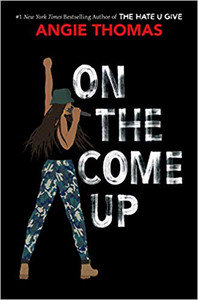
In this special bonus edition of the Book Club for Kids, host Kitty Felde sits down with acclaimed author Angie Thomas to pull back the curtain on the creative process behind her novel, On the Come Up. While young readers frequently inquire about the origins of an author’s inspiration, Thomas reveals a unique and deeply personal source: a meticulously curated musical playlist.
The Hip-Hop Tapestry
For On the Come Up, Thomas did not rely on a single style of music. Instead, she constructed a comprehensive sonic landscape that spans the history of the genre. Thomas explains, "I started out with the very old school with Rapper's Delight by Sugarhill Gang and I went all the way to Cardi B." This range was intentional. By listening to both the "old stuff" and the "new stuff," Thomas aimed to capture the multifaceted nature of the culture she was writing about.
Her dedication to the craft goes beyond simple background noise. Thomas notes, "I love hip-hop. I love the variations of hip-hop. There's so many different styles and many cultures within hip-hop itself." By immersing herself in these sounds, she sought to achieve two primary goals: to authentically "craft Bree and her world" and to "pay homage to the genre in as best of a way as I could."
The Interlude Method: Writing vs. Listening
One of the most intriguing aspects of Thomas’s process is her specific relationship with music while drafting. While many writers claim to be fueled by constant background noise, Thomas admits that she cannot write while listening to music with lyrics. She confesses, "I tried it once and I started writing the lyrics out."
Instead, she employs what she calls "interludes or intermissions." Music serves as a functional tool rather than a constant companion. She utilizes these sessions to "pump myself up" before starting a writing session or to break through creative blocks. When she finds herself "stuck writing," she turns to her playlist to reset her creative momentum, treating music as a rhythmic palate cleanser that prepares her to return to the page with a fresh perspective.
Resources for Young Readers and Educators
Beyond the insights into Thomas’s writing process, the episode serves as a hub for educational resources. With many families navigating home-based learning, host Kitty Felde highlights bookclubforkids.org as a repository for "free resources" and over 100 episodes of literary discussion.
For educators and parents "scrambling for Teach at Home Help," the site provides extensive support, including free curricula and specific worksheets for classics like Natalie Babbitt’s Tuck Everlasting. Furthermore, the podcast encourages active participation from its audience. By inviting young readers to send in "voice memos" detailing their favorite books, the show aims to foster a community of readers, turning the podcast into a collaborative space where children can share their literary passions.
Expanding the Literary Horizon
Finally, the episode introduces listeners to broader storytelling efforts, such as The Fina Mendoza Mysteries. This series serves as an innovative tool for civic education, using the perspective of a congressman’s daughter to explain complex political processes like how Congress "hammer out a stimulus package."
Ultimately, this bonus edition underscores the idea that inspiration is rarely singular. Whether it is the rhythmic beats of hip-hop guiding a novelist’s hand or the curiosity of a child exploring political mysteries, the episode emphasizes that storytelling—in all its forms—is a process of paying homage to the cultures and systems that shape our world.
Deep Learning with ListenLeap


