
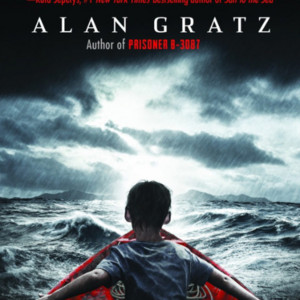
[The Emotional Weight of Writing 'Refugee': An Interview with Alan Gratz]-[An Interview with Writer Alan Gratz]
📋 Summary
The Emotional Toll of Crafting 'Refugee'
In this bonus edition of The Book Club for Kids, host Kitty Felde delves into the intense creative process behind Alan Gratz’s acclaimed novel, Refugee. The book, which follows the harrowing journeys of children fleeing political oppression and violence, is acknowledged by Felde as a "tough read"—so intense that even adult readers may find themselves needing to "put it down a few times."
The Emotional Burden on the Author
When asked about the difficulty of tackling such heavy subject matter, Alan Gratz candidly admits that the project was "a really hard book to write emotionally speaking." While the technical aspects of the work—the research and the structural creation of the narrative—were demanding, the true challenge lay in the psychological immersion required to tell these stories. Gratz describes the experience of being "alone in my office living these kids' lives everyday," an immersion so profound that he often felt the need to seek physical comfort from his own family immediately after work, asking, "where's my family I need a hug?"
The Deconstruction of Family Units
One of the central themes Gratz explores in Refugee is the inevitable erosion of support systems when individuals are forced into exile. Gratz notes that families often "start off strong," but the grueling process of fleeing one’s country causes them to "work apart at the seams." This disintegration is not just a backdrop to the story; it is a primary driver of the narrative's tension.
Gratz emphasizes that the refugee experience "wears on a family" and "pulls people apart." This environmental pressure forces children to undergo a premature maturation process, as they "have to step up and be more of an adult" than they would be under normal circumstances. For Gratz, writing about how these "poor folks" experience their "support system" falling apart as "things fall apart for them" was the most taxing aspect of the entire creative endeavor.
Bridging the Gap to Readers
Felde concludes the segment by directing listeners to BookClubForKids.org, where the full discussion regarding Refugee is available. The platform serves as a hub for young readers to engage with their favorite authors and learn how to participate in the show.
Beyond the serious themes of Refugee, the episode also highlights new creative ventures from the team, specifically the Fina Mendoza Mysteries. This series, set on Capitol Hill, offers a lighter contrast to the heavy themes of Gratz’s work, featuring a "great big orange dog" and a mystery surrounding a "demon cat." This shift from the somber reality of global displacement to the whimsical mystery of Capitol Hill serves as a reminder of the diverse range of storytelling featured on the podcast, all aimed at fostering a love for literature in young audiences.

Deep Learning with ListenLeap


