
[Always Alone: Understanding the Phenomenon of Japan's Hikikomori]-[Always Alone: The Story of Japan's Hikikomori]
📋 Summary
The Silent Isolation: An Analysis of Japan’s Hikikomori Phenomenon
Introduction to the Hikikomori Lifestyle
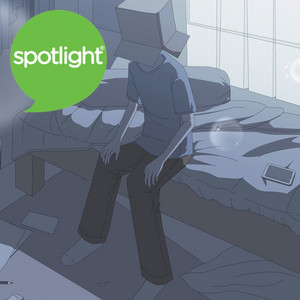
The term "Hikikomori" refers to individuals in Japan who choose to withdraw from society, often isolating themselves for years. As described in the podcast, a typical case involves an individual like "Ito," who spends his days in a room filled with empty food wrappers, avoiding contact with the outside world and depending entirely on his parents for survival. With an estimated one million people living in this state, the phenomenon represents a significant social crisis in contemporary Japan.
The Cultural and Economic Roots of Withdrawal
The podcast highlights that the Hikikomori lifestyle is not merely a choice of laziness, but rather a reaction to profound pain and societal pressure.
The Double-Edged Sword of Family Support
Japan’s traditional family structure, where multiple generations live together, provides a safety net. However, this support system can inadvertently enable isolation. Because a Hikikomori knows their parents will provide food and shelter, they feel no immediate pressure to find a job or attend school, creating a cycle of dependency.
The Impact of the "Lost Decades"
The economic landscape of Japan plays a crucial role. Following the collapse of the economy in 1991—a period known as the "Lost Decades"—the job market shifted dramatically. The promise of lifelong employment vanished, making it difficult for many to secure stable work. As journalist Masaki Ikegami notes, Japanese society makes it exceptionally difficult to succeed after a mistake, and for many, failing to secure a standard career path leads to deep-seated feelings of worthlessness.
The Psychology of Shame and Depression
Central to the Hikikomori experience is a "strong sense of shame." When individuals fail to meet societal expectations, they often internalize this as a personal failure.
- Social Comparison: Individuals like Naohiro Kimura describe the agony of seeing others in nice clothing or working, which triggers feelings of inadequacy and the desire to hide.
- The "Cave" Mentality: The psychological weight of being left behind is profound. Vosad Ikeda described his room as a "cave" where he blocked out the light to avoid the reality that "society was continuing on without me."
- Depression: Many suffer from extreme sadness, feeling that their efforts are futile. This creates a feedback loop where the individual feels even less capable of re-entering society.
The Parental Burden and Societal Stigma
The families of Hikikomori face their own unique struggles. Parents often feel a sense of responsibility but are paralyzed by the social stigma surrounding their children’s lifestyle. Photojournalist Maika Elan observes that many parents fear that seeking professional help would be seen as "getting rid of your responsibility as a parent" or admitting their own failure. This stigma keeps families silent for months or years, preventing early intervention.
Path to Recovery: Beyond Skill-Building
While the Japanese government has introduced programs to teach skills like cooking and provide job opportunities, the podcast argues that these are insufficient on their own.
Recovery is not just about economic utility; it is about social reintegration and emotional validation. The most effective programs are those that help individuals find companionship. As the podcast concludes, those who are lonely or depressed do not just need a job or a doctor; they need "someone who will try and understand them" to alleviate the feeling of being truly alone.
Ultimately, the story of the Hikikomori is a call for a more empathetic society that recognizes the human cost of rigid expectations and the necessity of human connection in overcoming profound isolation.
Deep Learning with ListenLeap


