
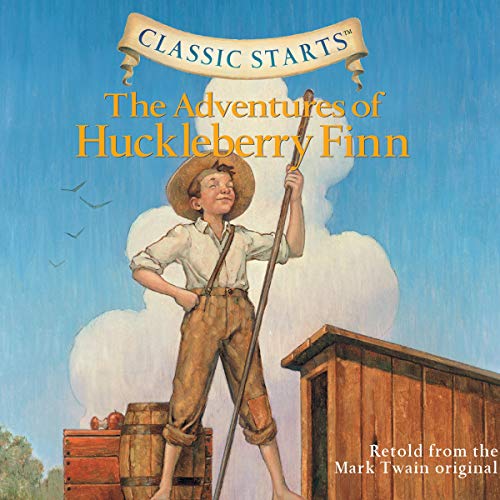
[The Con Artists' Deception: Exploiting Camp Meetings and Theater Scams]-[The Adventures of Huckleberry Finn - Part 12]
📋 Summary
The Art of Deception: Analyzing the King and Duke’s Schemes
In the eleventh chapter of this narrative, we witness a masterclass in manipulation and performative fraud orchestrated by the two central antagonists: the king and the duke. Their journey through small towns serves as a vehicle to explore human gullibility and the ease with which charismatic figures can exploit communal gatherings for personal gain.
The Camp Meeting: Exploiting Religious Fervor
The duo’s first major success occurs at a "camp meeting," a large-scale religious assembly characterized by intense emotional contagion. The atmosphere is described as being filled with people "singing and shouting," creating an environment where logic is easily suspended. The king, demonstrating his talent for improvisation, integrates himself into the event by claiming to be a "changed man" who had been a "pirate for 30 years." By fabricating a narrative of redemption—promising to return to the Indian Ocean to "get them to change their lives"—he triggers a collective emotional response. The audience is so moved that they "burst into tears" and readily "take up a collection." This maneuver earns the king $87.75, proving that emotional manipulation is a highly effective currency in such settings.
The Theatrical Scams: From Shakespeare to Absurdity
The pair’s next endeavor involves the theater. Their initial attempt to perform Romeo and Juliet is a complete failure, described as "awful" and drawing almost no audience. Recognizing that high culture is not the key to their success, they pivot to a strategy rooted in curiosity and exclusivity. The duke creates posters for a show that is "grand" and explicitly states that "ladies and children would not be admitted." This calculated choice creates a sense of illicit mystery, ensuring the venue is "packed full of men" eager to be part of an exclusive, possibly scandalous experience.
The "Royal Nonesuch": A Lesson in Human Psychology
The performance itself is a farce. The king appears "crawling on his hands and knees," painted "different colors" like a "rainbow." While the performance is objectively nonsensical, the audience is initially delighted, finding it "awfully funny." However, the brevity of the show—concluding abruptly after the king’s brief prancing—leaves the audience feeling cheated.
What follows is a fascinating study in social behavior. Rather than admitting they were swindled, the audience decides to "leave quietly and talk this show up" to ensure that others in the town fall for the same trick. They do this to avoid being the "laughingstock of this whole town," preferring that everyone else be "in the same boat." This collective denial allows the king and duke to profit for three consecutive nights, ultimately hauling in "four hundred and sixty-five dollars."
Conclusion: The Escape
The scheme eventually reaches a breaking point when the audience returns on the third night armed with "rotten eggs and cabbages," intending to seek revenge. The duke, anticipating this, initiates a swift escape, instructing the narrator to "run for the raft like the devil's after you." Despite the near-violent end to their residency, the king and duke remain unmoved by the potential danger. Their focus remains entirely on the financial outcome, having successfully exploited the town's pride and curiosity to secure a significant windfall. This chapter serves as a stark commentary on the power of performance, the fragility of public opinion, and the cynical efficiency with which the two con artists operate.

Deep Learning with ListenLeap


