
[The Art of Chanoyu: Tracing the Aesthetic and Cultural Lineage of Japanese Tea Practice]-[A Tea Caddy Unwrapped]
📋 Summary
The Art of Chanoyu: Tracing the Aesthetic and Cultural Lineage of Japanese Tea Practice
Introduction: The Significance of the Tea Caddy
Deep within the National Museum of Asian Art in Washington DC, the exhibition Reasons to Gather: Japanese Tea Practice Unwrapped offers a profound look into the world of chanoyu—a term modestly translated as "hot water for tea." Central to this exhibition is a seemingly unassuming ceramic tea caddy, a vessel of Yuan Dynasty Chinese origin that became a centerpiece of Japanese tea culture. This object serves as a gateway to understanding how utilitarian items are transformed through time, care, and cultural exchange.
The Ritual of Thick Tea and Aesthetic Appreciation
Chanoyu revolves around the preparation of matcha, ground green tea leaves whisked with water. While many are familiar with the frothy "thin tea" often found in modern cafes, the tea caddy in question was specifically designed for "thick tea." This formal style of tea service demands a different grade of matcha and a higher level of ritualized attention. During a tea gathering, participants do not merely consume the beverage; they engage in a deep appreciation of the objects themselves. The tea caddy is not just a container; it is an artifact that facilitates a shared experience between the host, the guest, and the history embedded within the ceramic.
The Assemblage of History and Lineage
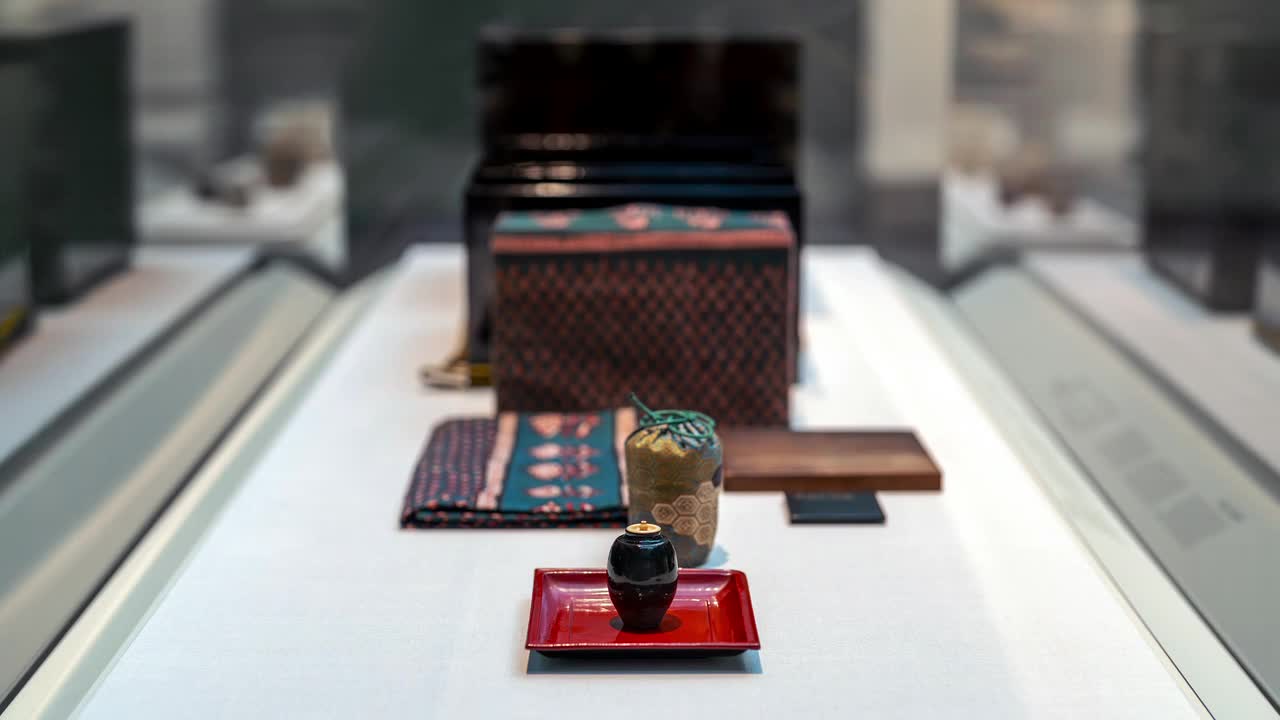
One of the most striking aspects of this tea practice is the elaborate way these objects are preserved. The tea caddy is housed in "layers of boxes" and "layers of pouches," which serve as protective barriers. However, these accessories are more than mere storage; they are historical records. As the caddy passed through the hands of various collectors, each owner added their own "personal taste" and "inscriptions" to the packaging. This "assemblage" documents the object's provenance, effectively preserving its "lineage" and reinforcing its "historic and cultural significance." By meticulously documenting the object, tea practitioners distinguish its value and demonstrate the profound care given to these antiques, which have been utilized in Japan since at least the 15th century.
The Aesthetics of Imperfection
Japanese tea practitioners developed a sophisticated eye for the nuances of Chinese ceramics. The caddy features a "subtle indentation" at its midsection, over which a "thick, almost drop of glaze" flows. This drip creates a sensation that the object is "liquid and not finished," a quality that deeply resonated with practitioners. Historical "tea diaries" kept by merchant tea practitioners as far back as the 16th century reveal a fixation on such details, including the "color of the glaze." These specific physical traits came to define the core aesthetics of tea ceramics, where the beauty of the object is found in its tactile and visual imperfections.
A Cosmopolitan Transformation
Perhaps the most compelling aspect of chanoyu is the way it reimagined the utility of foreign objects. Elites in Japan took a Chinese practice of preparing tea and elevated it by incorporating Chinese ceramics that were not originally intended for tea use in their home country. This "transformation" of meaning is a hallmark of the practice. Over time, this cosmopolitan approach expanded to include a diverse array of global materials: "block printed Indian textiles," "Chinese silks" for pouches, and "Korean ceramics" and "wooden Korean boxes."
Ultimately, the tea caddy stands as a testament to a broader cultural philosophy. By curating an "assemblage of different cultures," Japanese tea practitioners created a ritual space that transcends borders. The practice of chanoyu is not merely about the consumption of tea; it is a sophisticated, evolving dialogue between history, international craftsmanship, and the refined aesthetic sensibilities of those who gather to share in its grace.

Deep Learning with ListenLeap


