
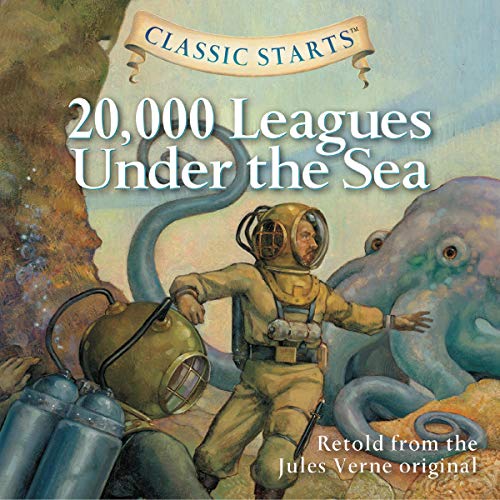
[The Nautilus Hunt: A Clash of Ideologies and Steel]-[20,000 Leagues Under the Sea - Part 17]
📋 Summary
The Sedentary Struggle of Ned Land
As the narrative unfolds in Chapter 16, "The Hunt," the protagonist observes a palpable decline in the spirit of his companion, Ned Land. Trapped aboard the Nautilus with no progress on their escape plan, Ned suffers from a profound lack of stimulation. The narrator notes that "very little interested him," highlighting the psychological toll of their confinement. Ned, a man defined by his active, predatory nature as a whaler, finds himself alienated from the intellectual pursuits of the captain and the narrator, leaving him in a state of restless melancholy.
The Moral Dilemma of the Hunt
The monotony is shattered when the Nautilus encounters a "troop of whales." For Ned, this is a moment of visceral excitement, a chance to reconnect with his past. He begs Captain Nemo for permission to chase them, exclaiming, "It would remind me so much of my days of harpooning." However, the captain dismisses the request with a stern moral lecture, questioning, "Just to destroy them?" Nemo posits that killing whales for oil or sport is "killing for killing's sake," and emphasizes the importance of protecting "endangered animals of the world." This interaction exposes a deep rift between Ned’s pragmatic, traditional view of man as a hunter and Nemo’s philosophical, preservationist stance.
The Mechanical Slaughter
The tension shifts when the captain identifies a group of "cachalots," describing them as "terrible animals" and "mean and cruel beasts." Seizing this opportunity to align his interests with the vessel's capabilities, Nemo decides to engage. The battle that ensues is not one of traditional skill but of overwhelming technological force. The Nautilus functions as a "steel spear," systematically destroying the cachalots. The narrator describes the scene from the saloon window, watching as the ship's "steel blade" wipes out the animals. Despite the victory, the experience leaves Ned unsatisfied. He scoffs at the event, remarking, "This was more like a butcher using his knife," and reaffirms his preference for his "harpoon."
A Growing Chasm of Resentment
The aftermath of the hunt marks a turning point in the relationship between the captives and their captor. The narrator observes a "new sense of hate" in Ned toward the captain. The hunt, intended perhaps as a distraction or a display of power, instead solidifies Ned’s resentment. The narrator recognizes the volatility of the situation, noting that he makes it his "job to keep my friend under control." Ultimately, the chapter illustrates that while the Nautilus can dominate the ocean’s creatures, it cannot bridge the widening ideological gap between the civilized, cold-blooded machine of Captain Nemo and the raw, instinctual spirit of Ned Land.
Deep Learning with ListenLeap


