
[A Subaquatic Expedition: Exploring the Depths of the Crespo Forest]-[20,000 Leagues Under the Sea - Part 08]
📋 Summary
An Unforgettable Subaquatic Expedition
In this chapter of the narrative, the protagonist recounts a remarkable journey beneath the waves, stepping outside the Nautilus to explore the ocean floor. This expedition serves as a pivotal moment of discovery, revealing both the breathtaking beauty and the underlying perils of the deep-sea environment.
Preparing for the Descent
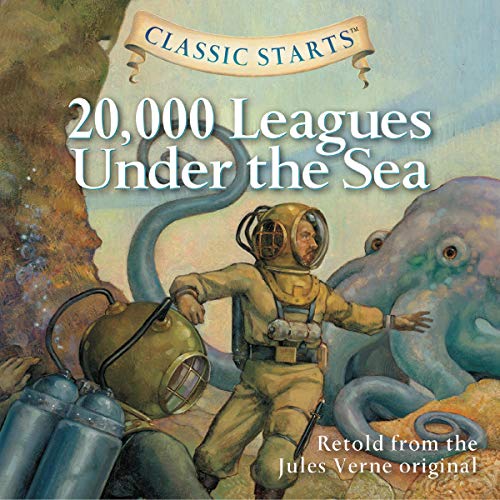
The preparation for this excursion was rigorous. The team, consisting of Captain Nemo, two crew members, Conceal, and the narrator, donned heavy rubber suits equipped with thick boots, gloves, and helmets featuring glass-protected viewports. Ned, conversely, chose to remain behind, feeling uneasy about the mystery surrounding the Nautilus. The technological marvel of the suits allowed the explorers to breathe underwater, while specialized guns provided a means of defense, setting the stage for their departure into the darkness of the sea.
The Wonders of the Sea Floor
Once the transition through the Nautilus airlocks was complete, the narrator was struck by the sensation of weightlessness. Despite the heavy gear, the experience was described as a "feast for the eyes." The clarity of the water allowed them to observe objects over a hundred and fifty yards away, revealing a vibrant world filled with "flowers, bits of rock, plants, shells, and sea life." As they progressed, the terrain shifted from sand to "slimy mud" and eventually into a carpet of seaweed, offering a continuous stream of biological wonders that captivated the narrator’s scientific curiosity.
The Forest of Crespo
The expedition reached a significant landmark: the forest of the island of Crespo. This environment was striking for its order; the "large tree plants" stood tall and straight, appearing untouched by the currents. The explorers spent hours navigating this underwater woodland. Even during periods of rest, the environment remained unpredictable. The narrator’s nap was interrupted by a "huge sea spider with squinting eyes," which Captain Nemo promptly dispatched with his underwater gun. This incident served as a stark reminder that while the submarine world is undeniably beautiful, it remains a "very dangerous place."
Navigating Darkness and Danger
As the group ventured deeper into the forest, the light faded, forcing them to rely on their "electric lamps." The atmosphere grew tense; the narrator noted a feeling of being watched by unseen creatures lurking in the shadows. The journey reached its peak when they encountered a "wall of rocks," marking the borders of the island of Crespo.
On the return journey, the dangers became more visceral. Captain Nemo demonstrated his hunting prowess by killing a five-foot-long "sea otter" near the surface. However, the most harrowing moment occurred when the group was forced to lie flat on the seabed to avoid a pair of "Tentorias"—sharks described as "terrible creatures that could crush a whole man in their jaws." Fortunately, the sharks’ poor vision allowed the party to escape undetected.
Conclusion
Reflecting on the journey, the narrator expresses profound relief upon returning to the Nautilus. The depletion of their air supply and the physical exhaustion from the trek left him longing for the safety of his cabin. This expedition not only provided a rare glimpse into the mysterious ecosystems of the ocean but also underscored the constant interplay between the awe-inspiring majesty of nature and the lethal threats inherent in the deep.

Deep Learning with ListenLeap


