
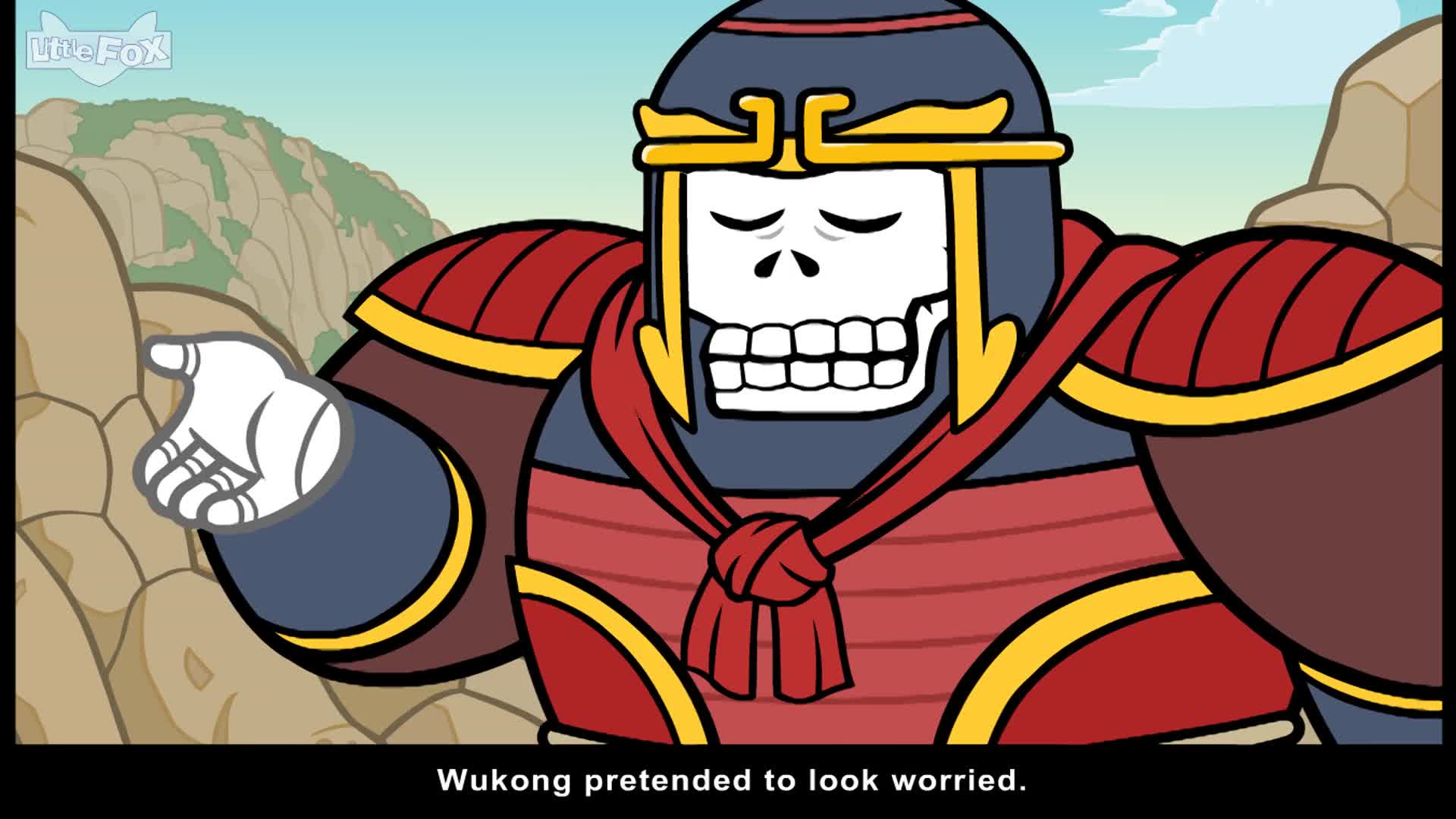
[Strategic Deception: Sun Wukong’s Psychological Warfare Against the Demon Army]-[091 The Demon Officers]
📋 Summary
Strategic Deception: Sun Wukong’s Psychological Warfare Against the Demon Army
In the latest chapter of To the West, the legendary trickster Sun Wukong demonstrates that his most potent weapon is not his "magic iron bar," but his cunning intellect. By weaving a web of misinformation, Wukong manages to dismantle an entire enemy force without striking a single blow. This summary explores the tactical brilliance displayed during his infiltration of the demon stronghold.
The Art of Disinformation
Maintaining his disguise, Wukong approaches the Demon General, posing as an informant. He masterfully manipulates the hierarchy of the demon camp by playing on their existing fears. When describing his own persona to the demons, he paints a terrifying picture: a monkey with "fiery red eyes and sharp fangs" who considers "destroying demons is good exercise." By suggesting that Wukong intends to "crush one demon at a time" rather than destroying the army in one swift strike, he shifts the threat from a general military concern to a personal, existential fear for every individual demon officer. This psychological pressure causes the demons' faces to "go pale," effectively breaking their morale.
Exploiting Internal Discord
Beyond fear, Wukong exploits the greed and lack of trust within the demon ranks. He invents a narrative that their "three leaders" intend to keep the Tang Monk for themselves, refusing to "share the Tang Monk with us." This creates immediate friction between the rank-and-file officers and their superiors. The "colonel" and the "captain" react with indignation, declaring the situation "not fair" and "terrible." Wukong’s lie is so effective that the General decides to abandon their post, leading the entire "demon army marching away in the valley below." Wukong’s success here proves that a divided force is easily defeated by the mere suggestion of betrayal.
The Unraveling of the Demon Leaders
Having successfully neutralized the infantry, Wukong infiltrates the inner sanctum to confront the three leaders: a lion, an elephant, and a raptor. When he informs them that the troops have fled, the internal power structure begins to collapse. The elephant correctly identifies the danger, noting that "Sun Wukong is powerful" and that "we should leave the Tang monk alone."
However, the pride of the lion leads to a breakdown in communication. The ensuing argument—where the lion and elephant trade insults like "Don't call me crazy" and "Don't shout at me"—highlights the arrogance that often precedes a downfall. This chaotic environment serves as the perfect backdrop for Wukong’s final move.
The Climax of the Deception
Ultimately, Wukong’s laughter betrays his presence. As his disguise fades, the realization that he is standing alone against three powerful entities marks a shift from tactical evasion to direct confrontation. The narrative serves as a profound lesson in the limitations of deception: while Wukong was able to manipulate the "powerful army" and sow discord among the leaders, the physical reality of the three demon kings remains a threat that cannot be out-talked. The "Uh-oh" moment signifies the transition from a battle of wits to a battle of raw power, setting the stage for an inevitable, high-stakes showdown.
Deep Learning with ListenLeap


