
[The Lazy Pig and the Demon's Trap: A Lesson in Vigilance]-[038 Bajie Tries to Sleep]
📋 Summary
The Trials of Bajie: Laziness, Deception, and Impending Danger
The Reluctant Scout
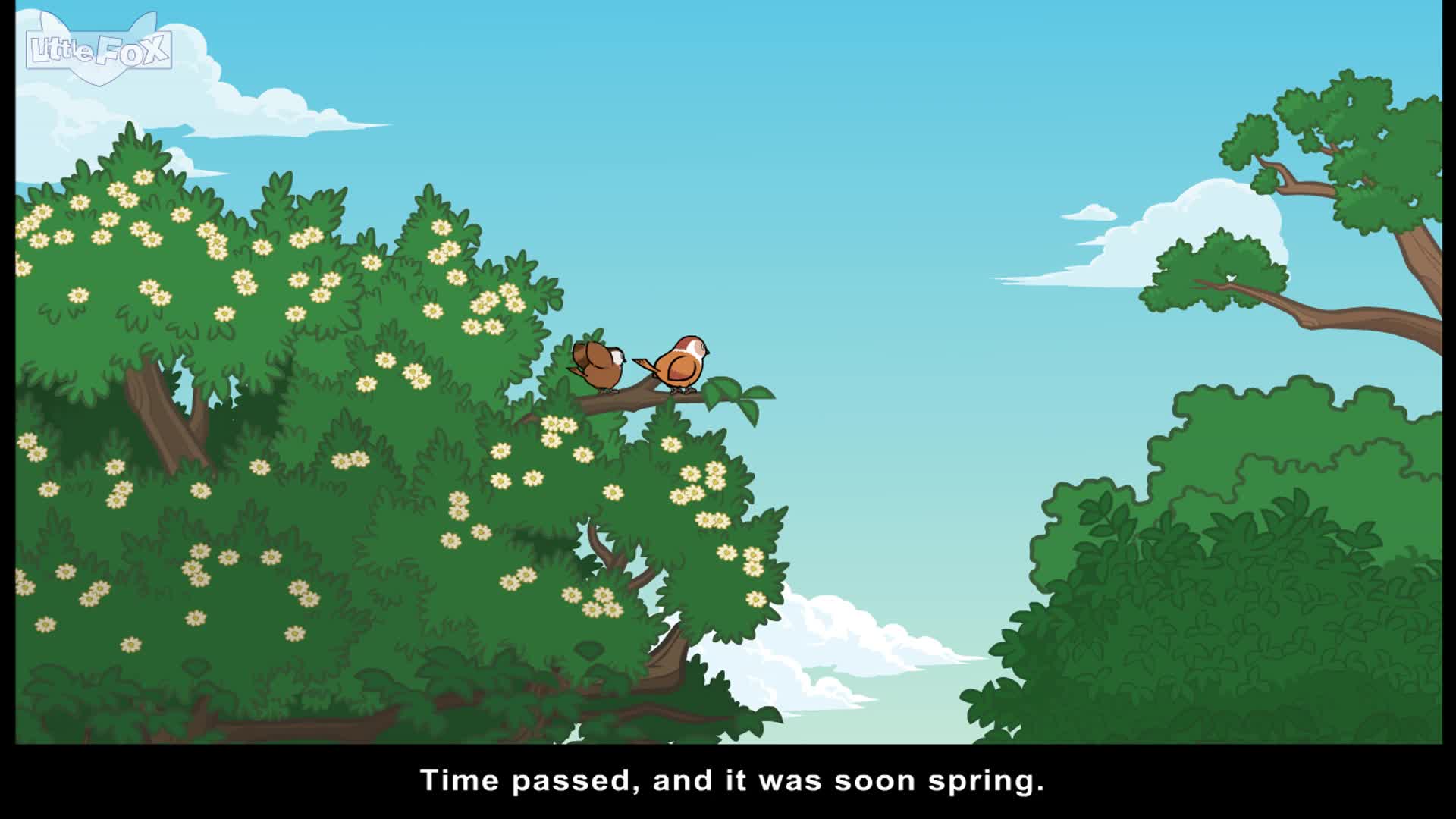
As the journey toward the Western Paradise progresses into spring, the group encounters a mountain that necessitates caution. Wukong, ever the protector of the Tang Monk, directs Bajie to "search the mountain" for potential threats. Bajie, embodying his characteristic sloth, complains that his companions "make me do all the hard work." His reluctance to fulfill his duties is immediate, as he plans to deceive the group by pretending to scout the terrain while actually indulging in a nap.
Wukong’s Lesson in Discipline
Upon discovering Bajie’s attempt to shirk his responsibilities, Wukong decides to intervene. Choosing the form of a "woodpecker," Wukong subjects the sleeping pig to a persistent "tap, tap, tap" on both a log and eventually on Bajie’s own head. This playful yet firm intervention forces the pig to wake up. When confronted, Bajie attempts to lie, claiming the mountain is "safe." Wukong’s exposure of the truth—revealing that he was the woodpecker—leaves Bajie embarrassed and forced by the Tang Monk to return to his duty.
Paranoia and the Encounter with Golden Horn
Back on the mountain, Bajie’s mindset shifts from laziness to paranoia. Haunted by the belief that Wukong is stalking him, he lashes out at every creature he encounters. Whether it is a "fox" or a "robin," Bajie swings his "rake" wildly, convinced that Wukong is playing tricks on him. He shouts, "Get away from me, Wukong," even as he trips and falls in his agitation. This state of frantic suspicion renders him vulnerable and distracted.
The Looming Threat
Bajie's aimless wandering eventually leads him to a "cave," where he finally encounters a genuine threat: a demon named "Golden Horn." Unlike the imaginary torments of Wukong, this encounter is grave. When Bajie introduces himself as a traveler with the "Tang Monk," the demon’s reaction is chilling. A "smile curled along the demon's lips" as he reveals his predatory intent: "I have heard that anyone who eats the Tang Monk will live forever."
Conclusion
This chapter serves as a stark reminder of the dangers inherent in the group's mission. Bajie’s initial laziness and subsequent paranoia serve to highlight the contrast between Wukong’s protective vigilance and the genuine, life-threatening malice posed by the demons of the mountain. The narrative shifts abruptly from a comedic lesson in discipline to a high-stakes encounter, setting the stage for the challenges that lie ahead on the path to the Western Paradise.

Deep Learning with ListenLeap


