
[The Deceptive Transformation: A Treacherous Plot in the Precious Image Kingdom]-[035 A Visit to the King]
📋 Summary
The Deceptive Transformation: A Treacherous Plot in the Precious Image Kingdom
The Monster’s Calculating Gambit
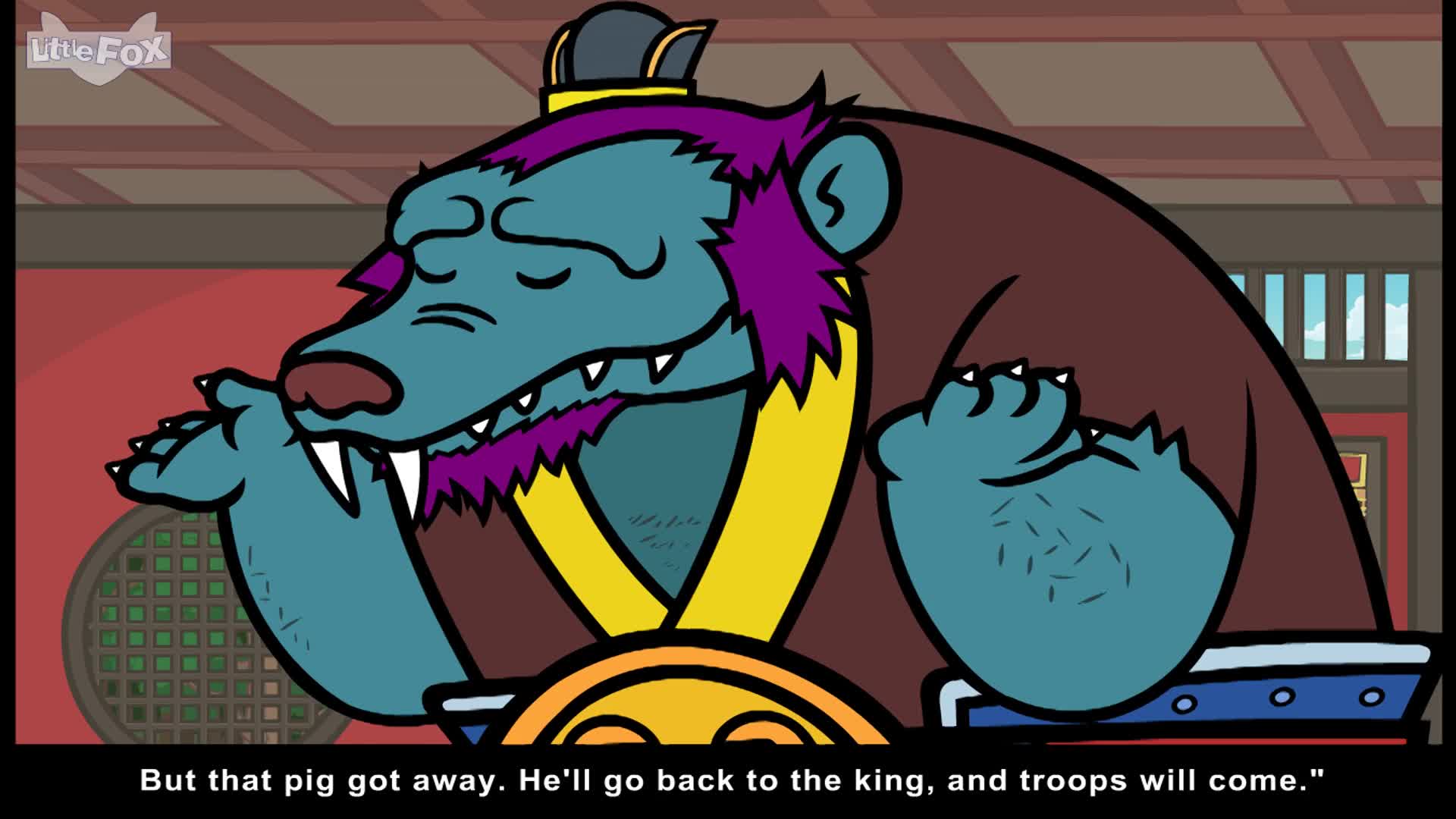
The narrative begins with the monster, who holds Princess Hundredflowers captive, grappling with his conflicting emotions. Despite his frustration regarding the escape of the "pig" (Bajie), he admits, "I can't be angry with her. I love her too much." This emotional attachment serves as the catalyst for his manipulative plan. Rather than continuing a violent standoff, the monster decides to infiltrate the Precious Image Kingdom directly. He utilizes a "disguise" and a "quick spell" to shed his monstrous appearance, transforming into a "handsome young man" to deceive the royal court.
The Manipulation of the King
Upon arriving at the palace, the monster presents a fabricated history to the King. He claims to be the "son-in-law" who saved the Princess from a tiger thirteen years prior. By weaving a narrative of heroism, he gains the King's trust, effectively positioning himself as a benevolent protector rather than a kidnapper. The monster’s cunning is fully realized when he turns his attention to the Tang Monk, accusing him of being the vengeful "tiger spirit" that has "disguises itself as a monk." This masterstroke of gaslighting uses the monster’s own magical abilities to frame the innocent Tang Monk. By reciting a spell and causing "light sparkled," he forces a visual transformation, successfully convincing the court that the monk is a beast. Consequently, the Tang Monk is "locked up in a cage," effectively neutralizing the group's leadership.
The Despair of Bajie and the Wisdom of the Horse
In the aftermath of these events, Bajie falls into a state of deep despondency. Having already lost Wu Jing to capture and now witnessing his Master transformed into a tiger, Bajie concludes, "The journey is over. Let's just go home." His hopelessness highlights the psychological toll of the monster's deception. However, the Tang Monk’s horse provides a crucial turning point. Breaking its silence, the horse discerns the truth: "The young man is probably just the monster in disguise." The horse’s rational deduction serves as a necessary intervention against Bajie’s defeatism.
A Call for Intervention
The horse’s directive to Bajie—"You must find Wukong"—shifts the focus of the narrative from helpless resignation to a potential resolution. Despite Bajie’s skepticism and belief that Wukong "won't help us," the necessity of the situation is clear. The monster has successfully infiltrated the highest levels of human authority, turning the King against his own guests through elaborate magical trickery. The summary of this chapter illustrates a classic Journey to the West motif: the triumph of cunning over virtue, which can only be dismantled by the intervention of the Monkey King, whose superior insight is required to pierce through the "disguise" that has fooled both the King and the weary Bajie.

Deep Learning with ListenLeap


