
[The Transformation of the Dragon and the Temptation of the Sacred Robe]-[018 The Robe]
📋 Summary
The Divine Intervention and the Dragon's Transformation
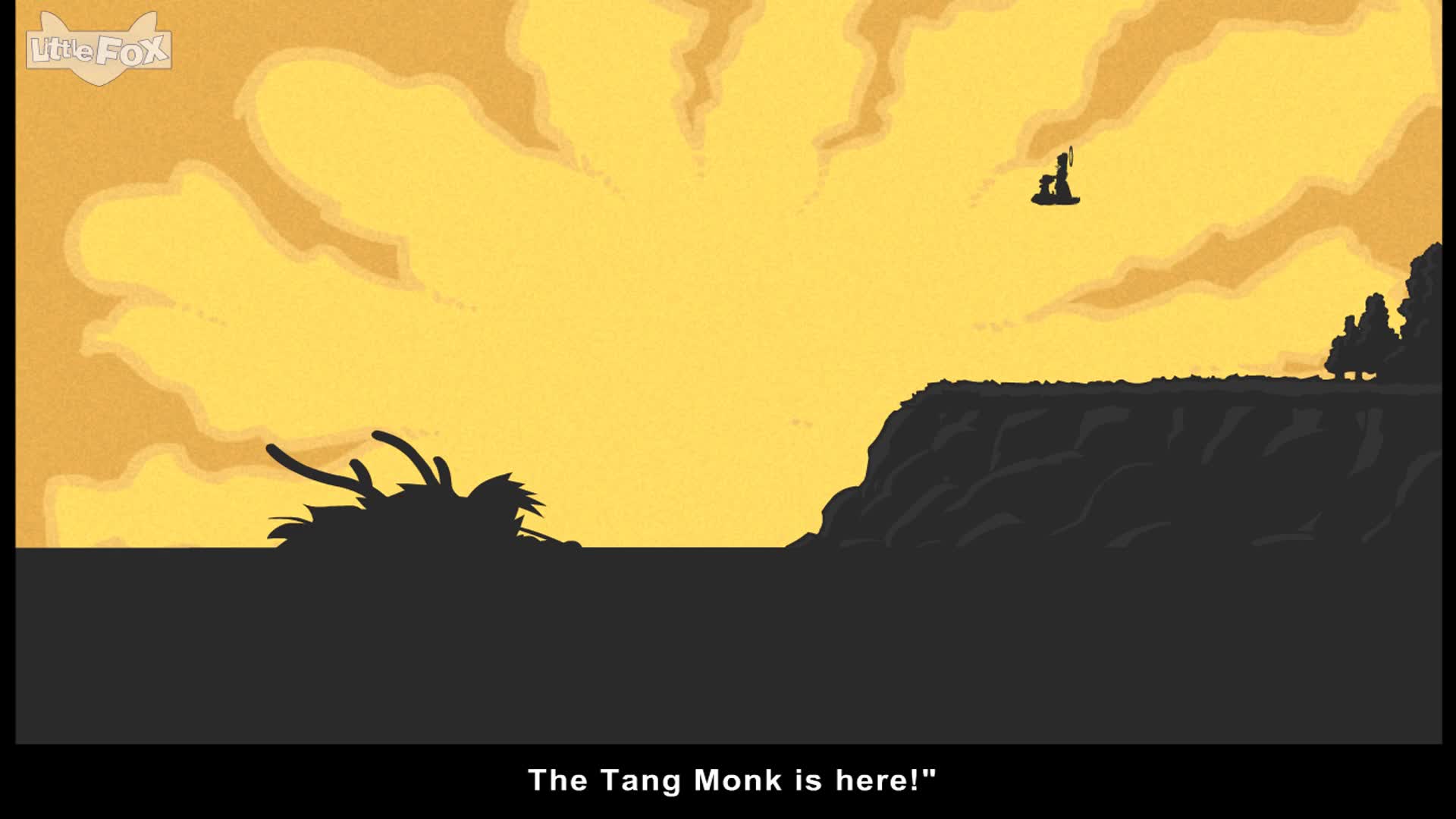
The narrative begins with a pivotal moment of divine intervention as Guanyin, the Bodhisattva, reunites Sun Wukong with the dragon residing in the wide river. Upon Guanyin’s command, the dragon emerges, initially defensive and dismissive of the "nasty monkey" he had previously encountered. However, upon realizing the presence of Guanyin and the Tang monk, the dragon’s demeanor shifts to one of deference. Guanyin sternly reprimands Wukong for his lack of transparency, instructing him, "From now on, you must tell people who you are," emphasizing the importance of identity in their sacred mission.
Guanyin then bestows a new purpose upon the dragon, decreeing, "You will carry the Tang monk to the western paradise." Through a display of "sparkling light," the dragon is transformed into a horse, perfectly suited to replace the Tang monk’s lost steed. This transformation serves as a foundational moment in the journey, where the dragon transitions from a river-dwelling entity to a loyal companion, physically manifesting the spiritual commitment required for the pilgrimage.
The Mysterious Crossing and the River Spirit
Following Guanyin's departure, the duo encounters a mysterious boatman who offers them passage across the river. The crossing is marked by a profound silence from the boatman, who ferries the monk, Wukong, and the newly transformed horse to the other side. The supernatural nature of this encounter is revealed when the Tang monk attempts to express his gratitude; he turns to find that "the boat was gone." Wukong clarifies the enigma, noting, "He was the river's spirit." This interaction underscores the theme that the journey to the Western Paradise is not merely a physical trek but a spiritual passage facilitated by unseen forces and divine spirits.
The Monastery and the Seed of Greed
As the Tang monk and Wukong continue their journey across "hills and across plains," the monk inquires about the duration of their quest. Wukong’s response, "A long, long time, we've barely started our journey," highlights the arduous nature of their undertaking. Seeking respite, they arrive at a Buddhist monastery, where they are welcomed by the priests.
The atmosphere of hospitality, however, quickly shifts toward tension when the head priest learns of the Tang monk’s mission to retrieve "the true scriptures." Upon discovering that the monk possesses a "Buddhist treasure"—a sacred robe—the priest’s greed is ignited. The text notes that the priest's "eyes sparkled" at the sight of the robe. Despite the Tang monk’s initial hesitation, he yields to the priest’s request to borrow it for the night. The episode concludes on a sinister note, as the priest, entranced by the beauty of the garment, declares, "I can't return this robe. I must have it!" This moment serves as a critical turning point, shifting the narrative focus from the divine guidance of Guanyin to the internal struggle of human greed, testing the integrity of the pilgrims as they navigate a world filled with both spiritual allies and mortal temptations.
Deep Learning with ListenLeap


